
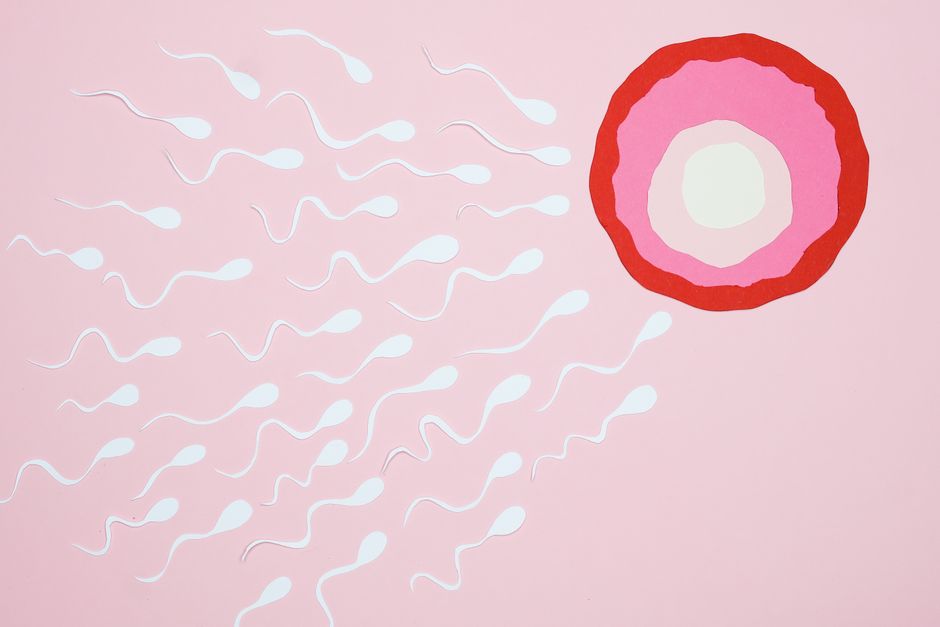
Ovulation happens when a mature egg is released from the ovary. For most people, the best way to confirm it has happened is a combination of timing, physical signs, and testing. A positive ovulation test detects the hormone surge that happens 24 to 36 hours before release, while a sustained rise in basal body temperature confirms it has already occurred. No single sign is perfect, so combining methods gives the most reliable picture.
What Happens in the Body During Ovulation?
Each menstrual cycle involves a series of hormonal steps. In the first half, estrogen rises and thickens the uterine lining. Around mid-cycle, a sharp increase in luteinizing hormone (LH) triggers the ovary to release an egg. This is the LH surge.
The egg survives for about 12 to 24 hours after release. If sperm is present in the fallopian tube during that window, fertilization can occur. Sperm can live for up to five days, which is why the fertile window includes the days before ovulation, not just the day itself.
After the egg is released, the empty follicle transforms into the corpus luteum. This structure produces progesterone, which prepares the uterine lining for a possible pregnancy. If pregnancy does not occur, progesterone levels drop and menstruation begins about two weeks later.
What Are the Physical Signs That Ovulation Has Occurred?
Physical signs can help you track ovulation, but they require attention and consistency. The most reliable physical signs are cervical mucus changes and basal body temperature.
Cervical mucus shifts in response to estrogen. In the days before ovulation, mucus becomes clear, stretchy, and slippery — similar to raw egg whites. This consistency helps sperm travel. After ovulation, progesterone causes mucus to become thick, cloudy, and sticky again. Noticing this change tells you ovulation likely happened, but it is a retrospective sign.
Basal body temperature (BBT) is your temperature at complete rest, measured first thing in the morning. After ovulation, progesterone raises BBT by about 0.5 to 1 degree Fahrenheit. A sustained temperature rise for three or more days confirms ovulation has occurred. The rise happens after the egg is released, so it cannot predict ovulation — it only confirms it in hindsight.
Other possible signs include mild cramping on one side of the lower abdomen, often called mittelschmerz. Some people notice breast tenderness, bloating, or a heightened sense of smell in the days after ovulation. These symptoms come from progesterone and are not specific enough to confirm ovulation on their own.
How Do Ovulation Test Kits Work?
Ovulation predictor kits (OPKs) measure LH in urine. LH surges sharply about 24 to 36 hours before the egg is released. A positive test means the surge has started, so ovulation is likely to happen within the next day or two.
OPKs are most accurate when used consistently. Testing once daily in the late morning or early afternoon is typical, though some people test twice daily to catch a short surge. Follow the instructions on the specific brand you use. Some digital tests read the result for you, while traditional strip tests require you to compare line intensity.
An important limitation: a positive OPK does not guarantee ovulation. Some people have an LH surge without releasing an egg, a condition called luteinized unruptured follicle syndrome. This is uncommon but possible. Also, OPKs do not work well for people with polycystic ovary syndrome (PCOS) because LH levels can be chronically elevated, producing false positives.
OPKs tell you ovulation is approaching, not that it has happened. To confirm release, you need a method that detects the aftermath, such as temperature tracking or a progesterone test.





Can a Blood Test Confirm Ovulation?
Yes. A blood test measuring progesterone is the most reliable way to confirm ovulation. Progesterone rises after ovulation and peaks about seven days later, during the mid-luteal phase. A blood test taken at that time can confirm ovulation occurred.
This test is typically ordered by a doctor when there is a medical reason to confirm ovulation, such as fertility evaluation or monitoring during treatment. Home urine tests for progesterone metabolites exist, but they are less established and less accurate than blood testing.
Some wearable devices track physiological data like skin temperature, heart rate, and breathing rate to estimate ovulation. These devices can be useful, but their accuracy varies by brand and individual. They are not a replacement for clinical testing if you need confirmed answers.
How To Know If Ovulation Has Occurred Signs Tests Combined Approach
No single method is perfect. Combining methods gives you the clearest picture. Here is a practical sequence:
- Track cervical mucus daily to identify the fertile window approaching.
- Use OPKs once or twice daily starting a few days before you expect to ovulate.
- Measure basal body temperature every morning at the same time.
- Notice physical signs like cramping or breast tenderness, but do not rely on them alone.
When you see fertile mucus and a positive OPK, ovulation is likely within 24 to 48 hours. A sustained temperature rise three days later confirms it happened. This combination of prediction and confirmation is the most reliable home-based approach.
If your cycles are irregular, timing becomes harder. OPKs still work, but you may need to test more days per cycle. Temperature tracking helps identify whether and when ovulation occurs, even in irregular cycles.
What Are the Limits of Home Ovulation Tracking?
Home tracking methods have real limitations. They require daily consistency and can be affected by illness, stress, travel, or poor sleep. Fever will falsely elevate basal body temperature. Certain medications, including some hormonal treatments, interfere with OPK results.
Age also matters. Fertility declines with age, especially after 35. Tracking ovulation tells you when release happens, but it cannot tell you whether the egg is healthy or whether fertilization will succeed.
For people trying to conceive, knowing your fertile window is helpful, but it does not guarantee pregnancy. Most healthy couples conceive within one year of trying. If you are under 35 and have been trying for 12 months without success, or over 35 and trying for 6 months, it is reasonable to see a doctor for evaluation.
When Should You See a Doctor About Ovulation?
See a doctor if your cycles are consistently longer than 35 days or shorter than 21 days. Also seek evaluation if you have no periods at all, or if you have severe pelvic pain that is not mild cramping.
If you are tracking ovulation and never see a temperature rise or a positive OPK over several cycles, that is worth discussing with a clinician. It may indicate anovulation, meaning ovulation is not occurring. This is treatable in many cases.
People with conditions like PCOS, thyroid disease, or premature ovarian insufficiency may have irregular or absent ovulation. A doctor can run blood tests and ultrasound to evaluate what is happening.
Frequently Asked Questions
How many days after a positive ovulation test do you ovulate?
Ovulation typically happens 24 to 36 hours after the LH surge begins. The egg then survives for about 12 to 24 hours.
Can you ovulate without a positive ovulation test?
Yes. Some people have a short LH surge that is missed by testing, and some have anovulatory cycles where no egg is released. A negative test does not rule out ovulation completely.
Does a temperature rise always mean ovulation happened?
A sustained temperature rise for at least three days strongly indicates ovulation occurred. However, illness, poor sleep, or alcohol can affect temperature readings.
Which sign is most reliable for confirming ovulation?
A blood test for progesterone in the mid-luteal phase is the most reliable confirmation. At home, a sustained basal body temperature rise is the best retrospective sign.
