
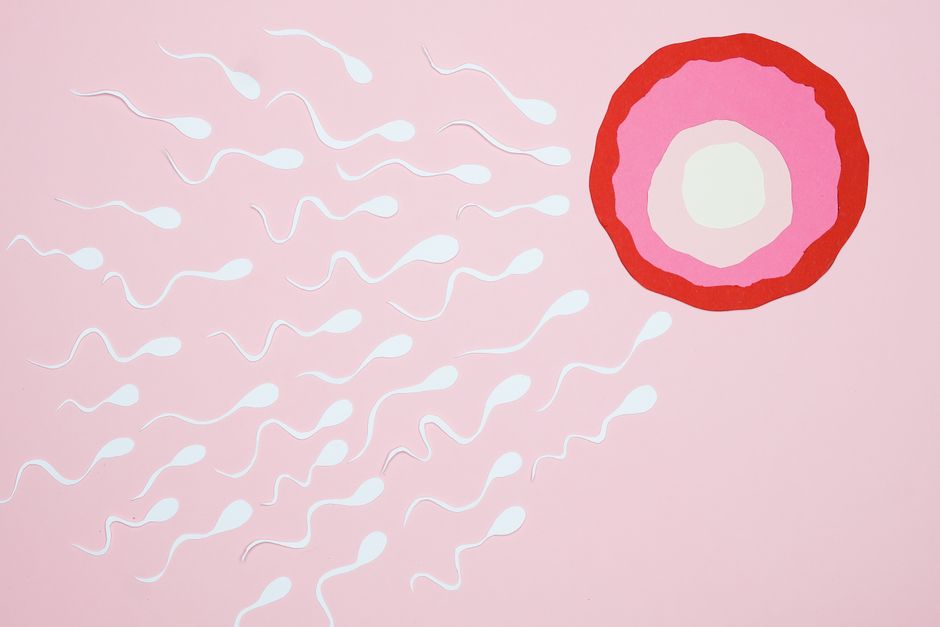
Ovulation is the release of an egg from an ovary, and it happens roughly once per cycle. For many women, it passes without any noticeable sensation. For others, the body sends clear signals. The most reliable signs are changes in cervical mucus, a slight rise in resting body temperature, and sometimes a brief twinge of pain on one side of the lower abdomen. These physical clues can help you identify your fertile window, whether you are trying to conceive or simply want to understand your cycle better.
What Exactly Happens in the Body During Ovulation?
Ovulation is part of the menstrual cycle, driven by hormones. Around day 14 of a typical 28-day cycle, a surge of luteinizing hormone (LH) triggers the release of a mature egg from a follicle in the ovary. The egg then travels down the fallopian tube, where it may meet sperm.
That egg is viable for about 12 to 24 hours. Sperm, however, can survive inside the reproductive tract for up to five days. This is why the fertile window spans roughly six days each cycle — the five days before ovulation plus the day of ovulation itself.
After the egg is released, the empty follicle transforms into the corpus luteum. This structure produces progesterone, a hormone that thickens the uterine lining to prepare for a possible pregnancy. If pregnancy does not occur, the corpus luteum breaks down, hormone levels drop, and menstruation begins.
What Are the Most Common Physical Signs of Ovulation?
Some women feel ovulation happening. Others rely on observable changes. Here are the signs that have the strongest evidence behind them.
Cervical mucus changes. This is one of the most reliable indicators. In the days before ovulation, estrogen rises and cervical mucus becomes clear, slippery, and stretchy — similar to raw egg whites. This consistency helps sperm travel. After ovulation, progesterone causes the mucus to become thick and sticky again.
Basal body temperature rise. Your resting temperature dips slightly just before ovulation, then rises about 0.5 to 1 degree Fahrenheit after ovulation due to progesterone. The rise confirms ovulation has already happened. It cannot predict it in advance.
Mittelschmerz. This is the German word for “middle pain.” Some women feel a sharp cramp or dull ache on one side of the lower abdomen around ovulation. It can last from a few minutes to a few hours. The pain is thought to come from the follicle stretching before release or from blood or fluid irritating the abdominal lining after the egg is released.
Breast tenderness. Hormonal shifts can make breasts feel full, heavy, or sensitive. This is more common after ovulation due to progesterone, but some women notice it around the time of release.
Light spotting. A small amount of pink or brown discharge can occur when the follicle ruptures. This is not common, but it is not dangerous when it happens.
Increased libido. Some research suggests sex drive peaks around ovulation. This is likely an evolutionary adaptation, but it is not a reliable standalone sign.
How Does Ovulation Make You Feel Signs To Know?
The experience of ovulation varies widely. One woman may feel a clear twinge every month. Another may never notice anything. Both are normal.
If you are trying to detect ovulation, combine signs rather than relying on one. Track cervical mucus daily, take your temperature at the same time each morning before getting out of bed, and note any pain. Over two or three cycles, a pattern usually emerges.
Ovulation predictor kits are another option. These test urine for the LH surge that happens 24 to 36 hours before the egg is released. They are highly accurate at detecting the surge, though they do not confirm that ovulation actually occurred afterward. A temperature rise can confirm it retroactively.
Fertility tracking apps use algorithms based on cycle history. They can be helpful for planning, but they are not diagnostic. Cycles vary, and apps cannot see your body’s signals.





Can You Ovulate Without Feeling Any Symptoms?
Yes. Many women ovulate every cycle and never feel a thing. The absence of symptoms does not mean ovulation is not happening.
Conversely, feeling pain or noticing mucus changes does not guarantee ovulation occurred. Some cycles are anovulatory, meaning no egg is released, even if the body produces some signs. This happens occasionally for most women and more frequently as menopause approaches.
If you have been tracking for several months and see no clear pattern, or if your cycles are irregular, talk to a healthcare provider. Irregular cycles can indicate hormonal conditions such as polycystic ovary syndrome (PCOS), which affects ovulation frequency.
When Should You See a Doctor About Ovulation Symptoms?
Most ovulation-related symptoms are normal and require no medical attention. But some situations warrant a checkup.
See a doctor if you experience:
- Severe pain during ovulation that interferes with daily activities
- Pain that lasts more than a few days
- Heavy bleeding or spotting that is not light and brief
- Cycles shorter than 21 days or longer than 35 days
- No period for three months or more
- Difficulty conceiving after 12 months of regular unprotected sex (or 6 months if you are over 35)
Severe pelvic pain can also be a sign of conditions unrelated to ovulation, such as ovarian cysts, endometriosis, or pelvic inflammatory disease. If pain is sudden and sharp, especially with fever or nausea, seek medical care promptly.
What Are the Less Reliable Signs of Ovulation?
Some signs are widely discussed online but have weak evidence behind them.
Mood changes. Hormonal fluctuations can affect mood, but the research is mixed on whether ovulation specifically causes a distinct emotional shift. Some women report feeling more energetic or optimistic mid-cycle. Others notice irritability. These experiences are real but highly individual.
Bloating. Estrogen and progesterone changes can cause water retention, which may lead to mild bloating around ovulation. However, bloating is more commonly associated with the premenstrual phase. It is not a specific ovulation marker.
Changes in appetite or cravings. Some women report increased appetite around ovulation. The evidence for this is limited and inconsistent.
Heightened sense of smell. A few small studies have suggested that smell sensitivity increases near ovulation, but the findings are not robust enough to be clinically useful.
Treat these signs as interesting observations, not as reliable indicators.
How Accurate Are Ovulation Tracking Methods?
Accuracy depends on the method and how consistently you use it.
Cervical mucus tracking is quite reliable when done correctly. One study found that women who tracked mucus daily identified their fertile window with high accuracy. The key is checking every day and recording the consistency honestly.
Basal body temperature is also reliable for confirming ovulation after the fact. Its limitation is that it cannot warn you in advance. By the time your temperature rises, the fertile window is largely over.
Ovulation predictor kits are the most accurate home method for predicting ovulation. They detect the LH surge with over 90 percent accuracy when used as directed. However, they can give false positives in some conditions, such as PCOS, where LH levels may be chronically elevated.
No method is perfect. Combining two or more approaches gives the clearest picture.
Frequently Asked Questions
Can you feel ovulation happening?
Some women feel a brief cramp or twinge on one side of the lower abdomen, called mittelschmerz. Many others feel nothing at all, and both experiences are normal.
How long does ovulation pain last?
Ovulation pain typically lasts from a few minutes to a few hours. If it lasts more than a day or is severe, consult a healthcare provider.
What does ovulation discharge look like?
Around ovulation, cervical mucus becomes clear, slippery, and stretchy, similar to raw egg whites. This consistency helps sperm travel and is a reliable sign of the fertile window.
Can you ovulate without a period?
Yes, ovulation can occur without a period, especially in the early stages of perimenopause or with irregular cycles. However, regular periods usually indicate regular ovulation.
