
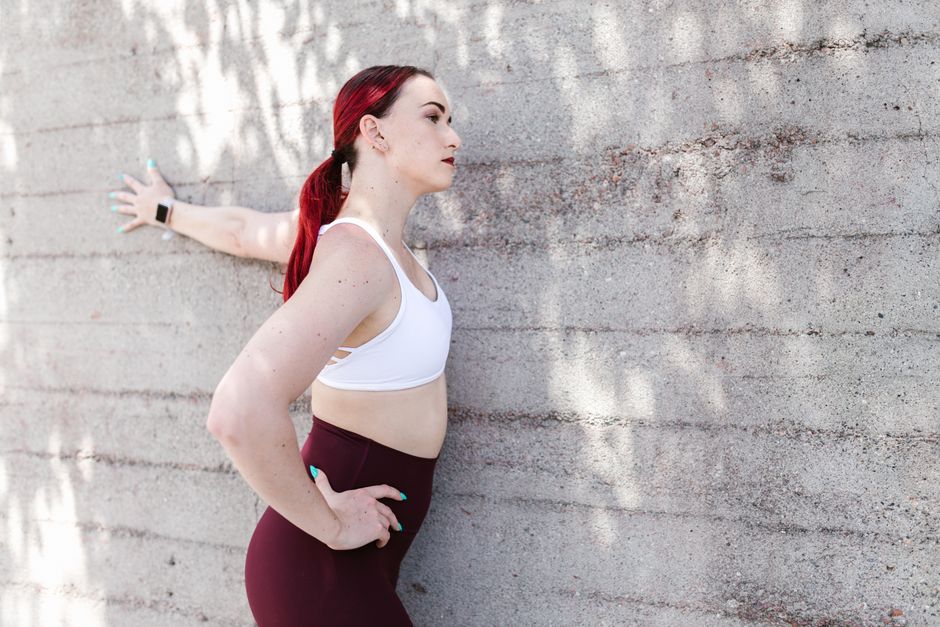
Many people finish a workout and simply walk away without eating. Sometimes it is because they are not hungry. Other times they are trying to lose weight by cutting calories. The short answer is that skipping food after a workout is not automatically bad, but it depends on your goals, the type of workout you did, and what you eat for the rest of the day. For most people, missing one post-workout snack will not cause harm. However, consistently skipping nutrition after intense training can slow recovery and undermine your progress.
What Happens to Your Body After a Workout?
Exercise places stress on your muscles. When you lift weights or run hard, you create tiny tears in muscle fibers. Your body responds by repairing these tears, which is how muscle gets stronger. This repair process requires energy and building blocks called amino acids.
During exercise, your body also uses up glycogen, which is stored glucose in your muscles and liver. Glycogen is your primary fuel source for moderate to high-intensity activity. After you finish, your body works to replace these stores. If you do not eat, this replenishment is delayed.
This does not mean your body shuts down without food. It will use stored fat and other resources to keep functioning. But the specific repair and refueling processes are less efficient when you delay eating.
Is It Bad To Not Eat Anything After A Workout?
For most healthy adults, skipping a post-workout meal occasionally is not harmful. Your body is resilient and can handle a missed snack without long-term consequences. The bigger issue is what happens regularly over weeks and months.
If you consistently train hard and then eat nothing for several hours, you may notice slower recovery. Muscle soreness may last longer. Your performance in the next workout may drop. Over time, you might lose muscle mass instead of building it, especially if your overall daily protein intake is low.
The type of workout matters. A short, easy walk or a light yoga session does not create a strong need for immediate food. A heavy leg day or a long endurance run does. The harder and longer you work, the more your body needs fuel afterward.
What Is the Anabolic Window and Does It Matter?
You may have heard about the anabolic window. This is the idea that you must eat within 30 to 60 minutes after exercise to maximize muscle growth. Some research suggests this window is real but much wider than once thought.
Studies indicate that muscle protein synthesis, the process of building new muscle, stays elevated for at least 24 hours after resistance training. This means you do not need to eat immediately. What matters more is your total protein intake across the entire day.
For most people, eating a balanced meal within two to three hours after exercise is sufficient. The urgent 30-minute rule mainly applies to athletes who train twice a day or compete in back-to-back events. For a typical gym-goer, the pressure to eat immediately is overstated.




What Should You Eat After a Workout?
When you do eat after exercise, focus on two things: protein and carbohydrates. Protein provides amino acids for muscle repair. Carbohydrates replenish glycogen stores.
Good protein sources include eggs, chicken, fish, Greek yogurt, cottage cheese, or plant options like tofu and beans. Good carbohydrate sources include fruit, rice, potatoes, oats, or whole-grain bread.
A simple guideline is to include both in your next meal. You do not need special shakes or supplements. Regular food works just as well for most people. A meal with 20 to 40 grams of protein is a reasonable target for muscle recovery, though individual needs vary based on body weight and training volume.
If you prefer to work out fasted, such as first thing in the morning, eating afterward becomes more important. Your glycogen stores are already lower after an overnight fast. Replenishing them helps your body recover and prepares you for your next session.
What If Your Goal Is Weight Loss?
Many people skip post-workout food because they want to lose weight. The logic seems simple: fewer calories eaten means more weight lost. But this approach can backfire.
If you train hard and eat very little afterward, you may feel exhausted later in the day. This can lead to overeating at your next meal or making poor food choices when hunger finally hits. Some research suggests that eating protein after exercise helps control appetite and reduces cravings.
Weight loss ultimately comes down to total calorie balance. Whether you eat immediately after a workout or a few hours later matters less than what you eat all day. Skipping a post-workout meal will not automatically help you lose weight if you eat those calories later anyway.
However, if your workout is light and your overall calorie intake is already appropriate, skipping the post-workout snack is fine. The problem only arises when you skip food and then consume excessive calories at night or fail to eat enough protein for recovery.
Who Should Be More Careful About Post-Workout Nutrition?
Certain groups have less room for error. If you fall into any of these categories, paying attention to post-workout food matters more.
- Athletes in training: People training for competitions, races, or sports have higher energy demands. Delayed eating can hurt performance in subsequent sessions.
- Older adults: Muscle loss becomes more concerning with age. Eating adequate protein after exercise helps preserve muscle mass.
- People trying to build muscle: If muscle gain is your primary goal, consistent protein intake throughout the day, including after workouts, is essential.
- People with diabetes: Exercise can lower blood sugar. Skipping food afterward may cause blood sugar to drop too low, especially if you take certain medications.
- Anyone doing very intense or long workouts: Sessions lasting over 90 minutes deplete glycogen significantly. Refueling becomes more important.
For everyone else, occasional skipped meals after exercise are not a crisis. Your body will adapt and recover, just possibly a bit more slowly.
What About Fasted Workouts?
Fasted exercise, meaning working out before eating, has become popular. Some people believe it enhances fat burning. There is some evidence that exercising in a fasted state increases fat oxidation during the workout itself. However, the long-term weight loss difference compared to fed exercise appears small.
If you exercise fasted, your post-workout meal becomes your first meal of the day. This meal is important because your body has gone many hours without fuel. Eating a balanced meal with protein and carbohydrates within a reasonable time after your workout supports recovery and prevents extreme hunger later.
Fasted workouts are not dangerous for most healthy people. But they are not a magic tool for weight loss either. The total calories you consume across the day still determine your results.
Signs You Are Not Eating Enough After Workouts
How do you know if skipping post-workout food is causing problems? Watch for these signs:
- Persistent fatigue that lasts for days
- Prolonged muscle soreness beyond 72 hours
- Feeling unusually weak or heavy during workouts
- Irritability or difficulty concentrating
- Poor sleep quality
- Frequent illness or slow healing of minor injuries
These symptoms can have other causes, including insufficient sleep or stress. But if they appear alongside a pattern of skipping meals after training, adjusting your nutrition is a reasonable first step.
If you regularly feel dizzy, lightheaded, or nauseous after workouts, that is a separate concern. These symptoms warrant attention from a healthcare provider, especially if they happen consistently.
Practical Guidelines for Post-Workout Eating
You do not need a complicated plan. Simple rules work best for most people.
If you are hungry after a workout, eat. Your body is giving you a clear signal. If you are not hungry, especially after a light session, waiting until your next regular meal is fine.
For hard workouts, aim to eat within two to three hours. Include protein and carbohydrates. This window is flexible and forgiving.
For easy workouts, such as a 20-minute walk or gentle stretching, no special post-workout nutrition is needed. Just eat your normal meals as usual.
Hydration also matters. Drink water before, during, and after exercise. Dehydration can mimic hunger and impair recovery. If you sweat heavily, consider a drink with electrolytes, though plain water is sufficient for most shorter sessions.
The evidence does not support the idea that you must consume a specific shake or supplement within minutes of finishing exercise. This is marketing, not science. Whole foods eaten at a normal meal time provide everything most people need.
Frequently Asked Questions
Is it okay to skip eating after a workout?
Yes, for most people, skipping a post-workout meal occasionally is fine. Consistently skipping food after intense training can slow recovery and reduce performance over time.
How long can I wait to eat after a workout?
Eating within two to three hours after a hard workout is a reasonable target for most people. The urgent 30-minute rule mainly applies to competitive athletes training multiple times per day.
Will I lose muscle if I do not eat after a workout?
Missing one post-workout meal will not cause muscle loss. However, regularly failing to eat enough protein across the day can lead to gradual muscle loss, especially if you train hard.
Is it better to eat before or after a workout?
Both matter, but the total amount of protein and calories you eat across the day is more important than timing. If you train fasted, your post-workout meal becomes more important because your body has gone longer without fuel.
