
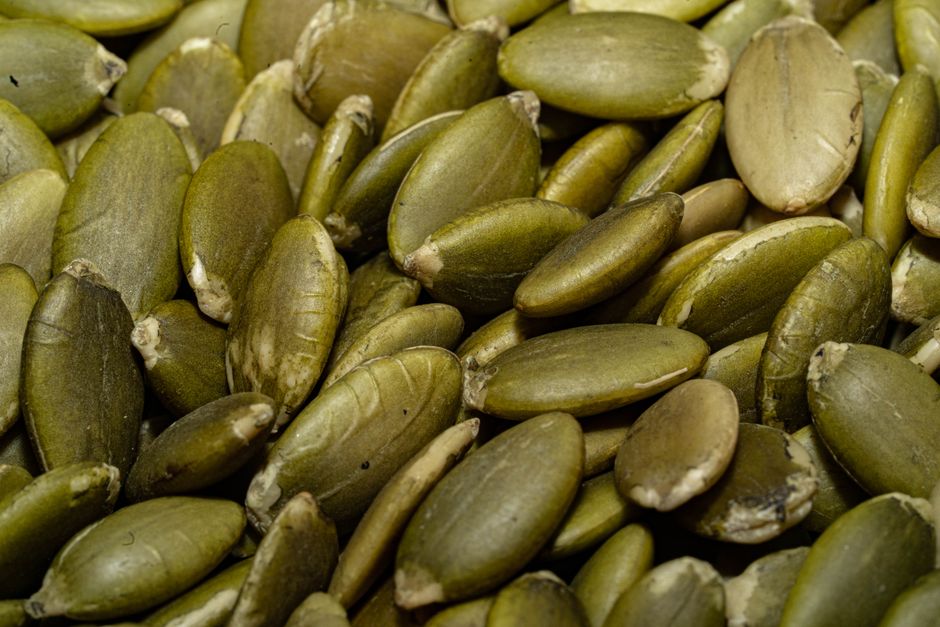
Yes, you can eat the pumpkin seed shell. The entire seed is edible, and the shell is safe to chew and swallow. Most people prefer the shelled version, but eating the whole seed gives you more fiber and a different texture. The real question is whether you should eat them, and that depends on your digestion and how you plan to use them.
What Is the Pumpkin Seed Shell Made Of?
The shell is a fibrous outer husk. It is tough and chewy, similar to a sunflower seed shell but thinner. The shell protects the inner seed, which is the part most people think of as the edible kernel.
Nutritionally, the shell contains most of the seed’s fiber. The inner seed holds the fat, protein, and minerals. When you eat the whole seed, you get both. When you eat only the inner seed, you miss the fiber but get a smoother texture.
Some research suggests the shell also contains antioxidants. But the amounts are small compared to the inner seed. The main benefit of eating the shell is fiber, not phytochemicals.
Do You Eat The Pumpkin Seed Shell or Remove It?
You can eat the shell. It is not toxic and it will pass through your digestive system. But it is not the best choice for everyone.
People with diverticulitis or other inflammatory bowel conditions often avoid seeds with shells. The tough fibers can irritate inflamed tissue. If you have digestive issues, choose shelled pumpkin seeds instead.
For most healthy adults, eating the shell is fine. Chewing thoroughly helps your body break it down. Swallowing large pieces of shell whole can cause discomfort, but that is rare with normal eating.
The bigger concern is texture and taste. The shell is dry and fibrous. It can be unpleasant on its own. That is why many recipes call for shelled seeds, also known as pepitas.
Nutritional Differences: Whole Seeds vs. Shelled Seeds
The shell changes the nutritional profile in one major way: fiber. A whole pumpkin seed has significantly more fiber than a shelled one. The inner seed is mostly protein and fat.
Here is a general breakdown of what changes when you eat the whole seed instead of just the kernel:
- Fiber: The shell adds roughly 2 grams of fiber per ounce compared to shelled seeds.
- Calories: Whole seeds and shelled seeds have similar calories per weight.
- Protein: The protein content stays about the same because the shell has little protein.
- Minerals: Magnesium, zinc, and iron are concentrated in the inner seed, not the shell.
If your goal is more fiber, eating the shell helps. If your goal is protein or minerals, the shell does not add much. You can get the same mineral content from shelled seeds.
One ounce of whole pumpkin seeds contains about 5 grams of protein. Shelled seeds contain about 7 grams per ounce. The difference is because the shell adds weight without much protein.


Are Roasted Pumpkin Seed Shells Safe to Eat?
Roasting does not change the safety of the shell. It changes the texture. Roasted shells become crisp and easier to chew. Many people find roasted whole seeds more enjoyable than raw ones.
Roasting can reduce some heat-sensitive nutrients, like certain B vitamins. But it does not destroy the minerals or the fiber. The protein remains intact.
Store-bought roasted pumpkin seeds are safe to eat whole. Check the label for added salt if you are watching sodium. Some brands add significant amounts of salt to the shells.
If you roast your own, keep the temperature moderate. High heat can burn the shell, which creates a bitter taste and may form unwanted compounds. Roasting at 300°F to 350°F for 15 to 20 minutes is a common range used in home kitchens.
How to Eat Pumpkin Seeds With the Shell
If you decide to eat the whole seed, the method matters. Chewing is the most important step. The shell is tough, and your body does not break it down easily if you swallow it whole.
Here are practical ways to eat whole pumpkin seeds:
- Snack on them raw: Eat a handful slowly and chew thoroughly.
- Roast them: Toss with a little oil and salt, then roast until crisp.
- Add to trail mix: Mix with nuts and dried fruit for texture.
- Blend into smoothies: Grinding them first helps release nutrients.
- Use as a topping: Sprinkle on salads or soups for crunch.
Grinding whole seeds in a blender or food processor makes them easier to digest. This is a good option if you want the fiber but find the shell texture unpleasant.
Who Should Avoid Eating the Shell?
Some groups should stick to shelled seeds. The shell is not dangerous, but it can cause problems in specific situations.
People with diverticulitis should avoid whole seeds. The small, hard pieces can get trapped in the pouches of the colon and cause inflammation. This is a standard clinical recommendation, though some recent research questions how big the risk really is. Until more evidence exists, the cautious approach is to avoid shells if you have a history of diverticulitis.
Older adults with swallowing difficulties should also avoid the shell. It is easy to choke on a dry, fibrous shell if you do not chew it well.
Young children may not chew the shell enough. Whole seeds can be a choking hazard for children under four. Shelled seeds are safer for this age group.
Do You Eat The Pumpkin Seed Shell for Health Benefits?
The shell adds fiber, and fiber is good for digestion and heart health. But the shell does not contain the most valuable nutrients in the pumpkin seed.
The inner seed is where you find magnesium, zinc, and plant compounds called phytosterols. These nutrients are linked to better heart health and lower inflammation. The shell has very little of these.
Some studies suggest pumpkin seeds can help with blood sugar control and prostate health. These benefits come from the inner seed, not the shell. Eating the shell does not hurt these benefits, but it does not add to them either.
If you are eating pumpkin seeds for their mineral content, you can choose shelled seeds and get the same benefit. If you are eating them for fiber, the whole seed is the better choice.
Common Myths About Pumpkin Seed Shells
There are several myths about pumpkin seed shells that need clarification.
Myth: The shell is toxic. This is false. The shell is safe to eat and contains no toxic compounds.
Myth: The shell causes appendicitis. There is no evidence that eating pumpkin seed shells causes appendicitis. This myth likely comes from the general idea that seeds can block the appendix, but no reliable research supports this for pumpkin seeds.
Myth: You must remove the shell to get nutrients. False. The inner seed keeps its nutrients whether you eat it with or without the shell.
Myth: Roasted shells are unhealthy. Roasting is fine. The only concern is added salt or oil, which you control when you roast at home.
How Many Pumpkin Seeds Can You Eat in a Day?
A reasonable serving is about one ounce, which is roughly a small handful. That is about 160 calories for whole seeds and slightly more for shelled seeds.
Eating more than a handful is not harmful, but it adds calories. Pumpkin seeds are calorie-dense because of their fat content. The fat is mostly healthy unsaturated fat, but it still counts toward your daily calories.
There is no established upper limit for pumpkin seeds. Most people can eat them daily without issues. If you notice digestive discomfort, reduce the amount or switch to shelled seeds.
Frequently Asked Questions
Can you swallow pumpkin seed shells whole?
You can, but it is not recommended. Swallowing whole shells means your body cannot break them down well, which can cause stomach discomfort.
Are pumpkin seed shells good for you?
The shell is a good source of fiber, which supports digestion. It does not contain significant vitamins or minerals compared to the inner seed.
Do roasted pumpkin seeds need to be shelled?
No, roasted pumpkin seeds are safe to eat with the shell. Roasting makes the shell crisp and easier to chew.
Can pumpkin seed shells cause digestive problems?
In some people, yes. The tough fiber can cause gas or bloating, especially if you eat large amounts or do not chew well.
