

Yes, irritability can be an early sign of pregnancy, but it is not a reliable one on its own. Many women feel more irritable or emotional in the first weeks after conception because of rapid changes in hormone levels. However, the same mood swings can happen for many other reasons, including a normal menstrual cycle, stress, or lack of sleep. The only way to know for sure is to take a pregnancy test.
Why Does Pregnancy Cause Irritability Early On?
Hormones change quickly in early pregnancy. After conception, your body starts producing more progesterone and estrogen. These hormones help maintain the pregnancy, but they also affect brain chemicals that control mood.
Progesterone levels rise sharply in the first trimester. Some research suggests this hormone can make you feel tired, sluggish, or emotionally sensitive. Estrogen also fluctuates, which can influence serotonin — a brain chemical linked to mood and well-being.
These changes happen before you even miss a period. That is why some women notice mood shifts very early, sometimes within a week or two of conception.
Physical discomfort also plays a role. Early pregnancy can bring fatigue, breast tenderness, nausea, and frequent urination. Feeling unwell for days on end can make anyone irritable.
How Early Can Irritability Start?
Irritability can begin as early as one to two weeks after conception. This is around the time a fertilized egg implants in the uterus. Implantation typically happens 6 to 10 days after ovulation.
After implantation, the body starts producing human chorionic gonadotropin (hCG), the hormone detected by pregnancy tests. hCG levels rise quickly, and this surge can contribute to nausea and mood changes.
Many women report feeling “off” or more emotional before they miss their period. But this timing overlaps with premenstrual syndrome (PMS). Both PMS and early pregnancy involve rising progesterone and changing estrogen levels. The symptoms can feel nearly identical.
Irritability vs. PMS: How Can You Tell the Difference?
You often cannot tell the difference based on mood alone. The hormonal patterns of early pregnancy and the luteal phase of a menstrual cycle are similar. Both involve elevated progesterone.
There are a few clues that may point toward pregnancy rather than PMS:
- Irritability that lasts past the day your period is due
- Mood changes combined with nausea, especially in the morning
- Breast tenderness that feels different or more intense than your usual PMS symptoms
- Unusual fatigue that does not improve with rest
- Mild spotting around the time of implantation
None of these signs are definitive. Some women have all of them and are not pregnant. Others have none and are pregnant. The overlap between PMS and early pregnancy symptoms is substantial.
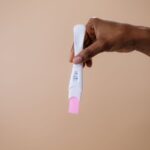
If your period is late and you feel unusually irritable, a home pregnancy test is the most reliable next step. Most tests are accurate from the first day of a missed period.



What Other Early Pregnancy Signs Might Appear?
Irritability rarely appears alone. Most women who feel moody in early pregnancy also notice other physical changes.
Common early signs include:
- Missed period
- Tender or swollen breasts
- Nausea with or without vomiting
- Increased need to urinate
- Fatigue
- Mild cramping
- Light spotting
- Food aversions or cravings
- Constipation or bloating
These symptoms typically start between week 2 and week 8 of pregnancy. Every woman is different. Some notice many signs early. Others feel almost nothing for weeks.
Is Irritability an Early Sign of Pregnancy or Something Else?
Irritability is a common early pregnancy symptom, but it is also a symptom of many other conditions. Before assuming pregnancy, consider other possible causes.
Thyroid disorders can cause mood changes, fatigue, and irritability. An overactive or underactive thyroid affects energy and emotional regulation. Blood tests can check thyroid function.
Blood sugar swings also affect mood. When glucose levels drop, irritability and shakiness can follow. This is especially true for people with insulin resistance or diabetes.
Sleep deprivation is another major cause. Poor sleep quality directly increases emotional reactivity. Many people do not connect their irritability to how well they slept the night before.
Stress, anxiety, and depression all present with irritability. Life changes, work pressure, and relationship issues can all trigger mood shifts that look identical to pregnancy-related mood changes.
Certain medications can also cause irritability as a side effect. Birth control pills, steroids, and some antidepressants are known to affect mood.
When Should You Take a Pregnancy Test?
Take a test on the first day of your missed period for the most accurate result. Testing earlier can give a false negative because hCG levels may still be too low to detect.
Some sensitive tests claim to detect pregnancy up to six days before a missed period. But testing early increases the chance of a false negative. If you test early and get a negative result, test again a few days later.
For the most reliable outcome, test first thing in the morning. Morning urine has the highest concentration of hCG.
If you get a positive result, contact a healthcare provider to confirm the pregnancy and discuss next steps. If you get a negative result but your period does not come, test again in a week.
Does Irritability Last the Whole Pregnancy?
Mood swings are most common in the first trimester. Hormone levels are changing rapidly, and your body is adjusting to a new physical state.
For many women, irritability eases in the second trimester. Energy often improves, and nausea usually fades by week 12 to 14. Hormone levels stabilize somewhat during this period.
The third trimester brings its own challenges. Physical discomfort, disrupted sleep, and anxiety about labor can all contribute to irritability again. This is normal, but it can be difficult to manage.
Every pregnancy is different. Some women feel emotionally stable throughout. Others experience significant mood changes in all three trimesters.
What Can You Do About Pregnancy-Related Irritability?
There is no cure for pregnancy hormones, but there are ways to manage the irritability they cause.
Sleep is the most important factor. Early pregnancy fatigue is real, and lack of sleep makes emotional control harder. Try to rest when you can. Short naps or going to bed earlier can help.
Regular physical activity can stabilize mood. Walking, swimming, and prenatal yoga are generally safe for healthy pregnancies. Check with your healthcare provider before starting a new exercise routine.
Eating regularly helps prevent blood sugar dips that worsen irritability. Small, frequent meals with protein and complex carbohydrates can keep energy and mood steadier.
Talk about how you feel. Partners, friends, and family may not understand why you are irritable. Explaining that pregnancy hormones affect mood can help them be more supportive.
If irritability becomes severe, persistent, or is accompanied by thoughts of harming yourself, seek help immediately. Pregnancy can trigger or worsen depression. This is a medical condition that requires treatment, not a character flaw.
When to See a Doctor About Irritability
Mild irritability in early pregnancy is normal. But certain patterns warrant a medical evaluation.
See a doctor if irritability is severe enough to interfere with daily life, work, or relationships. Also seek help if it is accompanied by:
- Persistent sadness or emptiness
- Loss of interest in activities you usually enjoy
- Changes in appetite or sleep beyond typical pregnancy symptoms
- Anxiety or panic attacks
- Thoughts of self-harm or harming the baby
These symptoms may indicate depression or an anxiety disorder, not just pregnancy hormones. Both conditions are treatable, and treatment is safe during pregnancy. Do not wait to get help.
Frequently Asked Questions
Can irritability be the first sign of pregnancy?
Yes, for some women irritability is one of the first signs they notice. But it is not specific to pregnancy and can easily be mistaken for PMS.
How many days after conception does irritability start?
Irritability can start about one to two weeks after conception, around the time of implantation. This is when hormone levels begin to rise noticeably.
Is irritability a reliable sign of pregnancy?
No, irritability alone is not a reliable sign. Many conditions cause irritability, and the only way to confirm pregnancy is a positive pregnancy test.
Does irritability mean you are having a girl or a boy?
No. There is no scientific evidence linking mood symptoms to the sex of the baby. This is an old myth with no medical support.
