

If you have diarrhea, ice cream is not a good choice. The lactose, fat, and sugar in ice cream can make your symptoms worse, especially if your gut is already sensitive. Instead, focus on bland, low-fiber foods that are easy to digest, like plain crackers, white rice, bananas, and clear broths.
Is Ice Cream Bad For Diarrhea What To Eat Instead
Ice cream can worsen diarrhea for three main reasons: lactose, fat, and sugar. When you have diarrhea, your intestinal lining is often damaged and inflamed. This makes it harder for your body to produce lactase, the enzyme needed to break down lactose, the natural sugar in dairy. Without enough lactase, lactose stays undigested in your gut and pulls water into your bowel, making diarrhea worse.
The fat in ice cream is also a problem. Fat slows digestion, which sounds like it would help, but it actually stimulates the gut to contract. For someone with diarrhea, this can mean more frequent trips to the bathroom. High sugar content adds another layer of trouble because sugar draws water into the intestines, similar to how lactose behaves.
If you are craving something cold and sweet, your safest bet is to wait until your stools have returned to normal. Most cases of acute diarrhea resolve within a few days. Once you are feeling better, you can slowly reintroduce dairy to see how your body responds.
What Foods Are Safe To Eat With Diarrhea?
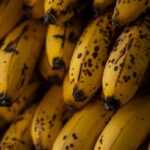
The BRAT diet is a well-known starting point for diarrhea recovery. BRAT stands for bananas, rice, applesauce, and toast. These foods are low in fiber, bland, and gentle on the digestive tract. They give your gut a break while still providing some calories and nutrients.
Other safe options include:
- Plain crackers or pretzels
- Plain white bread or toast without butter
- White rice or plain pasta
- Clear broths like chicken or vegetable
- Boiled or baked potatoes without the skin
- Well-cooked carrots
- Plain oatmeal
- Skinless chicken or turkey, baked or grilled
- Plain eggs, scrambled or boiled
These foods are low in insoluble fiber, which is the type of fiber that speeds up bowel movements. They are also low in fat and sugar, so they do not stimulate the gut the way richer foods do. Eat small portions throughout the day rather than large meals to avoid overwhelming your digestive system.
Why Does Dairy Make Diarrhea Worse?
Dairy products like milk, cheese, and ice cream are common triggers for diarrhea, even in people who are not normally lactose intolerant. The reason is temporary lactose intolerance. When your intestinal lining is inflamed from an infection or another cause, the cells that produce lactase are damaged. This is a temporary condition that usually resolves as your gut heals.
Some research suggests that even small amounts of dairy can cause issues during a diarrhea episode. The severity depends on how much lactase your body is producing at that moment, which varies from person to person. Some people can tolerate yogurt because it contains less lactose than milk, but ice cream is particularly problematic because it combines lactose with high fat and high sugar.
If you want to test whether dairy is contributing to your symptoms, wait until your diarrhea has stopped for at least 24 hours. Then try a small amount of a low-lactose dairy product like hard cheese or yogurt. If symptoms return, your gut is likely still healing, and you should wait longer.



What Should You Drink When You Have Diarrhea?
Staying hydrated is the most important part of managing diarrhea. Diarrhea causes your body to lose water and electrolytes like sodium, potassium, and chloride. Replacing these is essential to prevent dehydration, which can be dangerous, especially for older adults and young children.
Clear liquids are your best choice. Water is always safe, but it does not contain electrolytes. Oral rehydration solutions, available at most pharmacies, are formulated with the exact balance of salts and sugars your body needs. Sports drinks can work in a pinch, but they often contain too much sugar and not enough electrolytes to be ideal.
Other good options include clear broths, weak tea, and diluted fruit juices like apple or cranberry. Avoid drinks with caffeine or alcohol because both can dehydrate you further. Avoid sugary sodas and full-strength fruit juices because the sugar can draw water into your bowel and make diarrhea worse.
When Should You See a Doctor for Diarrhea?
Most diarrhea resolves on its own within a few days without medical treatment. But some situations require medical attention. See a doctor if your diarrhea lasts more than two days without improvement, or if you have signs of dehydration like dark urine, dizziness, dry mouth, or decreased urination.
Seek immediate medical care if you experience any of the following:
- Blood or black, tarry stools
- High fever above 101°F
- Severe abdominal pain that does not go away
- Diarrhea after returning from a foreign country
- Diarrhea that occurs during or after taking antibiotics
For infants, young children, and older adults, dehydration can happen quickly. Watch these groups closely and contact a healthcare provider early if you have concerns. For anyone with a weakened immune system or chronic condition like inflammatory bowel disease, diarrhea can be more serious and may require earlier medical evaluation.
What Foods Should You Avoid With Diarrhea?
Just as some foods help, others can make diarrhea worse. Knowing what to avoid is as important as knowing what to eat. The general rule is to avoid foods that are hard to digest, high in fat, or high in sugar.
Foods to avoid include:
- Dairy products like milk, cream, and ice cream
- Fried and greasy foods
- Spicy foods
- High-fiber foods like whole grains, beans, and raw vegetables
- Fruits like prunes, berries, and citrus
- Caffeinated drinks like coffee and energy drinks
- Alcohol
- Artificial sweeteners like sorbitol and mannitol
- Sugar-free gum and candies
Artificial sweeteners deserve special attention because they are known to cause diarrhea even in healthy people. These sugar alcohols are poorly absorbed by the gut and pull water into the intestines. If you are already dealing with diarrhea, even a small amount can prolong your symptoms.
As your stools begin to firm up, you can gradually add foods back into your diet. Start with low-fiber options and slowly introduce more variety over a few days. Your gut needs time to heal, and rushing back to a normal diet can cause a relapse.
How Long Does Diarrhea Usually Last?
Acute diarrhea, the type caused by infections or food poisoning, typically lasts one to three days. Viral gastroenteritis, often called the stomach flu, usually clears up within that window. Bacterial infections can last longer, sometimes up to a week or more.
If diarrhea persists beyond two weeks, it is considered chronic and requires medical evaluation. Chronic diarrhea can be a sign of an underlying condition like irritable bowel syndrome, inflammatory bowel disease, or a food intolerance. A doctor can help identify the cause and recommend appropriate treatment.
During the recovery period, keep following the bland diet until your stools are fully formed for at least 24 hours. Then slowly reintroduce your normal foods, one at a time, to identify any triggers. This approach gives your gut the best chance to heal without setbacks.
Frequently Asked Questions
Can I eat ice cream if I have diarrhea?
No. Ice cream contains lactose, fat, and sugar, all of which can make diarrhea worse. Wait until your stools return to normal before trying dairy again.
What is the fastest way to stop diarrhea?
Stay hydrated with oral rehydration solutions and eat bland, low-fiber foods like bananas, rice, and toast. Over-the-counter anti-diarrheal medications can help but should not be used if you have a fever or bloody stools.
Is yogurt good for diarrhea?
Yogurt is better than ice cream because it contains less lactose, but it can still cause problems during an active episode. Some research suggests probiotics in yogurt may help recovery, but wait until symptoms improve before trying it.
How long should I wait to eat dairy after diarrhea?
Wait at least 24 hours after your stools return to normal before eating dairy. Start with a small amount of low-lactose dairy like hard cheese and see how your body responds.
