
Bananas are one of the most common fruits in the American diet, but for some people, they seem to trigger digestive upset. The direct answer is that for most people, bananas do not cause diarrhea. In fact, they are a standard part of the BRAT diet—bananas, rice, applesauce, and toast—that doctors have long recommended for easing loose stools. However, for a small number of people with specific sensitivities, bananas can contribute to or worsen diarrhea. The difference comes down to individual digestive health, how ripe the banana is, and whether you have an underlying condition like irritable bowel syndrome or a fructose intolerance.
Do Bananas Cause Diarrhea or Help With It?
Bananas are generally considered a binding food, not a loosening one. They contain pectin, a type of soluble fiber that absorbs excess water in the digestive tract. This makes stool firmer and slower to pass, which is why bananas are recommended during episodes of diarrhea.
But the story is not identical for everyone. Some people find that bananas trigger loose stools or abdominal cramping. This is not a sign that bananas are bad—it usually points to a specific sensitivity that is unique to that person.
How Ripe Bananas Affect Digestion Differently
The ripeness of a banana changes its carbohydrate composition, and that matters for digestion.
Green bananas are high in resistant starch. Resistant starch behaves like fiber—it is not broken down in the small intestine and instead ferments in the colon. For most people this is beneficial, feeding healthy gut bacteria. But for people with sensitive digestive systems, that fermentation can produce gas, bloating, and sometimes loose stools.
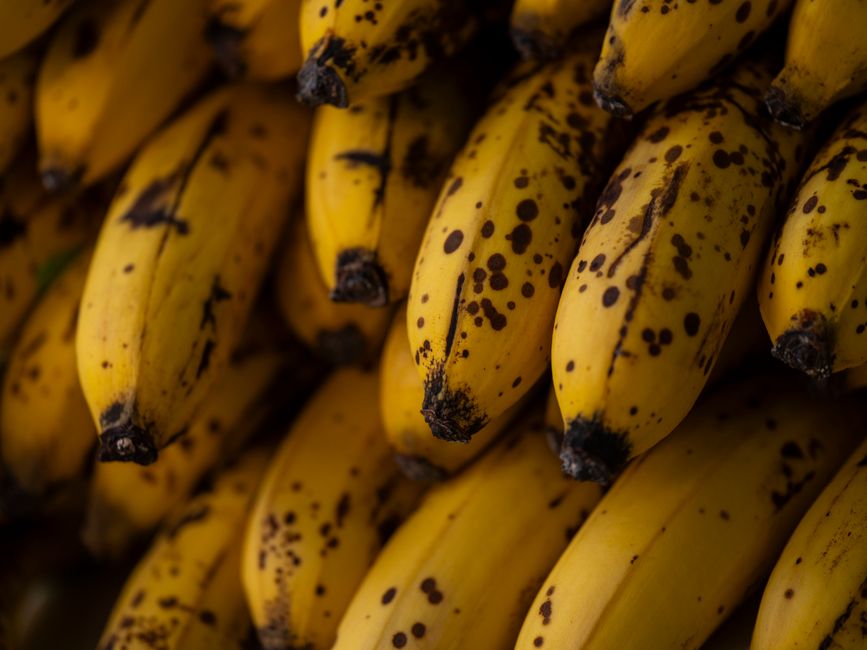
Ripe bananas, with brown spots on the peel, have converted most of that resistant starch into simple sugars—glucose, fructose, and sucrose. These are easier to digest for most people. However, the higher sugar content can be a problem for those who cannot absorb fructose well.
The Fructose Connection
Fructose malabsorption is a condition where the small intestine cannot absorb fructose properly. Undigested fructose travels to the colon, where bacteria ferment it. That fermentation draws water into the bowel and produces gas, which can lead to diarrhea.
Bananas contain roughly equal amounts of glucose and fructose. Glucose actually helps the gut absorb fructose, which is why bananas are often tolerated better than fruits with higher fructose-to-glucose ratios, like apples or pears. But in someone with significant fructose malabsorption, even a banana can be enough to trigger symptoms.
This is not a common cause of diarrhea, but it is a real one. If you notice that bananas, along with other fruits, consistently cause loose stools, fructose malabsorption may be worth discussing with a doctor.





Irritable Bowel Syndrome and Fermentable Carbs
Bananas appear on the low-FODMAP diet, which is used to manage irritable bowel syndrome (IBS). FODMAPs are fermentable carbohydrates that can trigger symptoms in sensitive people. Unripe bananas are considered low-FODMAP, while very ripe bananas are higher in a type of FODMAP called fructans.
Fructans are chains of fructose molecules. Like fructose, they ferment in the colon and can cause gas, bloating, and diarrhea in people with IBS. A very ripe banana—one with significant brown spotting—may contain enough fructans to trigger symptoms in someone who is highly sensitive.
This does not mean bananas cause IBS. It means that for people with IBS, the ripeness of the banana can be the difference between a well-tolerated snack and a digestive flare-up.
Other Reasons Bananas Might Cause Loose Stools
There are a few other less common explanations worth considering.
Some people have a true banana allergy, though this is rare. Symptoms typically include itching, hives, or swelling of the lips and mouth. Diarrhea can occur in more severe allergic reactions, but it would not be the only symptom.
Another possibility is that the diarrhea is not caused by the banana itself but by what is eaten with it. A banana blended into a smoothie with other fruits, dairy, or sugar alcohols can trigger digestive distress that gets blamed on the banana alone.
Finally, eating a very large amount of bananas in a short period can overwhelm the digestive system. The fiber and sugar load from several bananas at once could cause loose stools even in someone who tolerates one banana without issue.
What to Do If Bananas Seem to Cause Diarrhea
If you suspect bananas are contributing to diarrhea, the first step is to test the pattern. Keep a food diary for a week or two. Note what you eat, how ripe the bananas are, and when digestive symptoms occur. This can reveal whether the problem is consistent or coincidental.
Try adjusting ripeness. If you have been eating very ripe bananas, switch to firmer, greener ones. If you have been eating green bananas, try riper ones. This simple change resolves the issue for many people.
Pay attention to portion size. One banana is a reasonable serving. Two or three in a day may be more than your digestive system handles comfortably.
If diarrhea persists regardless of ripeness or portion size, see a doctor. Persistent diarrhea can be a sign of an underlying condition that has nothing to do with bananas, such as celiac disease, inflammatory bowel disease, or a chronic infection. A medical evaluation is the appropriate next step.
When Bananas Are the Right Choice
For the majority of people, bananas are an excellent food for digestive health. They are easy to digest, rich in potassium, and provide a quick source of energy. During a bout of diarrhea from a stomach bug or food poisoning, bananas are one of the best foods to eat because they help firm up stool and replace lost potassium.
The BRAT diet—bananas, rice, applesauce, toast—remains a practical approach for short-term recovery from acute diarrhea. It is not a long-term nutritional strategy because it lacks protein and fat, but for 24 to 48 hours it can help settle the stomach and reduce stool frequency.
Bananas are also a reasonable choice for people managing chronic digestive conditions like IBS, as long as they are eaten in the ripeness stage that works for that individual.
What the Research Actually Shows
Clinical research does not identify bananas as a common cause of diarrhea. Studies on dietary triggers for diarrhea consistently point to other culprits—artificial sweeteners, excessive caffeine, dairy in lactose-intolerant individuals, and spicy foods. Bananas are rarely implicated.
Research on the BRAT diet and on soluble fiber supports the idea that bananas help with diarrhea rather than cause it. The pectin in bananas has a water-absorbing effect that contributes to firmer stools.
The evidence linking bananas to diarrhea is limited to specific subgroups—people with fructose malabsorption, people with IBS who are sensitive to fructans, and people with a rare banana allergy. For these individuals, bananas can be a trigger. For everyone else, the evidence does not support avoiding bananas.
Practical Bottom Line
If you have never noticed a connection between bananas and loose stools, there is no reason to avoid them. They are a nutritious fruit with clear digestive benefits for most people.
If you suspect a connection, test it systematically. Change the ripeness, change the portion size, and keep a diary. If symptoms persist, seek medical advice rather than self-diagnosing a food intolerance.
Bananas are not a common diarrhea trigger, but individual digestive systems vary. Your body’s response is the most reliable guide.
Frequently Asked Questions
Can eating too many bananas cause diarrhea?
Yes, eating a large amount of bananas in a short period can cause loose stools due to the combined fiber and sugar load. One banana is a reasonable serving; several at once may overwhelm digestion.
Are green bananas or ripe bananas more likely to cause diarrhea?
Green bananas are more likely to cause gas and bloating due to resistant starch, while very ripe bananas are more likely to trigger symptoms in people with IBS due to higher fructan content. The trigger depends on your specific digestive sensitivity.
Should I eat bananas when I already have diarrhea?
Yes, bananas are a recommended food during acute diarrhea because pectin helps firm up stool and potassium replaces what is lost. This is standard advice for short-term recovery from stomach bugs.
Can a banana allergy cause diarrhea?
A true banana allergy is rare and typically causes itching, hives, or mouth swelling rather than diarrhea alone. If diarrhea occurs in an allergic reaction, other symptoms would almost certainly be present.
