
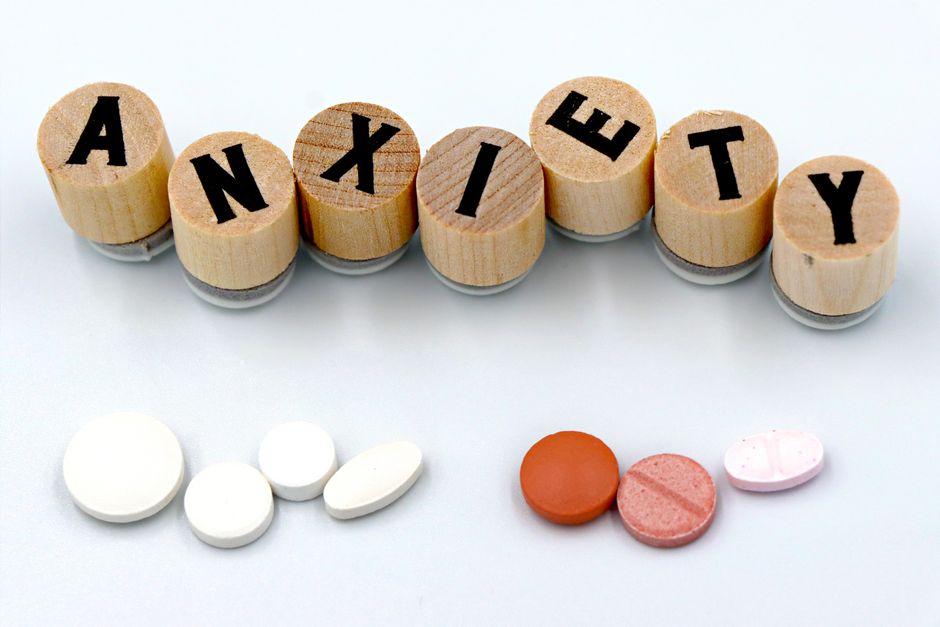
Hydroxyzine is a prescription antihistamine that is sometimes used to treat anxiety, but it is not a first-choice treatment for most anxiety disorders. It works by calming the central nervous system, which can reduce feelings of tension and nervousness. While it can be effective for short-term relief, such as before a medical procedure, it is not typically recommended for long-term daily management of generalized anxiety. Doctors usually reserve it for specific situations or for people who cannot tolerate other anxiety medications.
How Does Hydroxyzine Work for Anxiety?
Hydroxyzine is an antihistamine, meaning it blocks the effects of histamine, a chemical your body releases during allergic reactions. But it also affects other brain chemicals. The drug crosses into the brain and blocks certain receptors, including histamine receptors and some serotonin receptors. This action produces a calming or sedating effect.
This is different from how most anti-anxiety medications work. Benzodiazepines like Xanax or Valium enhance the effect of a brain chemical called GABA, which rapidly slows down brain activity. SSRIs like Zoloft or Lexapro work over weeks to change serotonin levels. Hydroxyzine works more like a sedative, quieting the brain quickly but not targeting the underlying chemical pathways linked to chronic anxiety.
The calming effect of hydroxyzine usually begins within 30 to 60 minutes after taking a dose. This fast onset makes it useful for situational anxiety, such as the nervousness you might feel before a dental appointment or a flight.
Is Hydroxyzine Good for Anxiety Compared to Other Medications?
The short answer is that hydroxyzine is generally considered less effective than standard anxiety treatments for long-term care. It is not a first-line treatment for generalized anxiety disorder (GAD), panic disorder, or social anxiety disorder.
For chronic anxiety, doctors usually recommend either an SSRI (selective serotonin reuptake inhibitor) or an SNRI (serotonin-norepinephrine reuptake inhibitor). These medications are proven to manage the daily symptoms of anxiety over months and years. They do not work immediately, but they address the root chemical imbalances more effectively.
Hydroxyzine is often used in specific situations:
- Before medical procedures: To reduce pre-surgery nervousness.
- Short-term crisis relief: For a few days of intense anxiety while waiting for an SSRI to start working.
- For people who cannot take other medications: Some people have bad reactions to SSRIs or have substance use concerns that rule out benzodiazepines.
- As a non-habit-forming alternative: Hydroxyzine does not carry the same risk of dependence as benzodiazepines.
It is important to understand that hydroxyzine is not a cure for anxiety. It manages the feeling of being anxious but does not treat the underlying cause of the condition.
What Are the Side Effects of Hydroxyzine?
The most common side effect is drowsiness. Because the drug calms the brain, it makes most people feel sleepy or tired. This is why it is sometimes prescribed as a sleep aid. Other common side effects include dry mouth, headache, and dizziness.
Some people experience more serious side effects, though these are less common. These can include confusion, tremors, or an irregular heartbeat. If you have a history of heart rhythm problems, specifically a condition called long QT syndrome, you should not take hydroxyzine. It can affect the electrical activity of the heart.
Older adults may be more sensitive to the sedative effects of hydroxyzine. They are at a higher risk of falls, confusion, and memory problems. Because of this, the drug is often used with caution in people over 65.
Another key concern is that hydroxyzine can impair your ability to drive or operate machinery. You should not drive until you know how the medication affects you. Combining it with alcohol or other central nervous system depressants can dangerously amplify the sedative effect.





How Long Can You Safely Take Hydroxyzine?
Hydroxyzine is approved by the FDA for the treatment of anxiety and tension. However, the official guidance states it is for short-term use. The prescribing information does not recommend using it for extended periods to manage chronic anxiety.
In practice, many doctors prescribe it for a few days or a few weeks. It is often used during a transitional period, such as when a patient is starting a longer-term medication like an SSRI. Because SSRIs take several weeks to become fully effective, hydroxyzine can bridge that gap.
There is no established guideline for how long you can safely take hydroxyzine every day. The evidence for its long-term effectiveness in anxiety is limited. Some research suggests it may lose its effectiveness over time as the body builds tolerance, meaning you might need higher doses to get the same calming effect. However, it is not considered addictive in the same way as benzodiazepines.
If you have been taking hydroxyzine for more than a few weeks, you should talk to your doctor. They can evaluate whether it is still the right medication for you or whether a different approach would be more effective.
What Is the Right Dose of Hydroxyzine for Anxiety?
Dosing depends on the individual, their age, and their medical history. For adults, the typical dose for anxiety is 50 to 100 mg taken up to four times a day. Some people may start at a lower dose of 25 mg to see how they react.
For children, the dose is calculated based on body weight. A common starting point is 0.6 mg per kilogram of body weight. This is always determined by a pediatrician or doctor.
It is critical to take hydroxyzine exactly as prescribed. Do not increase your dose on your own. Taking too much can cause severe side effects, including seizures or heart problems. If you miss a dose, take it as soon as you remember. If it is almost time for your next dose, skip the missed one. Do not double up.
Because hydroxyzine is processed by the liver, people with liver disease may need a lower dose. Similarly, people with kidney problems may need adjustments. Always inform your doctor about any other health conditions you have.
Can Hydroxyzine Be Taken With Other Medications?
Hydroxyzine can interact with many other drugs. The most dangerous interactions are with other medications that slow down the brain. This includes opioids, sleep medications, muscle relaxants, and alcohol. Taking these together can lead to severe respiratory depression, where your breathing becomes dangerously slow.
It also interacts with certain heart medications and drugs that affect liver enzymes. For example, medications that inhibit the CYP2D6 enzyme in the liver can increase the levels of hydroxyzine in your blood, raising the risk of side effects.
Always give your doctor and pharmacist a complete list of everything you take, including over-the-counter drugs, vitamins, and herbal supplements. This helps prevent dangerous interactions.
What Are the Alternatives to Hydroxyzine for Anxiety?
If hydroxyzine is not a good fit, there are several other options. The choice depends on the type of anxiety and its severity.
SSRIs and SNRIs are the standard first-line treatments for chronic anxiety. Examples include sertraline (Zoloft), escitalopram (Lexapro), and venlafaxine (Effexor). They take several weeks to work but are effective for most people.
Benzodiazepines like lorazepam (Ativan) or alprazolam (Xanax) are fast-acting but carry a high risk of dependence. They are usually used only for short-term relief or severe panic attacks.
Buspirone is an anti-anxiety medication that is not sedating and has a lower risk of dependence. It is used for generalized anxiety but takes a couple of weeks to become effective.
Therapy is also a vital part of anxiety treatment. Cognitive behavioral therapy (CBT) is highly effective for teaching people skills to manage anxious thoughts and behaviors. Many people find that a combination of medication and therapy works best.
Some research suggests that lifestyle factors like regular exercise, adequate sleep, and reducing caffeine intake can help manage anxiety symptoms. These are not replacements for medical treatment but can be valuable additions.
Frequently Asked Questions
Is hydroxyzine addictive?
Hydroxyzine is not classified as a controlled substance and has a low risk of dependence. However, your body can build a tolerance to it over time, meaning it may become less effective with prolonged use.
How fast does hydroxyzine work for anxiety?
Most people feel the calming effects within 30 to 60 minutes of taking a dose. This fast onset makes it useful for situational anxiety like fear of flying or before a medical procedure.
Can I take hydroxyzine every day for anxiety?
It is not recommended for long-term daily use because evidence for its long-term effectiveness is limited. It is best used for short periods, such as a few days or weeks, often while a longer-term medication like an SSRI starts working.
Does hydroxyzine make you sleepy?
Yes, drowsiness is the most common side effect. Because of this, you should not drive or operate machinery until you know how the medication affects you.
