
Hyaluronic acid is generally considered safe to use during pregnancy when applied to the skin in topical products like serums and moisturizers. This is because the molecules are too large to pass through the skin barrier in amounts that would reach the bloodstream and affect a developing baby. Research from dermatology and obstetrics sources, including the American College of Obstetricians and Gynecologists, does not list topical hyaluronic acid as a concern for pregnant women.
What Exactly Is Hyaluronic Acid and How Does It Work?
Hyaluronic acid is a substance your body already makes. It is found in your skin, joints, and eyes. Its main job is to hold water and keep tissues well lubricated and plump.
In skin care, hyaluronic acid acts like a sponge. It can hold up to 1,000 times its weight in water. When you apply it to your skin, it pulls moisture from the air and deeper layers of your skin to the surface. This helps reduce the look of fine lines and gives skin a fuller, more hydrated appearance.
Most products use a form called sodium hyaluronate. This is a salt version that penetrates the skin slightly better than pure hyaluronic acid. Even so, the molecules remain large enough that they stay in the upper layers of the skin and do not enter the bloodstream in meaningful amounts.
Is Hyaluronic Acid Safe During Pregnancy When Applied Topically?
Yes, topical hyaluronic acid is safe during pregnancy. The key reason is how the body processes it. Your skin acts as a barrier. The hyaluronic acid molecules used in creams and serums are too large to pass through the skin and enter your blood circulation.
Even if a tiny amount did get through, your body already produces hyaluronic acid naturally. It is not a foreign substance. Your liver breaks it down and your kidneys filter it out just like the hyaluronic acid your own cells make. The amounts in skin care products are very small compared to what your body produces on its own each day.
Dermatologists and obstetricians widely agree on this point. The American Academy of Dermatology has not issued any warnings against using hyaluronic acid during pregnancy. It is considered a low-risk ingredient for topical use at any stage of pregnancy.
Is Injectable Hyaluronic Acid Like Juvederm or Restylane Safe During Pregnancy?
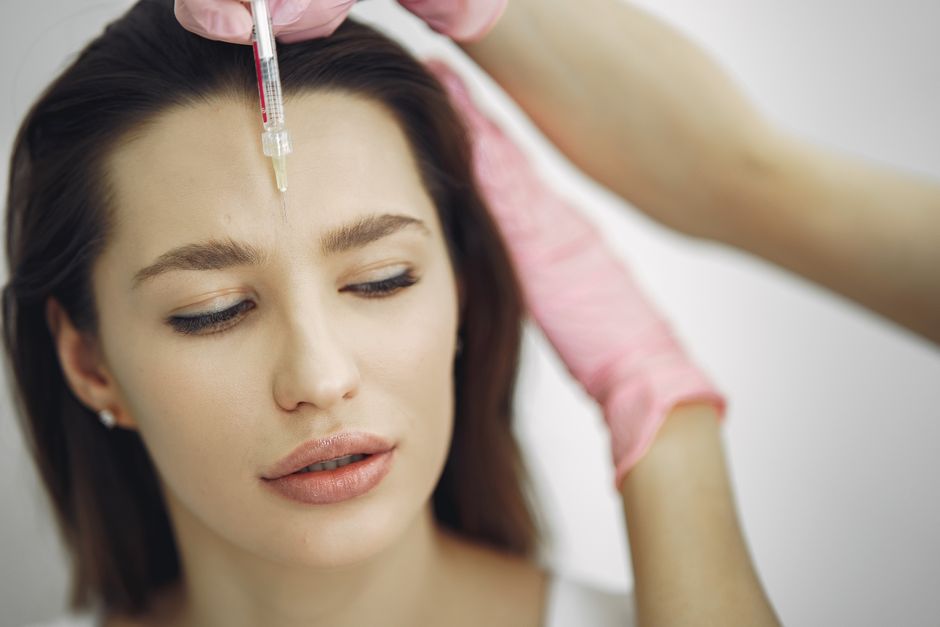
Injectable hyaluronic acid fillers are a different story. Products like Juvederm, Restylane, and Belotero are injected into the deeper layers of the skin. This bypasses the skin barrier entirely and puts the substance directly into your body.
There are no large, controlled studies on the safety of these fillers during pregnancy. Pregnant women are almost always excluded from clinical trials for ethical reasons. As of 2026, there is no clinical evidence that injectable hyaluronic acid is harmful during pregnancy. But there is also no evidence that it is safe.
Because of this lack of data, most manufacturers and medical professionals recommend avoiding injectable fillers during pregnancy. The FDA labeling for these products advises against use in pregnant or nursing women. This is a precautionary position based on the absence of safety data, not on proven harm.





What Does the Research on Hyaluronic Acid and Pregnancy Actually Show?
The research on topical hyaluronic acid during pregnancy is limited but consistent. A 2021 review in the journal Dermatologic Therapy looked at common skin care ingredients and pregnancy safety. The authors found no evidence linking topical hyaluronic acid to adverse pregnancy outcomes.
Another study published in Birth Defects Research in 2019 reviewed ingredients in over 200 skin care products marketed to pregnant women. Hyaluronic acid was not flagged as a concern. The researchers noted that its large molecular size and natural presence in the body make it a low-risk ingredient.
The main gap in research is that no randomized controlled trials have been done on pregnant women using hyaluronic acid. This is standard for most cosmetic ingredients. Researchers do not want to expose pregnant women to any unnecessary risk. So safety conclusions are drawn from what is known about the ingredient’s properties and how the body handles it.
Are There Any Side Effects or Risks to Watch For?
Side effects from topical hyaluronic acid are rare and usually mild. The most common issue is skin irritation. Some people experience redness, itching, or a stinging sensation when they first start using it. This is more likely if you have sensitive skin or if the product contains other active ingredients like retinol or vitamin C.
During pregnancy, your skin can change. Some women develop pregnancy-induced sensitivity. A product that worked fine before pregnancy might cause irritation now. If you notice redness or discomfort, stop using the product and stick to a simpler routine until your skin settles.
There is no evidence that topical hyaluronic acid causes birth defects, miscarriage, or any other pregnancy complication. The risk is considered negligible by medical consensus.
| Form | How It Enters Body | Safety During Pregnancy | Evidence Level |
|---|---|---|---|
| Topical serum or cream | Absorbed through skin surface | Safe | Strong consensus from dermatology groups |
| Injectable filler | Injected into deep skin or tissue | Not recommended | No safety data available |
| Oral supplement | Digested and absorbed into bloodstream | Uncertain | Very limited research |
What About Oral Hyaluronic Acid Supplements During Pregnancy?
Oral hyaluronic acid supplements are a growing trend. They are sold as pills, powders, and liquids for joint health and skin hydration. Unlike topical products, these are digested and enter your bloodstream directly.
There is almost no research on oral hyaluronic acid during pregnancy. The few studies that exist on oral hyaluronic acid have been done in non-pregnant adults. They focus on joint pain and skin aging, not pregnancy outcomes.
Because oral supplements bypass the skin barrier and enter systemic circulation, the theoretical risk is higher than with topical use. Most healthcare providers advise against taking hyaluronic acid supplements during pregnancy unless your doctor specifically recommends them for a medical reason. The general guidance is to avoid any supplement during pregnancy that is not clearly necessary.
Common Misconceptions About Hyaluronic Acid and Pregnancy
One common myth is that hyaluronic acid is a hormone disruptor. This is not true. Hyaluronic acid does not mimic or interfere with hormones in the body. It is a simple sugar molecule, not a hormone or a hormone-like substance.
Another misconception is that hyaluronic acid contains alcohol or other harsh chemicals. Pure hyaluronic acid is a carbohydrate. It is not an alcohol, an acid in the harsh chemical sense, or a preservative. The “acid” in its name refers to its chemical structure, not its effect on skin.
Some people worry that because hyaluronic acid is sometimes derived from animal sources, it might carry risks. Most commercial hyaluronic acid today is made through bacterial fermentation. It is vegan, synthetic, and highly purified. The manufacturing process removes any animal proteins that could cause allergic reactions.
Frequently Asked Questions
Can I use hyaluronic acid serum while pregnant?
Yes, you can use hyaluronic acid serum while pregnant. It is considered safe because the molecules are too large to enter your bloodstream.
Does hyaluronic acid cause birth defects?
No, there is no evidence that topical hyaluronic acid causes birth defects. Your body already produces it naturally and handles it the same way.
Should I avoid hyaluronic acid in my first trimester?
No, you do not need to avoid hyaluronic acid in the first trimester. Topical use is considered safe throughout all stages of pregnancy.
Is hyaluronic acid in makeup safe for pregnancy?
Yes, hyaluronic acid in makeup and foundation is safe during pregnancy. The amount is very small and it stays on the surface of your skin.
