
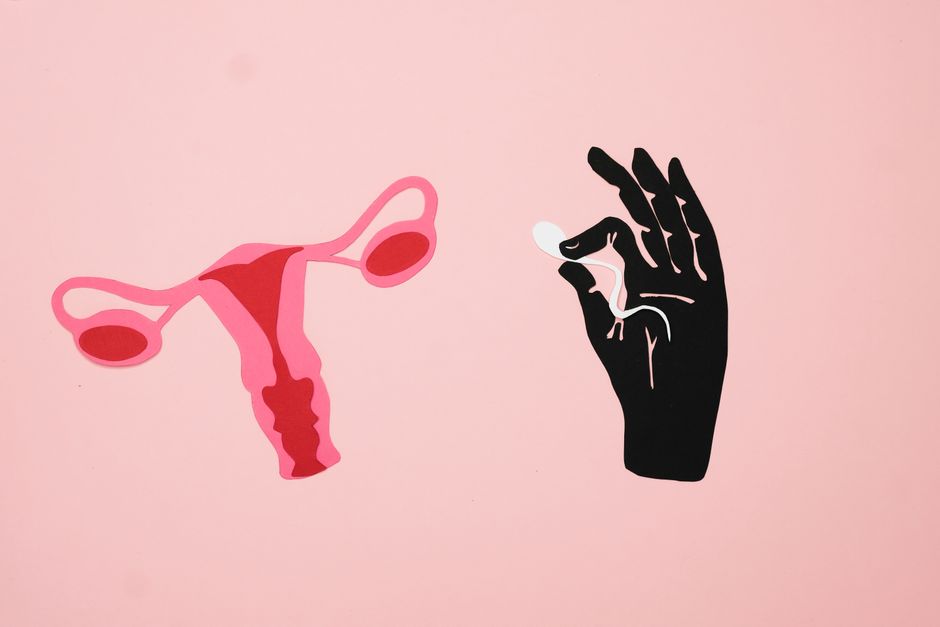
HPV is the most common sexually transmitted infection in the United States, and it can be found in semen. The presence of HPV in semen does affect male fertility in some cases, and it can be transmitted to a partner during intercourse. Research indicates that HPV can reduce sperm motility and damage sperm DNA, which may lower the chances of conception, though many couples still conceive successfully despite the infection.
What Does HPV in Semen Mean for Fertility?
Studies have found HPV in sperm samples from infected men. The virus attaches to the sperm head, where the genetic material is stored. This attachment can interfere with how well the sperm moves and how effectively it can fertilize an egg.
Sperm motility is the ability of sperm to swim forward. HPV infection has been linked to reduced motility in several studies. When sperm cannot swim properly, they struggle to reach the egg. This is one of the clearest ways HPV affects male fertility.
HPV may also increase the rate of sperm DNA fragmentation. DNA fragmentation means the genetic material inside the sperm is broken or damaged. High levels of fragmentation are associated with lower fertilization rates and higher miscarriage rates. Some research suggests that clearing the HPV infection can improve sperm quality over time.
The effect is not universal. Many men with HPV in their semen have normal sperm parameters. The infection does not guarantee infertility. It raises the risk of difficulty conceiving, but it does not make conception impossible.
Can HPV in Semen Cause Infertility?
HPV does not cause permanent infertility in most men. The evidence points to a temporary reduction in fertility potential rather than a permanent inability to conceive. Once the immune system clears the virus, sperm quality often returns to normal.
Most HPV infections clear on their own within one to two years. The immune system suppresses the virus, and the body eliminates it. During the active infection, fertility may be reduced, but this is usually a temporary state.
In couples undergoing assisted reproduction, HPV in semen may lower success rates. Some studies show lower fertilization rates with intracytoplasmic sperm injection when HPV is present. Other studies show no significant difference. The evidence is mixed, and the clinical impact varies from case to case.
There is no evidence that HPV causes irreversible testicular damage. The virus does not appear to destroy the cells that produce sperm. The effects are on the sperm themselves, not the machinery that makes them.
How Is HPV Transmitted Through Semen?
HPV is transmitted through skin-to-skin contact during vaginal, anal, or oral sex. The virus lives in epithelial cells, which are the cells on the surface of the skin and mucous membranes. Semen itself can carry the virus, but the primary transmission route is contact with infected tissue.
When a man has an active HPV infection on his genitals, the virus can shed into his semen. During intercourse, that semen carries the virus to the partner. The virus enters the partner’s epithelial cells and can establish a new infection.
Condoms reduce the risk of HPV transmission but do not eliminate it. HPV can be present on skin not covered by a condom, such as the scrotum or the base of the penis. Consistent condom use lowers the viral load and reduces transmission risk, but it is not complete protection.
Transmission can occur even when there are no visible symptoms. Most HPV infections cause no symptoms at all. A person can carry and transmit the virus without ever knowing they are infected. This is why HPV is so widespread.



Does HPV in Semen Affect Pregnancy Outcomes?
Some research suggests a link between HPV and miscarriage. The virus may infect the placenta or the early embryo, potentially interfering with implantation. Studies on this topic show mixed results, and the exact mechanism is not fully understood.
One theory is that HPV in sperm can be carried into the egg during fertilization. If the viral DNA integrates into the early embryo, it could disrupt normal development. This remains a theoretical mechanism, and no large human trials have confirmed it.
For couples already pregnant, an HPV infection in the father does not appear to harm the developing fetus. The virus does not typically cross the placenta in a way that causes congenital defects. The main concern is during conception, not after pregnancy is established.
Women who have HPV themselves may face additional considerations. High-risk HPV types are linked to cervical cell changes that can affect fertility treatments. Routine cervical screening remains important for all sexually active women.
Can Treating HPV Improve Sperm Quality?
There is no direct antiviral treatment for HPV. Unlike antibiotics for bacterial infections, no medication kills the HPV virus. The body’s immune system is the only defense that clears the infection.
Some clinicians recommend surgical removal of visible genital warts, but this does not eliminate the underlying viral infection. The virus can persist in surrounding tissue even after warts are removed. Clearance depends on the immune response, not on local treatment.
Because the infection resolves on its own, sperm quality often improves as the immune system clears the virus. Men who test positive for HPV in semen may see their sperm parameters return to normal within months. This is not a guaranteed outcome, but it is a common one.
The HPV vaccine does not treat an existing infection. It prevents new infections with the covered strains. For men who are already infected, the vaccine offers no therapeutic benefit. However, it can protect against future infection with other HPV types.
Should Men Be Tested for HPV in Semen?
Routine testing for HPV in semen is not standard clinical practice. Most fertility clinics do not screen for HPV unless there is a specific reason to do so. There is no official guideline recommending universal HPV testing in semen for fertility assessments.
Testing may be considered in specific situations. If a couple has unexplained infertility and the male partner has a known history of HPV, some clinicians may order the test. This is not a universal recommendation, and the clinical value remains debated.
The lack of a standard treatment for HPV in semen limits the usefulness of testing. Knowing the virus is present does not change the management plan, since there is no antiviral therapy. The information may help explain fertility difficulties, but it does not offer a direct treatment path.
Men who have concerns about HPV and fertility should discuss the issue with a fertility specialist. The specialist can assess individual risk factors and determine whether testing is appropriate. This is a personalized decision rather than a routine screening.
What Are the Options for Couples Trying to Conceive with HPV?
Most couples with HPV in the male partner can conceive naturally. The infection reduces fertility potential in some cases, but it does not prevent conception for most couples. Trying to conceive for a standard period of twelve months before seeking help is reasonable.
For couples who have been trying for over a year without success, fertility treatment is an option. Intrauterine insemination and in vitro fertilization can bypass some of the sperm motility issues caused by HPV. Sperm washing techniques may reduce the viral load in prepared samples.
Some fertility clinics perform sperm washing specifically to separate sperm from seminal fluid. This process can reduce the amount of virus in the final sample used for insemination. However, HPV can attach tightly to the sperm head, so washing does not completely remove the virus.
Couples should also consider the partner’s HPV status. If the female partner has an active cervical infection, this may affect fertility treatment outcomes. A full fertility workup for both partners is the most informative approach.
How Can Men Reduce the Risk of HPV Transmission?
The HPV vaccine is the most effective prevention tool. The vaccine protects against the high-risk types that cause most HPV-related cancers, including types 16 and 18. It also protects against types 6 and 11, which cause most genital warts. The vaccine is recommended for all adults up to age 26, and some adults up to age 45 may benefit.
Condom use reduces transmission risk but does not eliminate it. The virus can be present on skin outside the condom-covered area. Consistent and correct condom use lowers the risk of passing the virus to a partner.
Limiting the number of sexual partners reduces exposure risk. Each new partner increases the chance of encountering someone with an active infection. Monogamy with an uninfected partner essentially eliminates new exposure.
There is no way to know when an HPV infection has fully cleared. The immune system suppresses the virus, but it may remain detectable at low levels. Abstaining from sexual activity during an active outbreak of warts is sensible, but the virus can be transmitted even without visible symptoms.
Frequently Asked Questions
Can HPV in semen cause male infertility?
HPV in semen can reduce sperm motility and increase DNA damage, which may lower fertility potential. Most men with HPV still conceive successfully, and the effects are usually temporary.
How is HPV transmitted through semen?
HPV is transmitted through skin-to-skin contact during sex, and the virus can shed into semen from infected genital tissue. Condoms reduce transmission risk but do not eliminate it because the virus can be on uncovered skin.
Does HPV in semen affect pregnancy success?
Some studies link HPV in semen to lower fertilization rates in assisted reproduction, but results are mixed. Most couples with HPV conceive naturally without significant difficulty.
Is there a treatment to clear HPV from semen?
No antiviral medication exists for HPV, and the immune system clears the infection on its own. Sperm quality often improves once the immune system suppresses the virus.
