
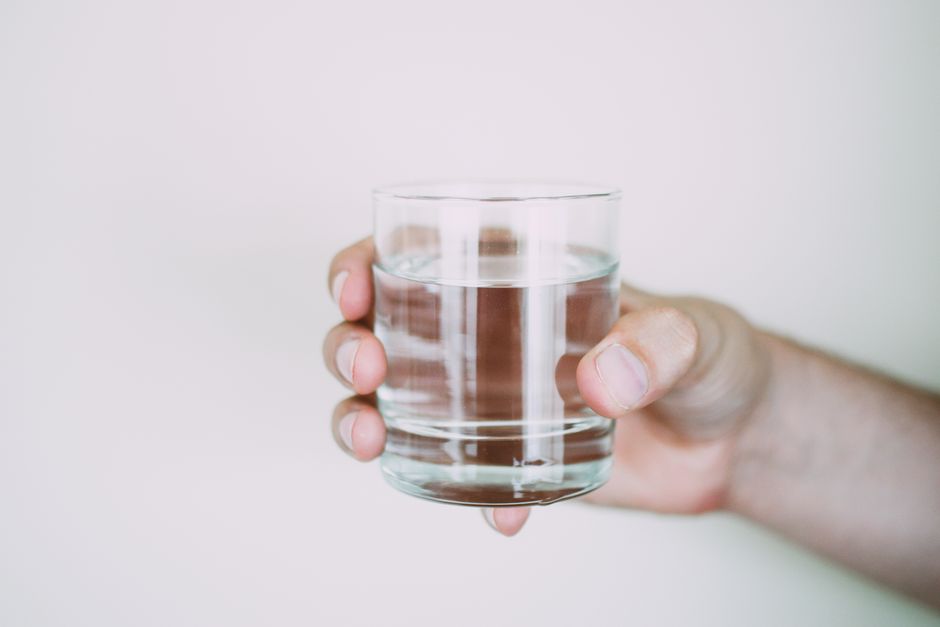
Hot water does not spread poison ivy, but it can make the itch worse and irritate skin that is already inflamed. The rash comes from an oil called urushiol, not from heat or from the fluid in your blisters. Warm or hot water will not move that oil to new places on your body once it has bonded to your skin. What hot water can do is strip away protective oils, dry out the skin, and trigger more itching in nerve endings that are already fired up.
What Actually Causes the Poison Ivy Rash?
The rash is an allergic reaction to urushiol, the oily sap found in poison ivy, poison oak, and poison sumac. Urushiol is not a poison in the usual sense. It is a chemical that your immune system may recognize as a threat and attack.
When urushiol touches your skin, it binds to proteins in the outer layer. For people who are allergic, the immune system sends cells to that spot and causes inflammation. That inflammation is what you see and feel: redness, swelling, small bumps, and blisters that can ooze.
This is why the rash often shows up in lines or streaks. Those patterns trace where the plant brushed against your skin. It is also why the rash can take time to appear. A first reaction may take several days to develop because the immune system has to mount its response. Later exposures can produce a reaction faster, sometimes within hours, because the immune system already knows the target.
About 50 to 75 percent of people are allergic to urushiol, according to dermatology sources. The rest are not allergic, though sensitivity can change over a lifetime.
Can Hot Water Spread Poison Ivy?
No. Hot water does not spread poison ivy rash, and neither does the fluid inside your blisters.
A common worry is that scratching or breaking blisters will move the rash to other body parts. This is not how it works. Once urushiol binds to skin proteins, it stays where it landed. The blister fluid is mostly serum and inflammatory cells. It does not contain urushiol, so it cannot cause new patches.
There is one real exception. Urushiol can be transferred before it binds, or while it is still on your skin, clothing, tools, or pet fur. If you touch contaminated items and then touch your face or arms, you can move the oil. But that window is about the oil, not the water temperature. Hot water itself is not a carrier.
So if you are asking whether a hot shower will cause the rash to travel down your body, the answer is no. If you are asking whether a hot shower feels good on itchy skin, the answer is more complicated.
Why Does Hot Water Feel So Good on an Itchy Rash?
Hot water can briefly relieve itching by overwhelming the nerve signals in your skin. The heat activates different sensory pathways and can temporarily mask the itch signal. Many people describe a few seconds of relief that feels almost like a release.
That relief does not last. Heat also increases blood flow to the area, which can worsen redness and swelling. It can dry out the skin by removing natural oils, and dry skin itches more. For some people, the rebound itch after a hot shower is worse than the itch before it.
This is the non-obvious part. The reason hot water feels good is not that it is healing anything. It is that it is temporarily confusing the nerves. Once that effect fades, the underlying inflammation is still there, and the skin may be more irritated than before.



What Water Temperature Should You Use?
Cool or lukewarm water is the safer choice for skin that is already inflamed. It cleans without stripping oils and does not add heat to an area that is already red and swollen.
For most people, a short lukewarm shower is fine. If the rash is mild, the temperature is unlikely to change the course of the reaction. If the rash is widespread or the skin is broken, cooler water is gentler.
A cool compress can help with itching. Wet a clean cloth with cool water, wring it out, and hold it against the rash for a few minutes. This is a comfort measure, not a treatment. It does not remove urushiol that has already bound to the skin.
What matters more than water temperature is what you do in the first hour after exposure. If you think you touched poison ivy, wash the area with soap and lukewarm water as soon as you can. Research on urushiol removal suggests that washing within a short window can reduce or prevent a reaction, though the exact time frame varies by person and by how much oil contacted the skin.
How Should You Actually Treat Poison Ivy Rash?
Most poison ivy rashes get better on their own within one to three weeks. Treatment is mostly about managing itch and preventing infection from scratching.
Options that are commonly used include:
- Cool compresses to calm itching
- Oral antihistamines, which may help with itching, though evidence for their effect on this specific rash is limited
- Topical hydrocortisone or other over-the-counter steroid creams for mild rash on small areas
- Prescription steroid medications for severe or widespread rash, which a clinician may recommend
- Colloidal oatmeal baths, which some people find soothing
- Calming lotions such as calamine, which can dry oozing blisters
Do not apply a heating pad or take very hot showers in an attempt to “burn out” the itch. This can damage skin and increase inflammation. It will not remove urushiol.
See a doctor if the rash is on your face or genitals, covers a large part of your body, or comes with swelling that makes it hard to breathe or swallow. Those can be signs of a more serious reaction. Also seek care if blisters become pus-filled, hot, or increasingly painful, which can suggest a bacterial infection.
When Is Hot Water a Real Problem?
Hot water becomes a genuine concern when it is part of a pattern that damages the skin barrier. Long, hot showers, especially with strong soaps, can leave skin dry and cracked. Cracked skin is easier for bacteria to enter, and a poison ivy rash with open blisters is already a potential entry point.
People with eczema or sensitive skin may notice this more. Their skin barrier is already compromised, and hot water can make it worse. For them, lukewarm or cool water is not just a preference. It is a way to avoid adding irritation on top of irritation.
There is also a practical point about the oil itself. If you have urushiol on your skin and you take a hot shower, the heat may open your pores and increase blood flow, but it does not spread the oil. The oil spreads by contact, not by temperature. Washing with soap and water removes it. The temperature of that water is a comfort question, not a contamination question.
Can You Prevent Poison Ivy Rash?
Prevention comes down to avoiding contact with urushiol and removing it quickly if contact happens.
Learn to recognize the plants. Poison ivy typically has three leaflets, which is where the saying “leaves of three, let it be” comes from. The leaves can be green, red, or yellow depending on the season. Poison oak and poison sumac look different but contain the same oil.
If you are in an area where these plants grow, wear long sleeves, long pants, and gloves. Wash gardening tools, shoes, and clothing that may have touched the plants. Urushiol can stay active on surfaces for a long time, and it can transfer to your skin from a glove, a leash, or a pet’s fur.
If you think you touched a plant, wash the area with soap and lukewarm water as soon as possible. Rubbing alcohol can also remove urushiol from skin, though it can dry the skin. Some people use specially formulated urushiol-removing wipes, but plain soap and water is the standard first step.
Do not burn poison ivy. Burning the plant can release urushiol into the air, and breathing it can cause a serious reaction in the lungs. This is a medical emergency and requires immediate care.
Frequently Asked Questions
Does hot water make poison ivy spread?
No. Hot water does not spread poison ivy rash, because the rash is caused by urushiol that has already bound to your skin. The fluid in blisters also cannot spread the rash to new areas.
Why does hot water feel good on poison ivy?
Hot water briefly overwhelms the itch signal in your nerves, which can feel like relief for a few seconds. That effect fades quickly, and the heat can increase redness and dryness, which may make the itch worse afterward.
Should I take a hot shower with poison ivy?
Cool or lukewarm water is gentler on inflamed skin. A hot shower will not spread the rash, but it can dry out your skin and trigger more itching, so it is usually not the best choice.
Can I wash poison ivy off with hot water?
Washing with soap and water can remove urushiol from your skin, but the water temperature does not determine whether it works. Wash as soon as possible after exposure, using lukewarm water to avoid irritating your skin.
