
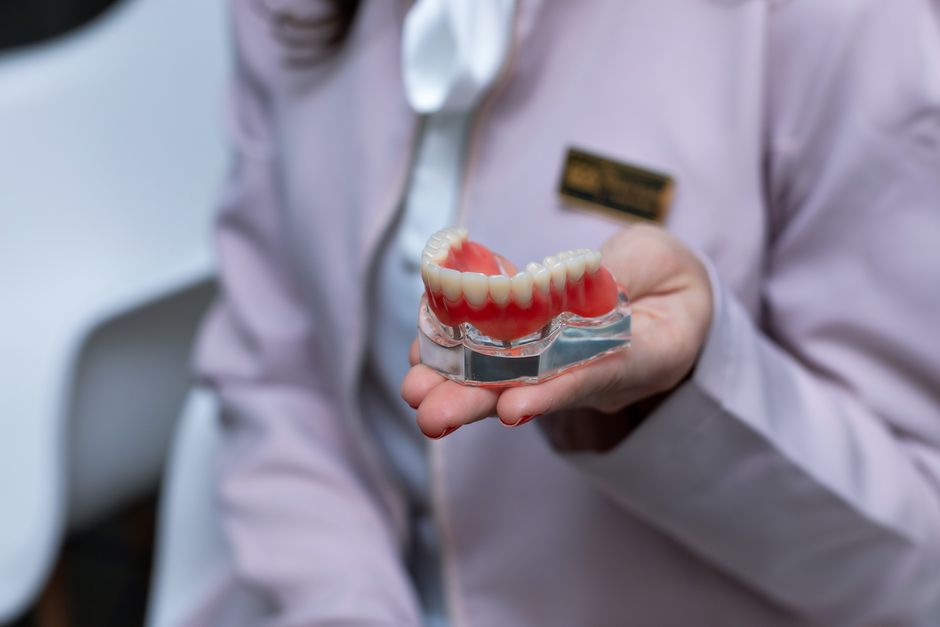
Cosmetic dentures in the United States typically cost between $1,000 and $5,000 per arch, with most single-arch sets falling in the $1,500 to $2,500 range. Full sets (both upper and lower) commonly run $2,000 to $8,000. The final price depends on the type of denture, the materials used, the number of office visits, and where you live. Insurance usually covers little or none of the cosmetic portion.
That range is wide because “cosmetic dentures” is not one product. It describes a category that includes standard acrylic dentures made to look more natural, premium materials, implant-supported options, and immediate dentures placed the same day as tooth removal. Each carries a different price and a different set of trade-offs.
How Much Do Cosmetic Dentures Cost by Type?
Prices vary by material, fit, and complexity. The ranges below reflect what dental practices across the US commonly charge, based on publicly reported fee surveys and dental school cost data. These are not fixed prices. A single practice in a high-cost city may charge well above these figures.
- Standard acrylic dentures: $600 to $1,500 per arch. Basic materials, standard fit.
- Premium or “cosmetic” acrylic dentures: $1,200 to $3,000 per arch. Higher-quality teeth, better shading, more natural gum contour.
- Flexible or metal-free dentures: $1,500 to $3,500 per arch. Lighter and more comfortable for some wearers, but not always repairable.
- Implant-supported overdentures: $3,500 to $10,000+ per arch. Requires implant surgery.
- Full-mouth implant fixed dentures: $15,000 to $50,000+ for both arches. This is a surgical reconstruction, not a removable denture.
The word “cosmetic” in dentistry usually refers to appearance rather than medical necessity. That distinction matters for insurance, which we will cover below.
What Makes Cosmetic Dentures More Expensive Than Standard Ones?
The price difference comes down to materials, customization, and time. A standard denture uses pre-made acrylic teeth in a limited range of shades. A cosmetic denture uses higher-grade teeth that mimic natural enamel translucency, plus gum-colored acrylic shaped to look like real tissue.
Custom shading is a major cost driver. The technician matches tooth color to your skin tone, age, and remaining teeth. This takes more lab time and more back-and-forth with your dentist. Some practices also use a trial denture stage where you preview the look before the final version is made. That extra step adds cost but reduces the chance you dislike the result.
Fit precision also plays a role. A denture that sits well requires accurate impressions and sometimes multiple adjustments. Digital scanning and 3D-printed dentures are increasingly common, and pricing for these varies widely because the technology is still spreading through practices at different rates.
Does Dental Insurance Cover Cosmetic Dentures?
Most dental insurance plans classify dentures as a major restorative service and cover 50 percent of the cost, up to an annual maximum. That maximum is often $1,000 to $1,500 per year. If your denture costs $2,500, insurance may pay $1,000 and you pay the rest.
The catch is the word “cosmetic.” If the denture is needed to replace missing teeth for function, it is usually covered as a prosthetic. If it is purely for appearance and you still have healthy teeth, it is typically not covered at all.
Medicare generally does not cover routine dental care, including dentures, under original Medicare. Some Medicare Advantage plans include dental benefits, but coverage rules vary by plan. Medicaid coverage for dentures varies by state, and many states offer limited or emergency-only dental benefits for adults.
Dental schools often provide dentures at significantly lower cost than private practices, sometimes 50 percent less or more. The trade-off is longer appointment times and treatment performed by supervised students.




What Ongoing Costs Should You Expect After Getting Dentures?
The initial price is not the only cost. Dentures need maintenance, and those costs add up over years.
- Adjustments: Often free in the first few weeks, then $50 to $150 per visit afterward.
- Relining: $300 to $600. Needed when the denture loosens as your jawbone changes.
- Rebasing: $400 to $800. Replaces the base material while keeping the teeth.
- Repairs: $100 to $400 for a cracked or broken denture.
- Replacement: $1,000 to $3,000+ per arch. Most dentures last five to ten years with good care.
- Adhesive: $10 to $30 per tube, used regularly by many wearers.
Bone loss is the reason dentures need relining and eventual replacement. When teeth are removed, the jawbone that held them no longer receives the stimulation it needs to maintain density. Over time the bone shrinks, the denture no longer fits, and it starts to move when you talk or eat. This is a well-documented process, not a sign that something went wrong.
Are Implant-Supported Dentures Worth the Higher Cost?
Implant-supported dentures cost far more upfront, but they solve a problem that removable dentures cannot. Implants are titanium posts surgically placed in the jawbone. They hold the denture in place and, importantly, they stimulate the bone the way natural tooth roots do.
Research consistently shows that implant-supported dentures improve chewing ability and stability compared with conventional removable dentures. Some studies also suggest they slow bone loss in the jaw, though the degree of that benefit and how long it lasts are still being studied.
The trade-offs are real. Implant surgery carries risks including infection, nerve injury, and implant failure. Not everyone is a candidate. Bone volume, overall health, smoking status, and certain medical conditions all affect whether implants will work. The process also takes months from start to finish, and the cost can be several times that of a standard denture.
Whether the higher cost is “worth it” depends on your priorities, your health, and your budget. That is a conversation to have with a dentist who can assess your specific situation, not a decision to make from a price list alone.
How Can You Reduce the Cost of Cosmetic Dentures?
There are legitimate ways to lower the price without sacrificing quality. The key is knowing where to look.
- Dental schools: Supervised students provide care at reduced rates. Treatment takes longer.
- Community health centers: Some offer sliding-scale fees based on income.
- Dental insurance maximums: Time a major procedure early in the plan year so you have the full annual maximum available.
- Payment plans: Many practices offer in-house financing or work with third-party lenders.
- FSA or HSA funds: Dentures are generally eligible medical expenses for these accounts.
- Second opinions: Get at least two quotes. Prices for the same procedure can vary significantly between practices in the same city.
Be cautious of unusually low prices advertised online or through mail-order denture services. A denture that does not fit properly can cause sores, speech problems, and jaw pain, and fixing it may cost more than the original savings. There is no clinical evidence that direct-to-consumer dentures produce the same outcomes as properly fitted ones made by a dentist.
What Should You Ask Before Committing to a Price?
A quoted price often does not include everything. Before you agree, ask what the fee covers and what it does not. Extractions, X-rays, impressions, adjustments, and the final fitting may be billed separately.
Ask specifically whether the price includes the trial denture stage if you are getting a cosmetic set. Ask how many adjustment visits are included and what happens if the denture needs a reline within the first year. Ask about the warranty on the materials and the workmanship.
Also ask about the dentist’s experience with cosmetic cases. Dentures that look natural require skill in both the clinical and laboratory steps. A dentist who makes few dentures may not have the same eye for shading and fit as one who does it regularly.
Finally, get the full estimate in writing. Verbal quotes leave room for confusion when the final bill arrives.
Frequently Asked Questions
How much do cosmetic dentures cost for a full set?
A full set of cosmetic dentures typically costs between $2,000 and $8,000 for both arches. Implant-supported full sets can exceed $15,000 because they involve surgery.
Does insurance pay for cosmetic dentures?
Insurance may cover part of the cost if the denture replaces missing teeth for function, usually around 50 percent up to an annual maximum. Purely cosmetic dentures for appearance are generally not covered.
Are cosmetic dentures worth the extra cost over standard dentures?
They look more natural because of better tooth shading and gum contouring, but they function the same as standard dentures. Whether the appearance is worth the higher price is a personal decision.
How long do cosmetic dentures last?
Most dentures last five to ten years before needing replacement. Jawbone changes over time cause them to loosen, which is why relining and eventual replacement are expected.
