
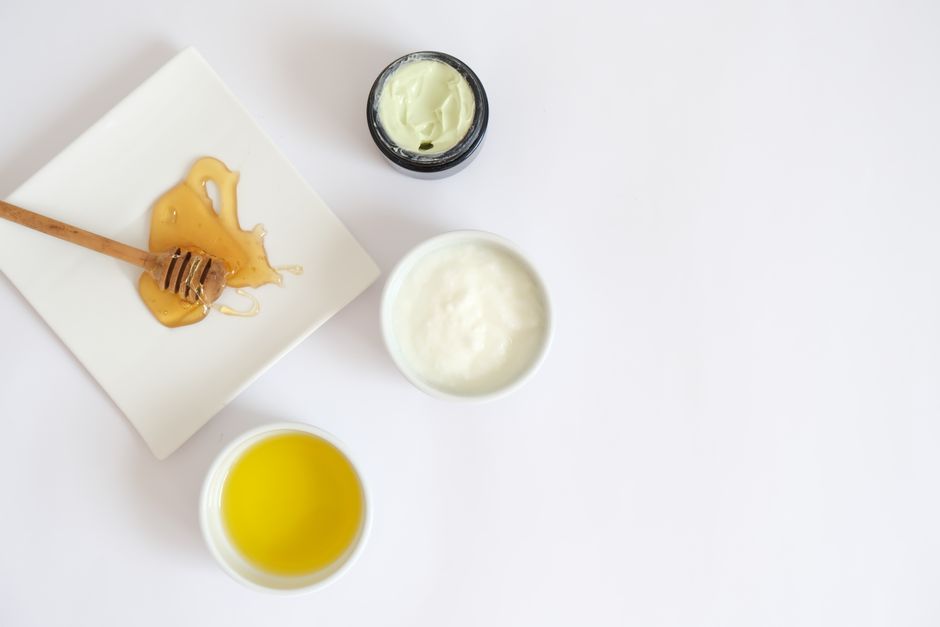
Honey is a whole food, but not in the way most people think. It is a single-ingredient food that undergoes minimal processing before it reaches your kitchen. Unlike refined sugar, which is stripped down to pure sucrose, honey retains the complex mix of compounds that bees create from flower nectar. That said, calling it a whole food does not make it a free pass to eat it without limits. Honey is still primarily sugar, and your body processes it as such.
What Makes a Food a Whole Food?
A whole food is generally defined as food that is unprocessed or minimally processed. It has not been broken down into isolated components. An apple is a whole food. Apple juice is not. Steel-cut oats are a whole food. Instant oatmeal with added flavors is not.
By that definition, honey qualifies. It is produced by bees, extracted from the hive, and strained to remove debris like wax and bee parts. Some commercial honey is pasteurized to prevent crystallization and kill yeast. But pasteurization does not strip honey down to a single compound the way refining turns sugarcane into white sugar.
Raw honey goes through even less handling. It is strained but not heated. It may contain trace amounts of pollen, propolis, and enzymes that are naturally present in the hive. Those trace components are part of what makes honey more than just a sweetener.
How Honey Is Really Classified
Regulatory agencies classify honey by its source and how it is processed. The U.S. Food and Drug Administration requires that a product labeled “honey” must be made by bees from nectar. It cannot have added sweeteners, syrups, or flavorings. If a product contains those additions, it must be labeled as a blend or an imitation.
There are two main categories you will see at the store: raw honey and regular honey. Raw honey is minimally filtered and not heated above natural hive temperatures. Regular honey is typically pasteurized at around 145°F to slow crystallization and extend shelf life. Pasteurization also destroys some of the natural enzymes and may reduce certain antioxidant compounds.
Another distinction is botanical origin. Clover honey comes from clover blossoms. Manuka honey comes from the manuka bush in New Zealand and Australia. Buckwheat honey comes from buckwheat flowers. The source affects the color, flavor, and nutrient profile, but all of them are still whole foods.
What Is Actually in Honey
Honey is roughly 80 percent sugar and 17 to 18 percent water. The remaining two to three percent contains a wide range of minor compounds. Those include amino acids, vitamins like B6 and niacin, minerals like potassium and magnesium, and antioxidants such as flavonoids and phenolic acids.
The sugar content is not a single type. Honey contains fructose, glucose, maltose, and sucrose in varying ratios depending on the floral source. Fructose and glucose are the main ones. This combination affects how quickly honey raises blood sugar.
Honey has a lower glycemic index than table sugar in most varieties, but the difference is modest. Glycemic index measures how quickly a carbohydrate-containing food raises blood glucose. Table sugar scores around 60 to 65. Most honey varieties score between 45 and 64, with acacia honey on the lower end and darker honeys like buckwheat on the higher end.




How Honey Compares to Refined Sugar
Honey and refined white sugar are both mostly carbohydrates. The key difference is what comes along with those carbohydrates.
- White sugar is 100 percent sucrose. It contains no vitamins, minerals, or antioxidants.
- Honey contains small amounts of minerals and a variety of antioxidant compounds.
- Honey has a slightly lower glycemic index than table sugar in most varieties.
- Honey is sweeter than sugar, so you can use less of it to achieve the same sweetness.
None of this makes honey a health food in the way vegetables or legumes are. The mineral content is trace. You would need to eat an unrealistic amount of honey to get meaningful nutrition from it. And doing that would mean consuming a very large amount of sugar.
Is Honey Healthier Than Sugar
Honey is marginally better than refined sugar, but the difference is small. Some research suggests honey has antioxidant and antibacterial properties. Studies have shown that certain honeys, particularly darker varieties and manuka honey, contain compounds that can inhibit bacterial growth in laboratory settings.
However, no large human trials have confirmed that eating honey as a food provides meaningful health benefits beyond what you would get from other plant-based foods. The antioxidant content in honey is real but modest. You would get far more antioxidants from a serving of berries, nuts, or dark leafy greens.
The main advantage of honey over sugar is not what it adds, but what it does not do. Honey does not cause the same rapid spike and crash in blood sugar that some refined sugars do, though the difference is small. And because honey is sweeter, you can use less of it.
The evidence is clear on one point: honey is still added sugar. The American Heart Association recommends limiting added sugar to no more than 6 teaspoons per day for women and 9 teaspoons per day for men. Honey counts toward that limit. Your body does not distinguish between the fructose in honey and the fructose in high-fructose corn syrup when it comes to metabolic effects.
Raw Honey vs Regular Honey
Raw honey has become popular in recent years, and some claims about it are accurate while others are overstated.
Raw honey does contain more pollen and trace enzymes than pasteurized honey. Some research suggests raw honey retains higher levels of antioxidants than heat-treated honey. This is biologically plausible because heat can degrade heat-sensitive compounds.
What raw honey does not do is provide significant allergy relief. The theory is that consuming local pollen can desensitize you to allergens. But the pollen that triggers seasonal allergies comes from wind-pollinated plants like ragweed and grasses. Bee-pollinated flowers produce heavier pollen that is less likely to be the cause of your symptoms. No clinical evidence currently confirms that eating raw honey reduces hay fever symptoms.
Raw honey also carries a small risk. It can contain spores of Clostridium botulinum. Infants under one year old should never be given honey, raw or pasteurized, because their digestive systems cannot handle these spores. This can cause infant botulism, a serious condition. For older children and healthy adults, the spores are not a concern because stomach acid and the mature digestive tract neutralize them.
How to Choose a Quality Honey
If you want honey that is genuinely a whole food, read the label carefully. The ingredient list should say exactly one word: honey. If it lists anything else, it is not pure honey.
Look for honey that is labeled raw if you want the least processed option. Raw honey may crystallize over time. This is a natural process and does not mean the honey has gone bad. You can return it to liquid form by placing the jar in warm water, not boiling water, which would destroy beneficial compounds.
Local honey is not nutritionally superior to honey from other regions, but it supports local beekeepers and may be less likely to be adulterated. Manuka honey is marketed as a premium product with unique antibacterial properties. It does contain a compound called methylglyoxal that has demonstrated antibacterial activity in laboratory studies. But it is expensive, and the evidence for its superiority as a food is limited.
Regardless of which honey you choose, treat it as a sweetener. A teaspoon of honey contains about 21 calories and about 6 grams of sugar. It is a more interesting sweetener than white sugar, but it is not a nutritional supplement.
Can Honey Be Part of a Healthy Diet
Yes, honey can absolutely be part of a healthy diet. The key is portion control.
Using a small amount of honey to sweeten tea, yogurt, or oatmeal is reasonable. Drizzling honey over fruit or adding it to salad dressings is fine. The problem starts when honey is consumed in large amounts or added to foods that are already sweet.
Honey is not a superfood. It is a whole food with a few minor nutritional advantages over refined sugar. It contains antioxidants, it is sweeter so you can use less, and it has a slightly gentler effect on blood sugar. But at its core, it is concentrated sugar, and your body processes it that way.
If you are choosing between honey and refined sugar, honey is the better option. If you are choosing between honey and a piece of fruit, the fruit is the better option. Whole foods like fruits and vegetables provide fiber, water, and far more nutrients per calorie than honey ever will.
Frequently Asked Questions
Is honey considered a whole food?
Yes, honey is a whole food because it is a single-ingredient food that undergoes minimal processing. It is not broken down or refined into isolated components the way white sugar is.
Is raw honey better than regular honey?
Raw honey retains more antioxidants and trace enzymes because it is not heated. The difference is modest, and both types are still primarily sugar.
Can diabetics eat honey?
Honey still raises blood sugar and should be counted as added sugar in a diabetic meal plan. Some varieties have a slightly lower glycemic index than table sugar, but the difference is small.
Why can’t babies eat honey?
Honey can contain spores of Clostridium botulinum, which infants under one year old cannot digest safely. This can cause infant botulism, a serious illness.
