
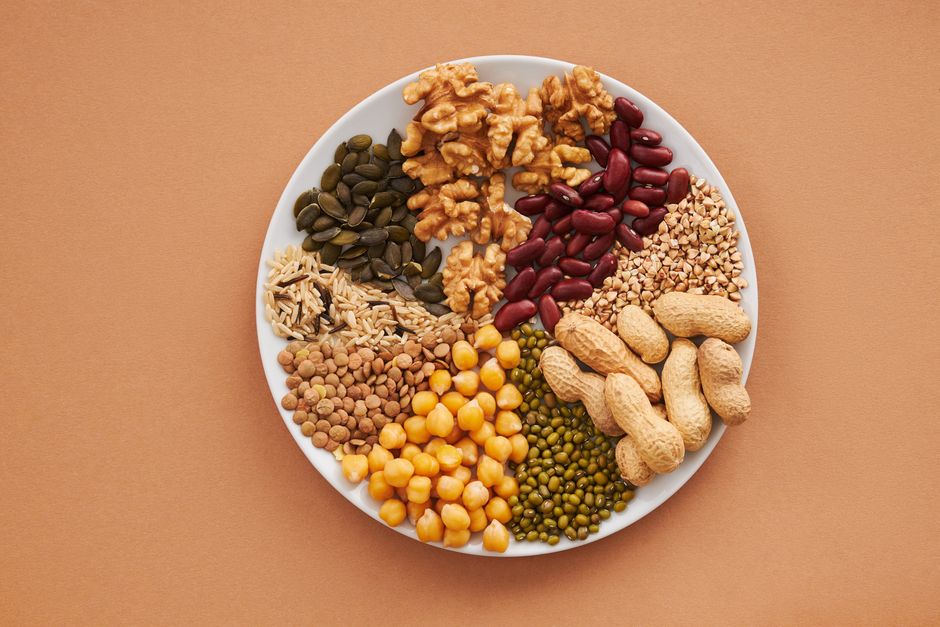
Whole food protein comes from foods that are minimally processed or not processed at all. Think chicken breast, eggs, lentils, quinoa, and plain Greek yogurt rather than powders, bars, or shakes. It matters because the way your body digests and uses protein from whole foods is different from how it handles isolated protein supplements, and that difference affects your health in ways most people do not realize.
What Is Whole Food Protein Exactly?
Whole food protein is protein that comes directly from animal or plant sources with little to no processing. A whole food still contains its natural matrix of nutrients. That matrix includes fiber, fats, vitamins, minerals, and water. All of these work together when you eat them.
Compare a grilled salmon fillet to a scoop of fish oil and a protein shake. The salmon delivers protein plus omega-3s, vitamin D, selenium, and B vitamins in a form your body evolved to handle. The shake delivers isolated protein stripped of everything else.
This is not about good versus bad. It is about understanding what you are actually getting. The USDA defines whole foods as those that have not been refined or processed in any significant way. Protein from these sources retains its original structure and nutrient profile.
How Does Whole Food Protein Differ From Protein Supplements?
The main difference is the nutrient package that comes along for the ride. When you eat 30 grams of protein from chicken, you also get iron, zinc, and B12. When you drink 30 grams of protein from a powder, you get mostly protein and whatever the manufacturer added back in.
Absorption rate also differs. A study published in the American Journal of Clinical Nutrition found that whole food protein sources like milk and meat are digested more slowly than isolated proteins. This slower digestion keeps amino acid levels steady in your blood for longer. That matters for muscle repair and satiety.
Protein powders are often digested and absorbed within one to two hours. Whole food proteins can take three to five hours. That gradual release means your body has a steady supply of building blocks rather than a spike and crash.
There is also the issue of processing. Many protein powders undergo high heat, chemical extraction, or acid treatment. These processes can damage the protein structure and create compounds your body does not handle well. Whole foods skip all of that.
What Does Research on Whole Food Protein Show?
Research consistently shows whole food protein supports better long-term health outcomes than relying on supplements. A 2017 study in Nutrients followed older adults and found that those who got most of their protein from whole foods had better muscle mass and function than those who relied on supplements.
The same study noted that whole food protein sources provide leucine more effectively. Leucine is the amino acid that triggers muscle protein synthesis. You need about 2 to 3 grams of leucine per meal to stimulate muscle repair. A 4-ounce chicken breast gives you about 2 grams. You would need a large scoop of most protein powders to match that.
Another area where research is clear is weight management. A 2020 meta-analysis in Obesity Reviews found that whole food protein sources led to greater feelings of fullness compared to liquid protein supplements. People who ate whole food protein at breakfast ate fewer calories later in the day. That effect was consistent across multiple studies.
Blood sugar control also improves with whole food protein. The fiber and fat present in whole food sources slow down digestion and prevent rapid glucose spikes. Protein powders, especially those mixed with water, hit the bloodstream fast and can cause a sharper insulin response.
Some researchers argue that the benefits of whole food protein go beyond just the protein itself. The term “food matrix” describes how nutrients interact inside a whole food. For example, the casein protein in milk behaves differently when consumed as milk versus when it is isolated into a powder. The matrix changes how your body uses it.





Does Whole Food Protein Build Muscle as Well as Supplements?
This is where the evidence gets interesting. For immediate post-workout muscle repair, protein powders can work just as well as whole foods. A 2013 study in the Journal of the International Society of Sports Nutrition compared whole eggs to egg whites and found no difference in muscle protein synthesis between whole eggs and egg white powder when protein content was matched.
However, the whole eggs had additional benefits. They increased the availability of other amino acids and fat-soluble nutrients that the powder did not provide. The muscle-building response was similar in the short term, but the whole food group got more overall nutritional value.
For everyday muscle maintenance, whole food protein appears superior. A 2018 study in Frontiers in Nutrition looked at older adults at risk of muscle loss. Those who ate whole food protein sources throughout the day maintained lean mass better than those who drank protein shakes. The researchers suggested the fiber and micronutrients in whole foods support muscle health indirectly by improving digestion and reducing inflammation.
The timing argument also matters. People who rely on protein shakes often drink one shake and call it done. People who eat whole food protein tend to spread their intake across meals. That even distribution is what matters most for muscle health, not the source alone.
Here is a quick comparison of common protein sources and what else they provide:
| Food | Protein (per 100g) | Key Additional Nutrients |
|---|---|---|
| Chicken breast | 31g | B6, niacin, selenium, phosphorus |
| Eggs (whole) | 13g | Choline, vitamin D, B12, healthy fats |
| Lentils (cooked) | 9g | Fiber, folate, iron, magnesium, potassium |
| Greek yogurt (plain) | 10g | Calcium, probiotics, B2, B12 |
| Whey protein powder | 80g | Usually only protein, some added vitamins |
What Are the Practical Benefits of Choosing Whole Food Protein?
Satiety is the biggest day-to-day advantage. Whole food protein comes with fiber or fat, both of which slow stomach emptying. You feel full longer. This is not a small thing. A 2019 study in Appetite found that people who ate a whole food protein breakfast consumed 135 fewer calories at lunch compared to those who had a protein shake with the same protein content.
Digestive health also improves. Whole food protein sources, especially plant-based ones, contain fiber that feeds your gut bacteria. A healthy gut microbiome is linked to better immune function, lower inflammation, and even improved mood. Protein powders contain little to no fiber.
Cost is another factor. A pound of chicken breast costs around four to five dollars and provides about 100 grams of protein. A tub of protein powder costs 30 to 50 dollars and provides about 30 servings. Per gram of protein, whole food is often cheaper.
Variety matters too. Whole food protein introduces you to different flavors and textures. Eating salmon, eggs, beans, tofu, and yogurt gives you a wider range of nutrients than drinking the same shake every day. That variety supports a healthier gut microbiome and reduces the risk of nutrient gaps.
Here are some simple ways to add more whole food protein to your day without overhauling your diet:
- Add a hard-boiled egg or two to your lunch instead of reaching for a protein bar
- Swap your morning shake for Greek yogurt with berries and nuts
- Use lentils or beans as the base of your dinner instead of relying on meat alone
- Snack on edamame or cottage cheese instead of processed protein snacks
- Add canned salmon or tuna to salads for a quick protein boost
Common Misconceptions About Whole Food Protein
The biggest myth is that you need protein powder to build muscle. This is simply not true. The American College of Sports Medicine states that most people can meet their protein needs through diet alone. Only athletes in heavy training or people with medical conditions that limit food intake may benefit from supplements.
Another misconception is that plant-based whole food protein is incomplete. This idea comes from old research that has been widely misunderstood. All plant foods contain all essential amino acids. Some have lower amounts of certain ones, but eating a variety of beans, grains, nuts, and seeds throughout the day covers everything. You do not need to combine foods at the same meal.
Some people believe that whole food protein is harder to digest. The opposite is usually true. The natural enzymes and fiber in whole foods support digestion. Protein powders can cause bloating and gas because they are concentrated and often contain artificial sweeteners or thickeners.
A final myth is that whole food protein is less convenient. It requires some planning, but not much. Hard-boiled eggs last a week in the fridge. Canned beans and fish are shelf-stable. Greek yogurt is a grab-and-go option. The real inconvenience is the marketing that tells you a shake is faster when a piece of cheese and an apple takes the same amount of time.
As of 2026, there is no clinical evidence that whole food protein is inferior to supplements for general health. For most people, it is superior.
Frequently Asked Questions
Can I get enough protein from whole foods alone?
Yes, most adults can meet their protein needs through whole foods without any supplements. A balanced diet with meat, eggs, dairy, beans, or tofu provides more than enough protein for the average person.
Is whole food protein better for weight loss?
Research shows whole food protein supports weight loss better than supplements because it increases fullness and reduces overall calorie intake at later meals.
Do athletes need protein powder or can they use whole foods?
Most athletes can meet their protein needs with whole foods. Protein powders may be convenient immediately after intense training, but they are not necessary for performance or recovery.
Are plant-based whole food proteins as good as animal-based ones?
Both are effective. Plant proteins come with fiber and antioxidants while animal proteins provide B12 and heme iron. Eating a variety of both types gives you the widest range of nutrients.
