
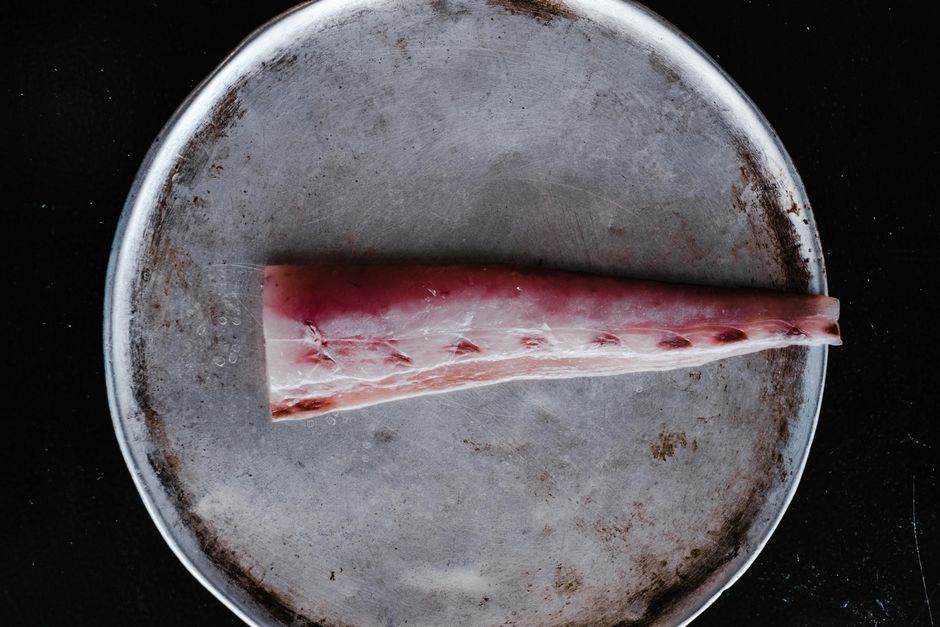
Hamachi, also known as Japanese amberjack or yellowtail, is a popular fish in sushi restaurants and home kitchens. Many people enjoy its rich, buttery flavor without thinking twice about its mercury content. The direct answer is that hamachi is a moderate-mercury fish. It is not in the highest mercury category like shark or swordfish, but it is not a low-mercury fish either. For most healthy adults, eating hamachi occasionally is considered safe, but there are important limits for pregnant women and young children.
What Exactly Is Hamachi?
Hamachi is the Japanese name for the young adult stage of the greater amberjack fish, scientifically known as Seriola quinqueradiata. In the United States, it is often labeled simply as yellowtail or Japanese yellowtail. This fish is farm-raised in many parts of the world, particularly in Japan and Australia, which affects its diet and therefore its mercury levels.
It is important to distinguish hamachi from other fish sometimes called yellowtail. In the U.S., the term “yellowtail” can refer to several different species, some of which have different mercury profiles. The hamachi you find in sushi restaurants is almost always the Japanese amberjack.
Is Hamachi High In Mercury And Is It Safe To Eat?
Hamachi falls into the moderate mercury category. The U.S. Food and Drug Administration groups fish into three categories based on mercury levels: best choices, good choices, and choices to avoid. Hamachi is not listed explicitly in these categories, but related amberjack species are generally considered moderate-mercury fish.
For comparison, fish like salmon, sardines, and shrimp are low in mercury. Fish like shark, swordfish, and king mackerel are high in mercury. Hamachi sits somewhere in the middle. This means it carries more mercury than a piece of salmon but significantly less than a piece of swordfish.
For healthy adults, eating hamachi occasionally is generally considered safe. The concern arises with frequency and portion size. Eating hamachi once a week as part of a varied diet is unlikely to cause problems for most people. The risk increases if you eat it daily or in very large portions.
How Mercury Gets Into Fish
Mercury enters the ocean through natural sources like volcanic activity and through industrial pollution. Once in the water, it is converted by bacteria into methylmercury, a toxic form that builds up in the food chain.
Small fish absorb methylmercury from the water and from eating tiny organisms. When larger fish eat those smaller fish, they absorb the mercury too. Because mercury is stored in muscle tissue and is not easily eliminated, it accumulates over time. This process is called biomagnification.
Larger predatory fish that live longer and eat other fish tend to have the highest mercury levels. Hamachi is a predatory fish, which is why its mercury levels are higher than those of small, short-lived fish like anchovies. However, hamachi does not reach the size of apex predators like sharks, so its mercury levels stay in the moderate range.





Farm-Raised Versus Wild Hamachi
Most hamachi available in the U.S. is farm-raised. This matters for mercury content because farmed fish are fed controlled diets. Some farms use feed that contains lower-mercury fish meal, which can result in lower mercury levels in the final product.
However, the difference is not dramatic. Studies have shown that farmed amberjack can still accumulate mercury because fish meal itself often contains fish that carry mercury. Some research suggests that farmed hamachi may have slightly lower mercury levels than wild-caught hamachi, but both remain in the moderate range.
There is no reliable way for a consumer to know the exact mercury level of the hamachi they are buying. Neither the FDA nor any federal agency requires mercury labeling on individual fish products. The best approach is to treat all hamachi as a moderate-mercury fish regardless of whether it is farmed or wild.
Who Should Limit Hamachi Consumption
The FDA and the Environmental Protection Agency have issued clear guidelines about fish consumption for sensitive populations. These guidelines are based on extensive research and are designed to protect developing brains and nervous systems.
Pregnant women should limit hamachi consumption to no more than one serving per week. A serving is typically about 4 ounces, roughly the size of a deck of cards. The same guidance applies to women who are breastfeeding.
Children should eat smaller portions. For children, the FDA recommends starting with 1-ounce portions for younger children and adjusting based on age and body size. Children should not eat hamachi more than once a week.
Women who may become pregnant should follow the same guidance as pregnant women. This is because mercury stays in the body for months, and it is safest to reduce exposure before conception.
People who eat fish multiple times per week should choose low-mercury options like salmon, sardines, or freshwater trout more often than moderate-mercury fish like hamachi.
Health Benefits of Eating Hamachi
Despite the mercury concern, hamachi offers genuine nutritional benefits. It is an excellent source of protein, providing about 20 grams per 3-ounce serving. It is also rich in omega-3 fatty acids, which are important for heart and brain health.
Hamachi contains significant amounts of vitamin D, selenium, and B vitamins. Selenium is particularly interesting because some research suggests it may help counteract some of the toxic effects of mercury. However, this is not a reason to ignore mercury limits. The protective effect of selenium is not fully understood, and it does not eliminate the risks.
The balance of benefits and risks is the same for hamachi as for most moderate-mercury fish. The nutritional value is real, but it does not outweigh the mercury concern for sensitive populations. For healthy adults, the benefits generally justify occasional consumption.
Comparing Hamachi to Other Sushi Fish
Sushi lovers often wonder how hamachi compares to other popular sushi choices. Here is a practical comparison based on general mercury categories.
| Fish | Mercury Level | Sushi Name |
|---|---|---|
| Salmon | Low | Sake or salmon |
| Yellowtail (hamachi) | Moderate | Hamachi or buri |
| Tuna (bluefin) | High | Maguro or toro |
| Eel | Moderate | Unagi |
| Mackerel | Moderate | Saba |
This table shows that hamachi is not the highest-mercury fish on a typical sushi menu, but it is also not the lowest. Tuna, especially bluefin and bigeye, carries more mercury. Salmon is a better choice if you want to minimize mercury exposure.
It is also worth noting that sushi portion sizes are often smaller than a standard serving. A typical sushi roll contains about 1-2 ounces of fish. This means you would need to eat several hamachi rolls to reach the 4-ounce serving that the FDA uses for its guidelines.
How Often Can You Safely Eat Hamachi
For a healthy adult who is not pregnant and does not eat other high-mercury fish regularly, eating hamachi once a week is a reasonable limit. Some experts suggest eating it less often, perhaps once every two weeks, to build in a margin of safety.
The key is to think about your total mercury intake from all fish, not just hamachi. If you eat tuna on Monday and hamachi on Friday, you have consumed more mercury than if you ate salmon on Monday and hamachi on Friday. Variety matters.
There is no universally agreed-upon safe level of mercury in the body. The FDA uses an action level of 1 part per million in commercial fish, but this is a regulatory threshold, not a health guideline. The health-based guidance focuses on limiting exposure rather than measuring blood levels.
If you are concerned about your mercury exposure, you can ask your doctor about a mercury blood test. This test is not routine, but it is available. It is most useful for people who eat fish very frequently or who have symptoms that might be related to mercury exposure.
Signs of Mercury Toxicity
Mercury toxicity from eating fish is rare, but it does happen. The symptoms usually develop gradually and can be subtle at first. They include numbness or tingling in the hands and feet, muscle weakness, fatigue, and difficulty concentrating.
More serious symptoms include vision problems, hearing loss, and difficulty walking. These symptoms are more likely in people who eat very large amounts of high-mercury fish over many months or years. A few pieces of hamachi sushi will not cause these symptoms.
If you experience these symptoms and eat fish frequently, it is worth discussing with your doctor. A blood test can determine whether your mercury levels are elevated. In most cases, simply reducing fish intake allows mercury levels to return to normal over several months.
Sustainable Hamachi Choices
Beyond mercury, some consumers care about the environmental impact of their seafood choices. Hamachi farming has both positive and negative aspects. Some farms use sustainable practices, while others contribute to water pollution or rely on wild-caught fish for feed.
The Monterey Bay Aquarium Seafood Watch program has rated some amberjack fisheries as good alternatives and others as avoid. The ratings vary by region and farming method. If sustainability is important to you, look for hamachi that carries a certification from a recognized program like the Marine Stewardship Council or Aquaculture Stewardship Council.
These certifications are not related to mercury content. A sustainable hamachi is not necessarily lower in mercury. You need to consider both factors separately when making your choice.
Frequently Asked Questions
Is hamachi safe to eat raw in sushi?
Yes, hamachi is commonly eaten raw in sushi and is generally safe when handled properly. The main risk from raw fish is bacterial or parasitic infection, not mercury, and commercial sushi-grade hamachi is frozen to kill parasites before serving.
How much hamachi can I eat per week?
Healthy adults can safely eat up to one 4-ounce serving of hamachi per week. Pregnant women, breastfeeding women, and young children should limit consumption to no more than one serving per week or choose low-mercury fish instead.
Does cooking hamachi reduce its mercury content?
No, cooking does not reduce mercury levels in fish. Mercury is bound to proteins in the muscle tissue, and it remains in the fish whether you eat it raw, grilled, or baked.
Is farmed hamachi lower in mercury than wild hamachi?
Some research suggests farmed hamachi may have slightly lower mercury levels than wild-caught hamachi. However, both remain in the moderate mercury range, and the difference is not large enough to change the consumption guidelines.
