
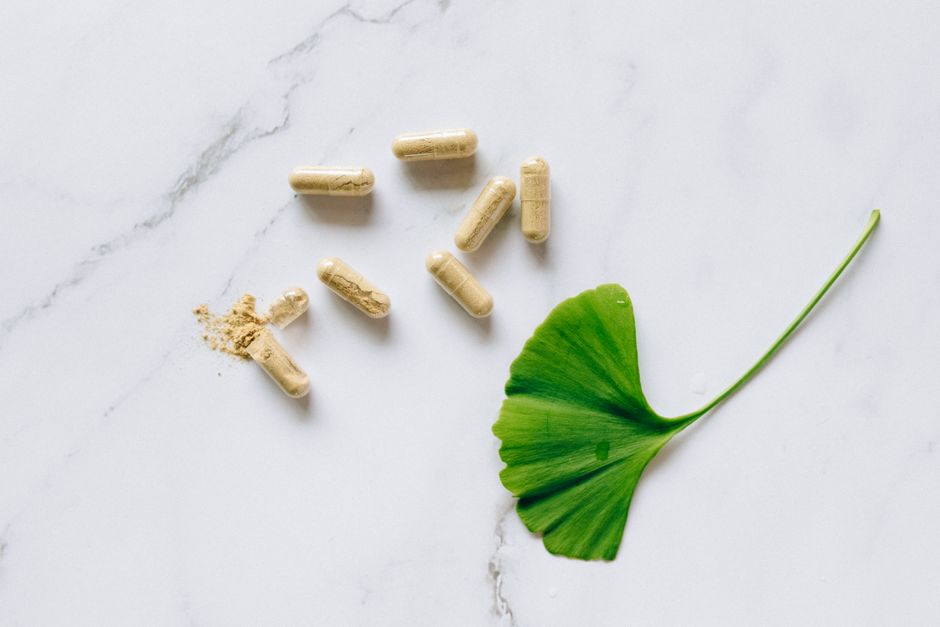
Ginkgo biloba is generally safe for most healthy adults when taken in standard doses, but it carries real risks that many people never hear about. It can increase bleeding risk, interact with common medications, and has been linked to rare but serious side effects. The extract sold in stores is not the same as the raw seeds, which are toxic and should never be eaten.
What Is Ginkgo Biloba and How Is It Used?
Ginkgo biloba comes from the leaves of the ginkgo tree, one of the oldest living tree species on Earth. Extracts made from the dried leaves are sold as capsules, tablets, teas, and tinctures.
The leaves contain two main groups of active compounds: flavonoids and terpene lactones. These compounds affect blood flow and have antioxidant properties. That is the biological basis for most of the health claims you see on supplement labels.
People take ginkgo for many reasons. The most common are memory support, circulation problems, ringing in the ears, and eye health. It has been studied for dementia, intermittent claudication (leg pain from poor circulation), and cognitive decline.
Here is where the marketing and the science part ways. The evidence for most of these uses is weak or mixed. Some studies show small benefits. Others show none. The largest and best-designed trials have generally been disappointing.
That does not mean ginkgo is useless. It means the gap between what it is sold to do and what it has been proven to do is wide.
Is Ginkgo Biloba Safe for Most People?
For healthy adults taking standard doses of leaf extract, ginkgo is usually well tolerated. The most common side effects are mild: headache, dizziness, stomach upset, and sometimes palpitations.
Clinical trials have used doses in the range of 120 to 240 milligrams per day of standardized extract. Those doses have been studied for weeks to months in many trials without major safety signals in healthy participants.
But “usually well tolerated” is not the same as “safe for everyone.” Ginkgo has real risks that deserve attention.
Bleeding risk is the biggest concern. Ginkgo can reduce platelet aggregation, which means it can make your blood less likely to clot. For most people this is not a problem. For people on blood thinners, or those with bleeding disorders, it matters a great deal.
There are case reports of bleeding events in people taking ginkgo, including bleeding in the brain and in the eye. Case reports are not proof of cause, but they are a signal that should not be ignored.
Ginkgo can also interact with many medications. This is not a rare edge case. It is one of the more interaction-prone supplements on the shelf.
Who Should Not Take Ginkgo Biloba?
Some groups should avoid ginkgo entirely, or use it only under medical supervision.
- People taking anticoagulants or antiplatelet drugs, including warfarin, aspirin, clopidogrel, and direct oral anticoagulants
- People with bleeding disorders such as hemophilia or low platelet counts
- People scheduled for surgery or dental procedures, because of bleeding risk
- People taking certain antidepressants, seizure medications, or drugs that affect the liver
- People with epilepsy, because ginkgo has been reported to lower seizure threshold in some cases
- People who are pregnant or breastfeeding
- Children, unless directed by a physician
For pregnancy and breastfeeding, the picture is simple: there is not enough reliable data to call ginkgo safe in these groups. No clinical guidelines currently support its use during pregnancy or lactation. That is not a statement that it is dangerous. It is a statement that the evidence is not there.
For children, the same caution applies. Ginkgo has been studied in adults, not in children, and dosing information for children does not exist in clinical guidelines.
If you take any prescription medication and are considering ginkgo, talk to your pharmacist or doctor first. This is not a formality. It is the single most useful step you can take.





What About the Ginkgo Seeds?
The seeds of the ginkgo tree are a different story from the leaf extract. They contain a compound called ginkgotoxin (4′-O-methylpyridoxine) that can cause serious poisoning.
Eating raw or improperly prepared ginkgo seeds has caused seizures, vomiting, and loss of consciousness. Cases have been reported in both children and adults. In severe cases, poisoning has been fatal.
The leaf extract sold in stores is processed to remove or minimize this compound. That is one reason the two should never be treated as interchangeable.
If you or someone else has eaten ginkgo seeds and develops vomiting, twitching, or seizures, treat it as a medical emergency. Call 911 or Poison Control at 1-800-222-1222 right away.
Does Ginkgo Biloba Actually Work?
This is where honesty matters most. The evidence for ginkgo’s most popular uses is mixed at best.
For memory and dementia prevention, the picture is disappointing. Large, well-designed trials — including the Ginkgo Evaluation of Memory study, published in the Journal of the American Medical Association — found that ginkgo did not prevent dementia or slow cognitive decline in older adults.
For intermittent claudication, some older studies showed modest improvement in walking distance. More recent reviews have been less encouraging. The evidence is inconsistent.
For tinnitus, the evidence does not support benefit. Several trials have found ginkgo no better than placebo for ringing in the ears.
For eye conditions like glaucoma, some small studies suggest possible effects on blood flow, but clinical benefit has not been established.
None of this means ginkgo has no biological activity. It clearly does. The issue is that biological activity in a lab dish does not always translate into meaningful benefit in a human body. That gap is one of the most common sources of supplement hype.
How Does Ginkgo Interact With Medications?
Ginkgo interacts with more drugs than most people realize. The main mechanisms are effects on blood clotting and on liver enzymes that process medications.
Blood-thinning drugs are the biggest concern. Combining ginkgo with warfarin, aspirin, clopidogrel, or similar medications could increase bleeding risk. Whether this interaction is clinically significant in every case is debated, but the safest position is to avoid the combination unless a doctor says otherwise.
Ginkgo may also affect how the liver breaks down certain drugs. This can raise or lower drug levels in the blood, which can change both effectiveness and side effect risk.
Drugs that have been flagged for potential interaction include:
- Anticoagulants and antiplatelet drugs
- Certain antidepressants (including SSRIs and MAOIs)
- Anticonvulsants used for seizures
- Some diabetes medications
- Certain HIV and transplant medications
- St. John’s wort and other herbal supplements that also affect bleeding or liver enzymes
This list is not exhaustive. If you take any prescription medication, the safest move is to check with a pharmacist before starting ginkgo. Pharmacists are trained specifically for this kind of question and can review your full medication list in minutes.
What Dose Is Considered Safe?
Clinical trials have most often used 120 to 240 milligrams per day of standardized ginkgo extract, usually divided into two or three doses. These are the doses that have been studied in adults.
That does not mean higher doses are safe or that lower doses are effective. It means those are the ranges that have been studied. Anything outside them is guesswork.
Standardized extracts list the percentage of flavonoid glycosides and terpene lactones on the label. This matters because unstandardized products can vary widely in what they actually contain. Independent testing has found that some ginkgo supplements on the market do not contain what the label claims, or contain contaminants.
If you choose to take ginkgo, look for a product that lists standardization and has been tested by a third party. That does not guarantee safety or effectiveness, but it reduces the odds of getting something unexpected.
What Are the Signs of a Bad Reaction?
Most people who react badly to ginkgo notice symptoms within hours to days of starting it. The signs to watch for include:
- Unusual bruising or bleeding
- Nosebleeds that are hard to stop
- Blood in urine or stool
- Severe headache or vision changes
- Seizures or unusual muscle twitching
- Severe stomach pain or vomiting
- Signs of an allergic reaction such as rash, swelling, or trouble breathing
If any of these occur, stop taking ginkgo and seek medical attention. Do not wait to see if it gets better on its own. Bleeding in the brain or eye can be serious and time-sensitive.
Stop ginkgo at least two weeks before any scheduled surgery or dental procedure. This is a common recommendation among clinicians based on the bleeding risk, though the strength of the evidence behind the exact timing is limited. Tell your surgeon and anesthesiologist about every supplement you take.
Frequently Asked Questions
Is ginkgo biloba safe to take every day?
For most healthy adults, daily use of standardized leaf extract at studied doses (120–240 mg) is generally well tolerated. It is not safe for everyone — people on blood thinners, with bleeding disorders, or who are pregnant should avoid it.
Can ginkgo biloba cause bleeding?
Yes, ginkgo can reduce platelet aggregation and has been linked to bleeding events in case reports. The risk is highest when combined with anticoagulant or antiplatelet medications.
Is ginkgo biloba safe for older adults?
Older adults are more likely to take blood thinners and other medications that interact with ginkgo, so the risk profile is higher. Talk to a doctor or pharmacist before starting it.
Are ginkgo seeds safe to eat?
No. Ginkgo seeds contain ginkgotoxin and can cause serious poisoning, including seizures and loss of consciousness. They should not be eaten, especially by children.
