
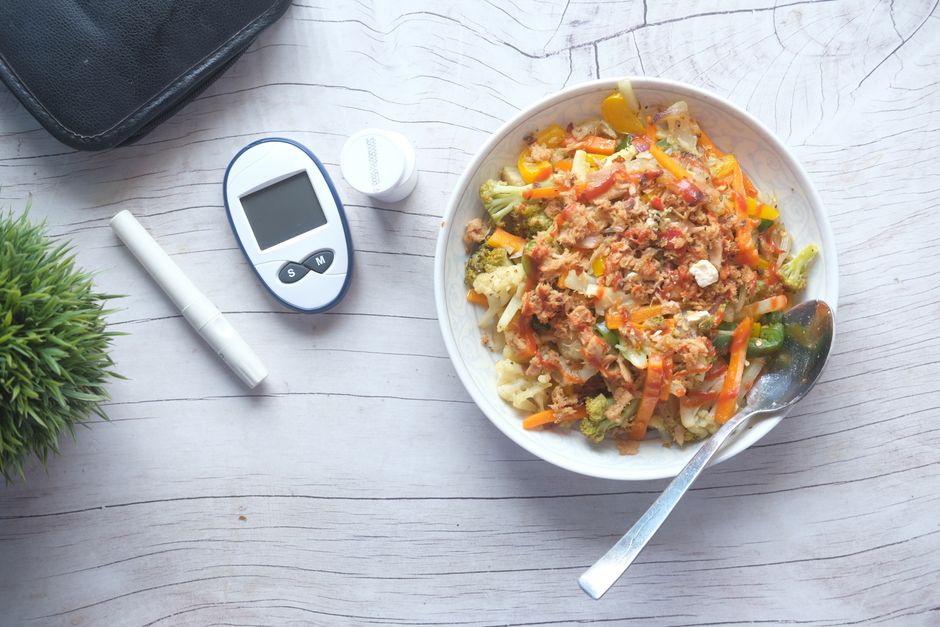
Halibut is one of the better fish choices for people managing diabetes. It contains no carbohydrates, so it will not raise blood sugar on its own. It also delivers high-quality protein, selenium, and omega-3 fats, all of which fit well into a diabetes-friendly eating pattern.
What matters more than the fish itself is how you cook it and what you serve with it. A plain baked halibut fillet and a battered, deep-fried halibut basket are not the same food from a blood sugar standpoint.
Is Halibut Good For Diabetics Nutrition And Blood Sugar?
Yes. Halibut has zero carbohydrates, which means it has no direct effect on blood glucose. That alone makes it a useful protein source for anyone watching blood sugar.
The protein in halibut does something more subtle. Protein slows stomach emptying and can blunt the blood sugar spike from carbohydrates eaten in the same meal. It also promotes satiety, which may help with portion control over the course of a day.
Protein does have a delayed effect on blood sugar in some people. In type 1 diabetes especially, larger protein-heavy meals can cause a slow rise in glucose hours later. This is well documented in diabetes management literature. It is not a reason to avoid fish. It is a reason to check your own glucose response if you use insulin and are adjusting doses.
For most people with type 2 diabetes, a halibut fillet is simply a neutral-to-helpful addition to a meal. It will not spike glucose. It may help steady the response to whatever carbohydrate you eat alongside it.
What Does Halibut Actually Contain?
Halibut is a lean white fish with a dense, meaty texture. Its macronutrient profile is straightforward.
- Protein: roughly 20-23 grams per 3-ounce cooked portion, depending on the cut
- Fat: low overall, with a modest amount of omega-3 fatty acids
- Carbohydrates: zero
- Key minerals: selenium, phosphorus, magnesium, potassium
- Key vitamins: B12, niacin, B6
Those figures come from standard USDA nutrient data for cooked halibut. They vary slightly by species and cut, but the general picture holds.
Atlantic halibut and Pacific halibut differ somewhat in fat content and omega-3 levels. Pacific halibut tends to carry a bit more omega-3. The difference is real but not large enough to change your overall diet strategy.
How Do Omega-3 Fats Fit Into Diabetes Management?
Halibut is not the richest omega-3 fish in the sea. Salmon, mackerel, sardines, and herring carry considerably more. But halibut does contribute some, and that matters.
Omega-3 fats have been studied extensively in diabetes. The evidence on blood sugar control itself is mixed. Some studies suggest modest improvements in triglycerides. Effects on A1C and fasting glucose have been inconsistent across trials.
What is better supported is the cardiovascular angle. People with diabetes face a higher risk of heart disease, and omega-3 intake is associated with cardiovascular benefit in the general population. The picture in diabetes specifically is less clear, but the general direction is favorable.
This is not a reason to treat halibut as medicine. It is a reason to include fish in your rotation a couple of times a week, which most major dietary guidelines for diabetes already recommend.





How Should You Cook Halibut If You Have Diabetes?
Preparation is where a good food can go wrong. The fish itself is fine. The coating, the oil, and the sides are what change the equation.
Baking, grilling, poaching, and pan-searing in a modest amount of oil all work well. These methods keep added carbohydrates near zero and limit added fat.
Breading and deep-frying add refined flour and a large amount of oil. A breaded halibut fillet can carry 15-20 grams of carbohydrate or more from the coating alone. That is a meaningful amount for someone counting carbs.
Sides matter just as much. Halibut with roasted non-starchy vegetables and a small portion of a whole grain is a balanced plate. Halibut with a large serving of white rice and a sweet glaze is a different meal entirely for your blood sugar.
A Simple Plate Framework
- One palm-sized portion of halibut, baked or grilled
- Half the plate filled with non-starchy vegetables
- A quarter plate of a fiber-rich carbohydrate if you are including one
- Olive oil, lemon, and herbs instead of sugary glazes or heavy sauces
This mirrors the plate method many diabetes educators use. It is not a strict rule. It is a reasonable starting point.
Does Halibut Carry Any Risks Diabetics Should Know About?
Mercury is the main concern with any large predatory fish, and halibut is a large predatory fish. It sits higher on the food chain than salmon or sardines, so it accumulates more mercury.
For most adults, occasional halibut is not a concern. The FDA and EPA classify halibut among fish that are safe to eat a few times a month for most people. The guidance is more restrictive for pregnant women, nursing mothers, and young children, who are advised to limit or avoid certain larger fish.
If you are pregnant or breastfeeding, follow the current federal guidance on fish consumption rather than general advice. That guidance is specific and it exists for good reason.
Sodium is a second consideration. Fresh halibut is naturally low in sodium. Smoked, salted, or marinated halibut products can be very high in sodium, which matters if you have high blood pressure alongside diabetes. These two conditions often travel together.
There is no clinical evidence that halibut interacts with diabetes medications. It is a food, not a drug. The only real interaction to watch is the indirect one: a high-protein meal can affect post-meal glucose timing in people using insulin.
How Does Halibut Compare to Other Proteins?
Putting halibut next to common protein choices makes its position clearer.
| Protein (3 oz cooked) | Carbohydrate | Protein | Notes |
|---|---|---|---|
| Halibut | 0 g | ~20-23 g | Lean, some omega-3, moderate mercury |
| Salmon | 0 g | ~22 g | Higher omega-3, lower mercury |
| Chicken breast | 0 g | ~26 g | Lean, no omega-3 |
| Lean beef | 0 g | ~22 g | Higher saturated fat |
| Black beans | ~20 g | ~8 g | Carbohydrate-rich, high fiber |
The comparison shows halibut is a low-carbohydrate, high-protein food that fits easily into a diabetes eating plan. It is not superior to salmon on omega-3 content. It is not superior to chicken on protein density. It is simply a solid option that adds variety.
Variety matters more than most people think. Eating the same three proteins every week is common and it works, but rotating fish, poultry, legumes, and lean meats tends to improve nutrient coverage over time.
Is Halibut a Good Choice for Blood Sugar Control?
Halibut will not lower your blood sugar. No food does that in a meaningful, reliable way outside of treating hypoglycemia. What halibut does is avoid raising it while providing nutrients your body needs.
That is a valuable role. A large part of managing diabetes through diet is about choosing foods that do not work against you. Halibut is one of those foods.
The evidence for fish intake in diabetes is generally favorable but not dramatic. It is not a treatment. It is a component of a dietary pattern that, taken as a whole, supports better glucose control and cardiovascular health.
If you are building meals around lean protein, non-starchy vegetables, and fiber-rich carbohydrates, halibut belongs in that rotation. If you are looking for a single food to fix your blood sugar, no such food exists.
Frequently Asked Questions
Does halibut raise blood sugar?
No. Halibut contains zero carbohydrates, so it does not raise blood glucose directly. Any rise after a meal comes from the other foods you eat with it.
How often can a diabetic eat halibut?
Most adults can eat halibut a few times a month as part of a varied diet. Federal guidance recommends limiting larger predatory fish because of mercury, and halibut falls into that category.
Is halibut better than salmon for diabetes?
Neither is clearly better for blood sugar, since both contain no carbohydrates. Salmon has more omega-3 fat and less mercury, while halibut is leaner and milder in flavor.
Can halibut affect blood sugar hours after eating?
In some people using insulin, large protein-heavy meals can cause a slow glucose rise several hours later. This is documented in diabetes care and is worth monitoring if you adjust insulin doses.
