
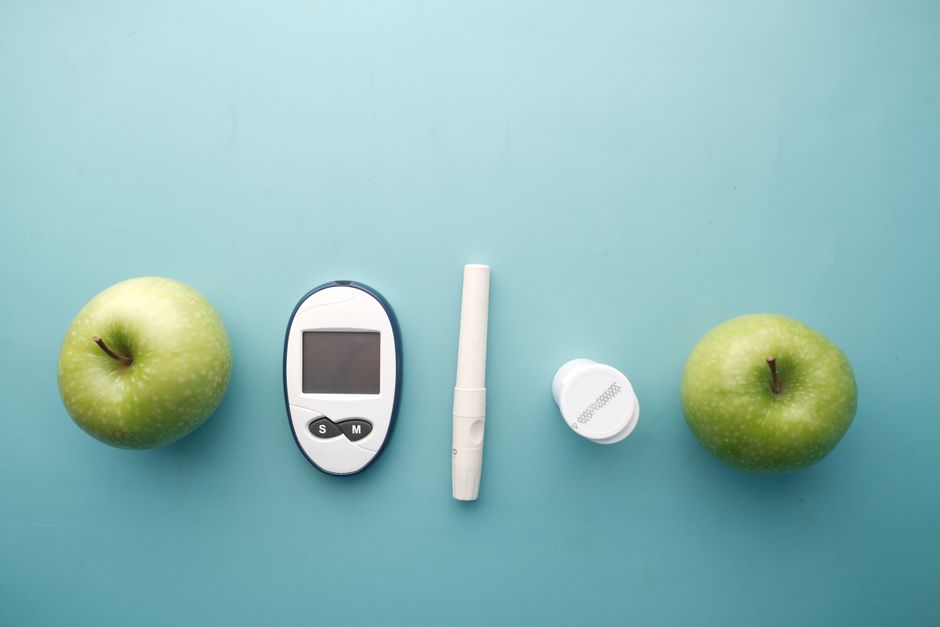
An apple is not a candy bar, and for most people with diabetes it fits comfortably into a well-planned day. The best apples for blood sugar are whole, unpeeled apples — any common variety — eaten as a single medium fruit, ideally paired with protein or fat. Smaller apples and firmer, more tart varieties tend to deliver less sugar per serving, but the bigger factor is how you eat it, not which color you pick.
What matters far more than the type of apple is the form: a whole apple with skin behaves very differently in the body than apple juice, apple sauce, or dried apple rings. Fiber, portion size, and what you eat alongside the apple all shape the blood sugar response. Get those right and the specific variety becomes a minor detail.
What Apples Are Best For Diabetics And Blood Sugar?
There is no single “diabetic apple.” The differences between varieties are real but modest, and they matter less than portion and preparation.
If you want to tilt the odds in your favor, lean toward smaller apples and firmer, more tart varieties. A smaller apple simply contains less total sugar than a large one. Tart apples like Granny Smith tend to have a slightly lower sugar content and a bit more fiber than sweeter varieties such as Fuji or Gala, though the gap is not dramatic.
Here is the part most people miss. The fiber in an apple — especially the soluble fiber pectin in the skin and flesh — slows how quickly the natural sugars are absorbed. That blunting effect is why a whole apple raises blood sugar more gently than the same amount of sugar in liquid form. Remove or break down that fiber structure and you lose much of the benefit.
So the practical answer: choose a whole apple you actually enjoy, keep it to one medium fruit at a time, and eat the skin. Variety is a fine-tuning knob, not the main lever.
Does the Type of Apple Really Change Blood Sugar Response?
Only a little. The natural sugars in apples are a mix of fructose, glucose, and sucrose, and that basic mix does not swing wildly between varieties.
What does vary is total sugar per fruit and fiber content. A large apple can weigh considerably more than a small one, and that difference in size translates directly into more carbohydrate. Two apples of the same variety can differ by a meaningful amount of sugar purely because one is bigger.
Some studies suggest that apples with higher polyphenol content — often the more tart, darker-skinned, or older varieties — may blunt blood sugar spikes slightly more than sweeter types. The evidence is interesting but not strong enough to build firm rules around. Polyphenols are plant compounds with antioxidant properties, and their effect on blood sugar in humans is an active area of research, not a settled one.
The honest position: if you prefer a sweeter apple, eat it. Just watch the size and pair it well. The variety difference is small compared with the difference between eating an apple and drinking apple juice.
Why Whole Apples Beat Juice, Sauce, and Dried Apples
The form of the apple changes everything. This is where blood sugar control is genuinely won or lost.
A whole apple has a low glycemic index, meaning it raises blood sugar slowly and modestly. That is largely because its sugars are packaged inside intact cell walls with fiber. Your body has to work to break that down, so the sugar enters the bloodstream gradually.
Juice strips that structure away. Even unsweetened 100% apple juice delivers sugar quickly because the fiber is gone and the liquid empties from the stomach fast. Apple sauce sits somewhere in between, depending on whether it is chunky or smooth. Dried apples concentrate the sugar into a small, easy-to-overeat package — a handful can equal the carbohydrate of two or three fresh apples.
For anyone managing blood sugar, this hierarchy matters more than variety:
- Whole apple with skin — slowest blood sugar rise, most fiber
- Apple sauce — faster than whole, varies by texture and any added sugar
- Apple juice — fast sugar delivery, little fiber
- Dried apples — concentrated sugar, easy to overeat
If you enjoy apple juice, keep portions small and treat it as you would any sugary drink rather than as a serving of fruit.





How Many Carbs Are in an Apple?
A medium apple with skin contains roughly 25 grams of carbohydrate, about 19 grams of which are sugar, along with around 4 grams of fiber. That lands near 21 grams of net carbohydrate — the carbohydrate left after subtracting fiber, which is the figure many people with diabetes track.
Those numbers shift with size. A small apple may have closer to 15 grams of net carbs, while a very large one can exceed 30. This is the single most useful fact in this whole article: size matters more than variety.
For context, many people with diabetes aim to keep individual meals or snacks within a set carbohydrate range. What that range is depends on the person, their medications, and their blood sugar goals. There is no universal number, and a doctor or dietitian can help set one that fits your situation.
How Should You Eat Apples to Keep Blood Sugar Steady?
Pair the apple with protein or fat, and eat it as part of a meal or planned snack rather than alone. This is the most reliable way to soften the blood sugar response.
A few practical approaches:
- Add a tablespoon of peanut butter or almond butter to apple slices
- Pair apple with plain Greek yogurt or a small handful of nuts
- Slice apple into a salad with olive oil and protein
- Choose a smaller apple and stop at one
Protein, fat, and fiber all slow digestion, which spreads the sugar absorption over a longer window. That means a gentler rise instead of a sharp spike.
Timing is personal. Some people do well with fruit at meals, others prefer it as a snack. Checking your own blood sugar before and about two hours after eating an apple tells you more about your individual response than any general rule. Continuous glucose monitors, if you use one, make this pattern easy to see.
Do Diabetics Need to Limit Fruit?
No. Fruit is part of a healthy eating pattern for most people with diabetes, and cutting it out entirely is not necessary.
Whole fruit is associated with better health outcomes in large population studies, and the fiber, vitamins, and plant compounds in apples are genuinely valuable. The goal is not to avoid fruit but to eat it in forms and portions that work with your blood sugar.
People who may need to be more careful include those with very high blood sugar that is not yet controlled, and anyone using insulin who needs to match carbohydrate intake carefully. If you are in either group, work with your care team on how fruit fits your plan.
There is also a myth worth naming directly. Some viral posts claim that a specific apple variety, or eating apples at a certain time of day, can “reverse” diabetes or replace medication. No study supports that. Apples are a healthy food, not a treatment. Do not stop or change diabetes medication based on anything you read about fruit.
Frequently Asked Questions
Are green apples better than red apples for diabetes?
Green apples like Granny Smith tend to have slightly less sugar and a bit more fiber than sweeter red varieties, but the difference is small. Portion size and eating the whole fruit with skin matter far more than color.
How many apples can a diabetic eat per day?
One medium apple per day fits comfortably into most diabetes eating plans. If you eat more, count each apple toward your daily carbohydrate intake and watch how your blood sugar responds.
Can diabetics eat apples at night?
Yes, an apple can be eaten in the evening, though some people see a higher blood sugar response later in the day. Check your own readings to see how your body handles it.
Is apple juice okay for diabetics?
Apple juice raises blood sugar quickly because it lacks the fiber of a whole apple. If you drink it, keep the portion small and treat it as a sugary drink rather than a fruit serving.
