
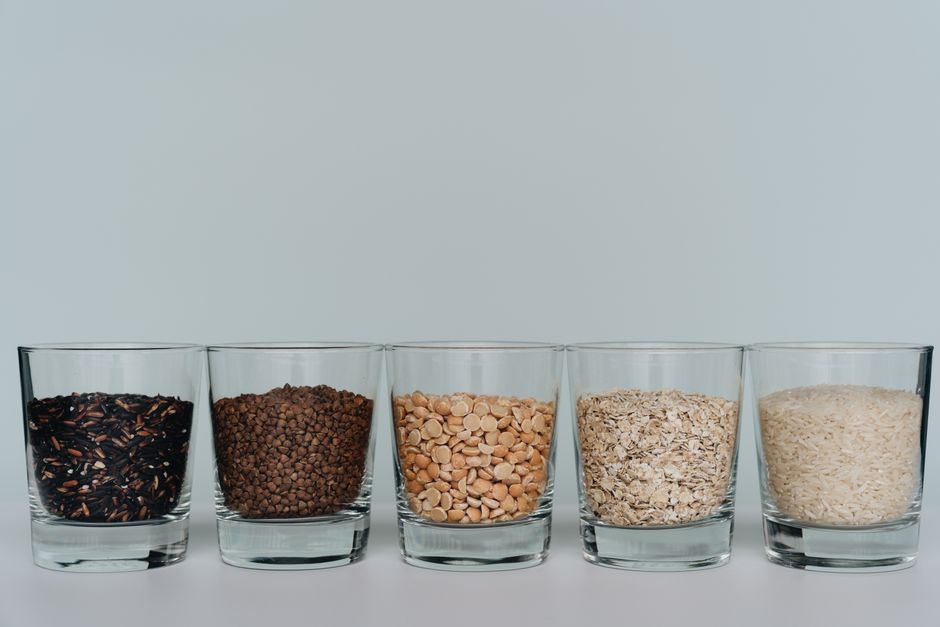
If you have celiac disease or non-celiac gluten sensitivity, you know the drill: check every label, ask every server, and question every grain. Rice is a staple for millions of people on a gluten-free diet, and for good reason. Plain rice, in its natural form, does not contain gluten. All varieties of rice — white, brown, wild, basmati, jasmine, and arborio — are naturally gluten-free. The concern is not the rice itself but what happens to it before it reaches your plate. Cross-contamination during farming, milling, packaging, or cooking can introduce gluten, and seasoned rice products often contain wheat-based ingredients. Understanding where the real risk lies helps you make safe choices.
What Exactly Is Gluten and Where Does It Come From?
Gluten is a family of storage proteins found naturally in certain cereal grains. The two primary proteins are gliadin and glutenin, and together they give wheat dough its elasticity and chewy texture. This protein complex is what allows bread to rise and hold its shape during baking.
Gluten is not present in rice at the genetic level. Rice contains its own storage proteins, primarily oryzenin and glutelin, which are structurally different from the gluten proteins in wheat. Your immune system recognizes these proteins as distinct molecules. For someone with celiac disease, the immune reaction is triggered specifically by the gluten proteins in wheat, barley, and rye — not by the proteins in rice.
The grains that contain gluten are wheat (including spelt, kamut, and farro), barley, rye, and triticale (a wheat-rye hybrid). Oats are naturally gluten-free but are frequently contaminated with wheat during harvesting and processing. Rice has no biological relationship to these gluten-containing grains, which is why it is universally accepted as safe on a gluten-free diet.
Is Gluten In Rice Naturally or Only Through Contamination?
Rice is naturally gluten-free. No variety of rice contains gluten proteins in its natural state. This includes white rice, brown rice, jasmine rice, basmati rice, wild rice, black rice, and red rice. Wild rice is technically not rice at all — it is an aquatic grass seed — but it is also gluten-free.
The real question is contamination. Rice is frequently grown in rotation with wheat, barley, or rye. The same fields, harvesting equipment, storage silos, and transport trucks are often shared between crops. This shared infrastructure means trace amounts of gluten can end up in rice even when no wheat is visible.
Processing facilities also pose a risk. Many companies mill and package multiple grains in the same facility. Wheat flour is a fine powder that lingers in the air and on surfaces. Without rigorous cleaning protocols between runs, cross-contact is possible. This is why you should choose rice labeled “gluten-free” if you have celiac disease. That label means the manufacturer has tested the product and verified it meets the FDA standard of less than 20 parts per million of gluten.
Cross-Contamination Risks You Should Know About
Cross-contamination can happen at several points before rice reaches your kitchen. The most common sources are shared farmland, shared harvesting equipment, shared storage facilities, and shared processing lines. Bulk bins at grocery stores carry a higher risk because scoops and bins are often used for multiple products without cleaning between uses.
At home, contamination happens differently. Using the same colander for pasta and rice, a shared toaster, wooden cutting boards, or even a flour-dusted countertop can transfer gluten. Cooking rice in a pot that previously held wheat-based foods is generally safe after thorough washing, but porous utensils like wooden spoons can retain gluten proteins even after cleaning.
Rice products are a separate concern. Seasoned rice mixes, rice pilaf packets, and flavored rice dishes frequently contain wheat-based ingredients. Soy sauce, which is made from fermented wheat, is a common additive in these products. Bouillon cubes, hydrolyzed vegetable protein, malt flavoring, and modified food starch can all be wheat-derived. Always read the full ingredient list, not just the front of the package.



How To Check If Your Rice Is Truly Gluten-Free
Reading labels correctly is the most reliable way to confirm a rice product is safe. Look for a “gluten-free” certification from a recognized organization. The FDA regulates the term “gluten-free” in the United States, and products bearing this label must contain less than 20 parts per million of gluten. This threshold is the level most people with celiac disease can tolerate without intestinal damage.
If a product does not have a gluten-free label, check the allergen statement. The FDA requires that wheat be declared as an allergen on food labels. However, barley and rye are not subject to the same labeling requirement. A product can contain barley malt without declaring it on the label. This is why the gluten-free label matters more than the allergen statement alone.
For bulk rice, the safest approach is to buy packaged rice from a brand that tests for gluten. If you buy from bulk bins, ask the store about their cleaning procedures. Some stores have dedicated gluten-free bins, but many do not. When in doubt, choose the packaged option.
Are Rice Substitutes and Rice Products Safe?
Rice-based products are not automatically gluten-free. Rice flour, rice pasta, rice crackers, rice cereal, and rice bread all start with rice, but the manufacturing process can introduce gluten. Some rice pastas are made in facilities that also process wheat pasta. Some rice cereals contain malt flavoring made from barley. Some rice breads include wheat gluten as a binder to improve texture.
Rice noodles are a common trap. While rice noodles themselves are gluten-free, they are often served in restaurants with sauces that contain soy sauce or other wheat-based ingredients. The same applies to sushi — the rice is safe, but the soy sauce, vinegar, and imitation crab often are not.
Brown rice syrup is another ingredient to watch. It is sometimes used as a sweetener in processed foods, but it can be processed with barley enzymes. Some brands use enzymes derived from barley, which introduces gluten into the final product. The risk is small but real, and it is one reason why reading labels on all processed foods matters.
What About Rice for People With Celiac Disease?
Rice is a cornerstone of the gluten-free diet for people with celiac disease. It is a reliable source of carbohydrates, provides some B vitamins and minerals, and is generally well tolerated. Brown rice offers more fiber, magnesium, and selenium than white rice because the bran and germ remain intact.
One point to note: rice is not a complete source of nutrition on its own. A gluten-free diet that relies heavily on rice can be low in iron, folate, and fiber. Rice is also higher in arsenic than many other grains because rice plants absorb arsenic from soil and water more readily. The FDA has proposed guidance to limit inorganic arsenic in infant rice cereal, and the American Academy of Pediatrics recommends varying grains in a child’s diet rather than relying solely on rice.
For most adults, eating rice regularly is safe. Rinsing rice before cooking and cooking it in excess water can reduce arsenic content by about 30 percent. Brown rice generally contains more arsenic than white rice because arsenic concentrates in the bran. This is not a reason to avoid rice entirely, but it is a reason to eat a variety of grains.
Frequently Asked Questions
Is rice completely gluten-free?
Yes, all natural forms of rice are gluten-free. The risk comes from cross-contamination during growing, processing, or cooking, not from the rice itself.
Can I eat rice if I have celiac disease?
Yes, rice is safe for people with celiac disease when it is certified gluten-free. Choose packaged rice with a gluten-free label to avoid cross-contamination.
Is white rice or brown rice better for a gluten-free diet?
Both are gluten-free and safe. Brown rice has more fiber and nutrients, while white rice is easier to digest and contains less arsenic.
Why do some rice products contain gluten?
Seasoned rice mixes, rice pastas, and rice cereals often include wheat-based ingredients like soy sauce, malt flavoring, or wheat starch. Always check the label.
