
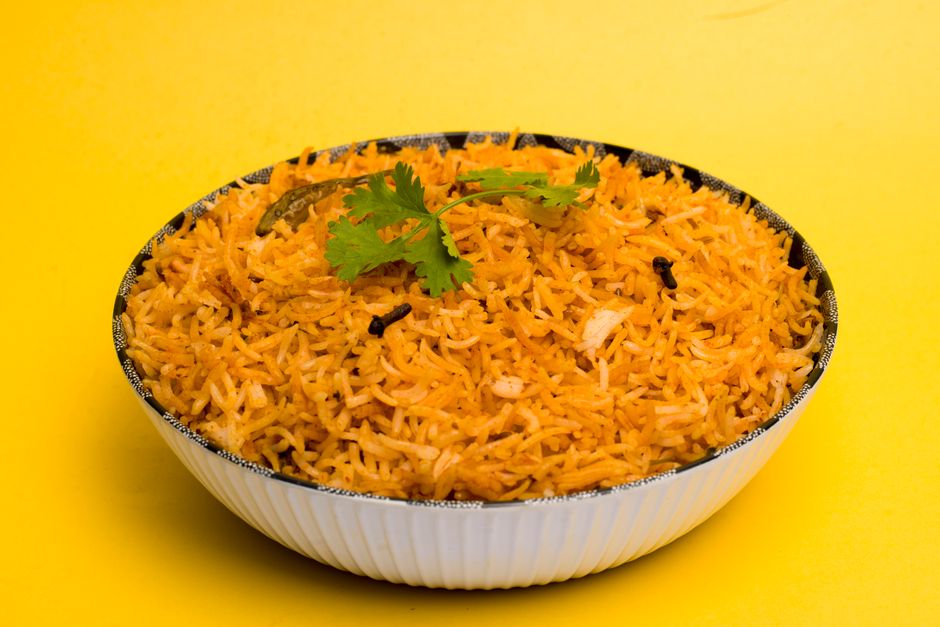
White rice is a blank canvas. With a few simple additions you can transform it into a flavorful side dish or base for a meal. The key is to infuse flavor during cooking or add it afterward.
What Are the Easiest Ways to Add Flavor to White Rice?
The easiest way is to cook rice in broth instead of water. Chicken, vegetable, or beef broth adds depth with almost no extra effort. For even more flavor, add a bay leaf, a whole garlic clove, or a strip of citrus peel to the cooking liquid.
After the rice is cooked, toss it with fresh herbs, a squeeze of lemon juice, or a drizzle of olive oil. These simple steps work with any meal. If you use store-bought broth, check the sodium content. Low-sodium broth gives you more control over salt.
How To Flavor White Rice with Herbs and Spices
Herbs and spices are the most versatile way to flavor white rice. Dried herbs like thyme, oregano, and rosemary work well when added to the cooking water. Fresh herbs like parsley, cilantro, basil, or dill should be stirred in after cooking to keep their bright flavor.
Spices add warmth and color. Cumin pairs naturally with Mexican or Indian dishes. Turmeric gives the rice a golden hue and mild earthy taste. Smoked paprika adds a subtle smoky note. For a simple punch, stir in a teaspoon of garam masala or curry powder before adding liquid.
Toast whole spices like cumin seeds, cardamom pods, or cinnamon sticks in a dry pan for a minute before adding rice and water. This releases their oils and deepens the flavor.
Can You Use Broth or Stock to Flavor White Rice?
Yes. Replacing water entirely with broth is one of the most effective methods. A common ratio is 2 cups of liquid to 1 cup of white rice, but always check the package directions. For a richer result, sauté chopped onion and garlic in a little oil before adding the rice and broth.
Homemade broth gives you full control over salt and ingredients. If you use store-bought broth, low-sodium versions are widely available. Some readers prefer unsalted broth and add salt to taste at the table.





What About Adding Vegetables, Protein, or Fat?
Stirring in cooked vegetables adds both flavor and texture. Peas, grated carrots, sautéed mushrooms, or roasted bell peppers work well. For fat, a pat of butter or a drizzle of sesame oil right before serving can round out the taste.
Mixing in cooked protein like shredded chicken, shrimp, or tofu turns flavored rice into a complete meal. Keep portion sizes in mind if you are tracking calories or protein. The focus here is on flavor, but these additions make the rice more satisfying.
How to Flavor White Rice Without Adding Salt
Health-conscious readers often want to reduce sodium. You can still get bold flavor. Toast the rice in a dry pan for a few minutes before adding liquid. This creates a nutty taste without any salt.
Salt-free seasoning blends are available in most grocery stores. Look for blends with onion powder, garlic powder, dried herbs, and citrus zest. Fresh lemon or lime juice adds brightness. A splash of rice vinegar or apple cider vinegar gives a clean tang. Nutritional yeast provides a savory, cheesy flavor without sodium.
What Are Some Global Flavor Ideas for White Rice?
Different cuisines offer simple flavor combinations for white rice.
- Mexican-style: Cilantro, lime juice, cumin, and sautéed onion.
- Indian-style: Turmeric, cumin seeds, cardamom, and a cinnamon stick added to the cooking water.
- Mediterranean-style: Oregano, lemon zest, olive oil, and fresh parsley.
- Asian-style: Low-sodium soy sauce, sesame oil, grated ginger, and sliced scallions.
These combinations require only a few ingredients and can be adjusted to your taste. Soy sauce is high in sodium, so low-sodium versions or coconut aminos are better options if you are watching salt.
Can You Flavor White Rice for Meal Prep?
Yes. Cook a large batch and divide it into portions. Add different flavorings to each portion to create variety throughout the week. For example, one portion with lemon and herbs, another with cumin and turmeric, and a third with soy sauce and ginger.
Store rice in airtight containers and refrigerate within two hours of cooking. When reheating, add a tablespoon of water or broth per cup of rice to restore moisture. Do not leave cooked rice at room temperature for more than two hours to reduce the risk of bacterial growth.
Does the Type of White Rice Affect Flavoring?
Yes. Long-grain white rice like jasmine or basmati has a mild floral or nutty aroma that pairs well with delicate herbs and citrus. Medium-grain rice absorbs flavors well because it is slightly stickier. Short-grain rice, often used for sushi, holds onto seasonings but has a denser texture.
Parboiled or converted rice has a firmer texture and absorbs seasonings differently. Brown rice is not white rice and has a stronger nutty flavor. The tips in this article are designed for plain white rice, but many also work for brown rice with longer cooking times.
Frequently Asked Questions
What is the simplest way to make white rice taste better?
Cook it in broth instead of water and add a bay leaf or garlic clove. That alone changes the flavor noticeably.
Which spices go best with white rice?
Cumin, turmeric, paprika, and garlic powder are popular choices. They complement many cuisines without overpowering the rice.
Is it healthy to add butter to white rice for flavor?
Butter adds flavor but is high in saturated fat. A small pat is fine occasionally, but olive oil or a splash of broth can give similar richness with less saturated fat.
Can you use coconut milk to flavor white rice?
Yes. Replace half the water with light coconut milk for a creamy, mildly sweet flavor. Full-fat coconut milk adds more calories and saturated fat, so use it sparingly if you are watching your intake.
