
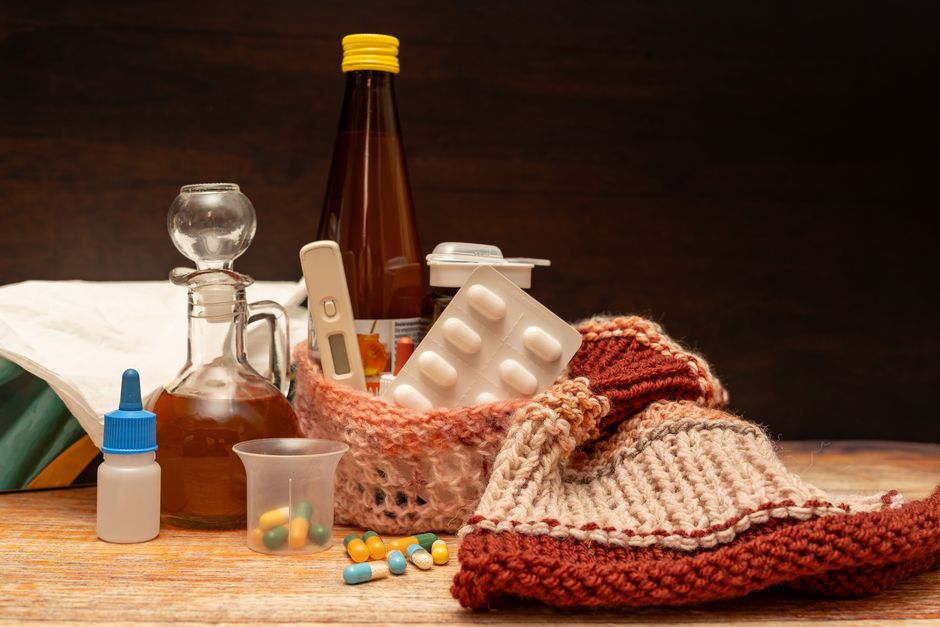
Making your own cough drops at home lets you choose proven ingredients. Honey has research showing it can calm coughs, and lemon and ginger add soothing properties. To make cough drops that actually work, combine honey, lemon juice, and ginger, and cook to a hard candy consistency. These drops dissolve slowly, coating the throat and reducing the urge to cough.
What Makes a Cough Drop Effective?
A cough drop works by coating the throat with a soothing film. This is called a demulcent effect. It reduces irritation and the reflex to cough. Some ingredients also have anti-inflammatory or antimicrobial properties. The key is the slow dissolution in the mouth, which keeps the coating active for several minutes.
Many commercial cough drops contain menthol, which creates a cooling sensation that can distract from the urge to cough. Others contain dextromethorphan, a drug that suppresses the cough reflex in the brain. Homemade cough drops generally rely on natural ingredients like honey, which has been studied for its ability to reduce nighttime cough in children. The mechanism is likely a combination of viscosity, sweetness, and mild antimicrobial effects.
Ingredients That Actually Work for Cough Relief
Not all home remedy ingredients have strong evidence. The ones listed below are supported by research or well‑established traditional use.
- Honey – Several studies have found that honey can reduce cough frequency and severity in children over age one. It is more effective than placebo and sometimes comparable to over‑the‑counter cough medicines. Honey should never be given to infants under 12 months because of the risk of infant botulism.
- Lemon – Lemon juice provides vitamin C and citric acid, which can cut through mucus and provide a fresh sensation. It also adds acidity that may help preserve the cough drops. Evidence for direct cough suppression is limited, but it is a common and safe addition.
- Ginger – Fresh ginger contains compounds with anti‑inflammatory effects. Some research suggests ginger can relax airways and reduce cough reflexes. Ginger tea is often used for sore throat and cough. In cough drops, ginger adds warmth and mild numbing.
- Peppermint or spearmint extract – These contain menthol (peppermint) or similar compounds. Menthol creates a cooling sensation that can temporarily soothe the throat. However, concentrated essential oils should be used sparingly because they can be irritating in large amounts. Use food‑grade extracts, not essential oils.
Avoid adding raw herbs or powders that could create an uneven texture. Stick to easily dissolved liquids or finely grated ginger that can be strained.
How To Make Cough Drops That Actually Work?
This recipe produces hard, slow‑dissolving cough drops that coat the throat. You will need a candy thermometer for accurate temperatures.
Ingredients:
- 1 cup honey (use a mild‑flavored variety like clover or orange blossom)
- 1/4 cup freshly squeezed lemon juice
- 2 tablespoons finely grated fresh ginger
- Optional: 1/2 teaspoon peppermint extract or 1/4 teaspoon food‑grade peppermint oil
Equipment:
- Candy thermometer
- Saucepan (heavy‑bottomed)
- Silicone candy molds or a greased baking sheet
- Wooden spoon or silicone spatula
Instructions:
- Line a baking sheet with parchment paper and grease it lightly with coconut oil. Alternatively, place silicone candy molds on a flat surface.
- In a saucepan, combine honey, lemon juice, and grated ginger. Stir over medium heat until the honey is liquid and the mixture is well combined.
- Clip a candy thermometer to the side of the pan. Increase heat to medium‑high and bring the mixture to a boil. Do not stir once boiling.
- Cook until the temperature reaches 300°F to 310°F (hard crack stage). This can take 10 to 15 minutes. The mixture will darken slightly and form thick bubbles.
- Remove the pan from heat. If using peppermint extract, stir it in quickly (the hot mixture will release a strong vapor).
- Let the mixture cool for about 2 minutes, until the bubbles subside. Carefully pour it into the molds or drop spoonfuls onto the prepared baking sheet.
- Allow the cough drops to cool completely, about 30 to 60 minutes. They should be hard and not sticky.
- Remove from molds. Store in an airtight container at room temperature for up to two weeks. For longer storage, keep them in the refrigerator.
Important notes: Cooking to the hard crack stage is essential for a hard candy that dissolves slowly. If you undercook them, they will be chewy and may stick together. Hot sugar can cause severe burns – handle with care and keep children away from the stove.




When to Use Homemade vs. Store‑Bought Cough Drops
Homemade cough drops are drug‑free. They rely on honey, lemon, and ginger to soothe the throat. They are best for dry, tickly coughs that are not caused by a serious medical condition. Commercial cough drops often contain menthol or actual cough‑suppressing drugs like dextromethorphan. These can be more effective for strong, persistent coughs, but they also come with potential side effects and are not recommended for young children.
If you have a cough that lasts more than a few weeks, produces thick mucus, or is accompanied by fever or shortness of breath, see a doctor. Homemade remedies are not a substitute for medical care.
Homemade cough drops are not recommended for children under four years because of choking risk from hard candy. For children ages 1 to 4, a small spoonful of honey (if age‑appropriate) is safer and equally effective. Always consult your pediatrician before giving any home remedy to a child.
Safety and Storage Tips
- Store finished cough drops in an airtight container at room temperature. Avoid humid environments, which can make them sticky.
- Use within two weeks. Refrigerating can extend shelf life up to a month, but the texture may become slightly softer.
- Do not give honey‑based cough drops to infants under 12 months due to botulism risk.
- Pregnant and breastfeeding women can use these drops safely because the ingredients are common foods. However, if you have gestational diabetes or are monitoring blood sugar, note that honey and sugar are concentrated in the candy.
- If you have allergies to any ingredient, skip it. Peppermint can be replaced with spearmint or omitted entirely.
Making cough drops requires careful temperature control. If you do not have a candy thermometer, you can test by dropping a small amount into cold water — it should immediately form hard, brittle threads that snap. However, a thermometer is more reliable.
Frequently Asked Questions
Can I use sugar instead of honey?
Yes, but the cough‑soothing effect will be different. Sugar lacks the antimicrobial and anti‑inflammatory properties of honey, but it still creates a demulcent candy that can temporarily coat the throat.
How long do homemade cough drops last?
Stored in an airtight container at room temperature, they stay fresh for about two weeks. Refrigeration can extend this to one month, but texture may change.
Are homemade cough drops safe for children?
Hard candy is a choking hazard for children under four. For older children, they are safe if honey is not used in children under one year. Always supervise.
Can I add essential oils like eucalyptus?
Essential oils are concentrated and can be toxic if ingested in more than tiny amounts. Use only food‑grade extracts specifically labeled for internal use, and add just a few drops.
