
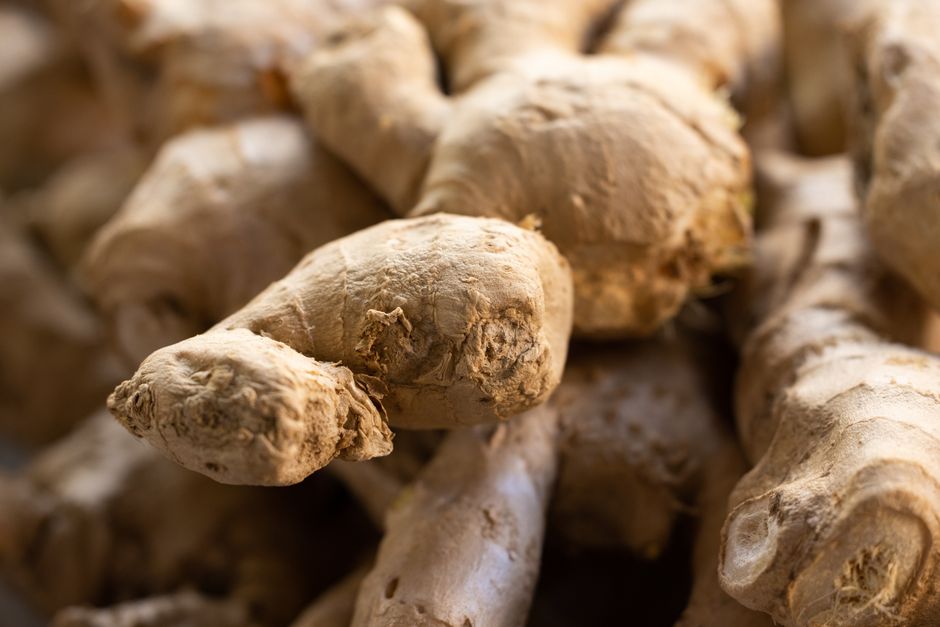
Ginger is not bad for fatty liver. There is no established evidence that ordinary dietary amounts of ginger harm the liver, and some clinical research suggests ginger may modestly improve certain liver-related markers in people with fatty liver disease. The honest picture is more nuanced than headlines suggest: the early human evidence is encouraging but small, and ginger is not a treatment for fatty liver on its own.
Fatty liver disease affects a large share of adults in the United States, and it is closely tied to excess weight, insulin resistance, and metabolic health. Because diet plays such a central role, it makes sense that people look for simple food changes that might help. Ginger comes up often. Here is what the research actually shows, and where the limits of that research begin.
What Is Fatty Liver Disease?
Fatty liver disease means fat has accumulated in liver cells beyond what is considered normal. A small amount of fat in the liver is typical. When fat makes up more than about 5 to 10 percent of the liver’s weight, it is classified as fatty liver, though the exact threshold depends on how it is measured.
There are two broad types. Alcohol-related liver disease is caused by heavy drinking. Non-alcoholic fatty liver disease (NAFLD) occurs in people who drink little or no alcohol. NAFLD is now often described using the term metabolic dysfunction-associated steatotic liver disease, or MASLD, because it is so tightly linked to metabolic problems.
The liver stores fat when the balance between fat coming in, fat being made, and fat being burned or exported gets disrupted. Insulin resistance is a major driver. When cells respond poorly to insulin, the liver ramps up fat production and holds onto more of it. Over time, this can lead to inflammation and, in some people, scarring.
Most people with fatty liver feel fine and have no symptoms. It is often found by accident on blood tests or imaging done for another reason. That silence is part of why it is easy to ignore.
Is Ginger Bad For Fatty Liver Or Actually Beneficial?
Ginger is not harmful to the liver at typical food amounts, and the available evidence leans toward possible benefit rather than harm. Several small human trials have looked at ginger in people with fatty liver disease, and most reported improvements in liver enzymes or markers of liver fat compared with a placebo or control group.
That said, the studies are small and short. Many used ginger supplements rather than fresh ginger in food. The doses varied widely, the study designs differed, and few looked at hard outcomes like progression to cirrhosis or long-term liver health. So the fair reading is this: ginger is safe in normal amounts, and it may offer a modest benefit, but it is not proven to reverse fatty liver disease.
One clarification worth making: ginger is sometimes confused with things that genuinely can stress the liver, such as high-dose certain herbal extracts or excessive alcohol. Ordinary ginger used in cooking or as a tea does not fall into that category.
How Might Ginger Affect The Liver?
Ginger contains bioactive compounds, most notably gingerols and shogaols. In laboratory and animal studies, these compounds have shown antioxidant and anti-inflammatory activity. Since inflammation and oxidative stress are part of how fatty liver progresses, that mechanism is biologically plausible.
Some research also suggests ginger may influence how the body handles glucose and fat. In animal models, ginger has been linked to reduced fat accumulation in the liver and improved insulin sensitivity. These findings help explain why researchers became interested in ginger for fatty liver in the first place.
Here is the important caution. A plausible mechanism is not the same as proven clinical benefit. A compound can reduce inflammation in a petri dish or a mouse and still fail to produce meaningful results in people. That gap is exactly why human trials matter, and why the current human evidence, while positive, is not yet strong enough to call ginger a treatment.





What Does The Human Research Show?
The human studies on ginger and fatty liver are promising but limited. Most are randomized controlled trials, which is a good design, but they tend to be small, often involving a few dozen participants, and short in duration, frequently lasting a few weeks to a few months.
Across several of these trials, participants taking ginger showed lower levels of certain liver enzymes, such as ALT and AST, compared with those taking a placebo. Some also showed improvements in inflammatory markers or in measures of liver fat on imaging. Other trials found smaller or less consistent effects.
The evidence is mixed enough that no major medical organization currently recommends ginger as a treatment for fatty liver disease. That is not a statement that ginger does nothing. It is a statement that the research has not yet reached the standard required to make a clinical recommendation.
If you want to understand the state of the science plainly: the direction of the findings is generally favorable, the size of the effect appears modest, and the certainty is low because the studies are small and varied.
How Does Ginger Compare To Proven Approaches?
Weight loss remains the most established way to improve fatty liver disease. Losing a meaningful amount of excess weight, particularly around the abdomen, is consistently linked to reductions in liver fat and improvements in liver enzymes. This is supported by a much larger and stronger body of evidence than anything available for ginger.
Other well-supported approaches include regular physical activity, reducing added sugars and refined carbohydrates, and managing conditions like type 2 diabetes and high cholesterol. For some people, certain medications may be appropriate, and this is a conversation to have with a clinician.
Ginger does not replace any of these. At best, it might be a small supportive addition to a broader plan. Thinking of it as a standalone fix would be a mistake.
| Approach | Strength Of Evidence For Fatty Liver |
|---|---|
| Weight loss | Strong and consistent |
| Physical activity | Strong and consistent |
| Reducing added sugars | Moderate to strong |
| Ginger | Limited; small short-term trials |
| Medication (selected cases) | Varies; clinician-guided |
Is Ginger Safe, And How Much Is Reasonable?
Ginger used in food is widely considered safe for most people. It has a long history of culinary and traditional use. As a spice or in tea, it is not associated with liver harm in the general population.
Higher-dose ginger supplements are a different matter. At large supplemental doses, ginger can cause side effects such as heartburn, stomach upset, and in some cases a burning sensation. It can also interact with blood-thinning medications, because ginger may have mild effects on platelet function. Anyone taking anticoagulants or antiplatelet drugs should talk with a clinician before using concentrated ginger supplements.
There is no single established dose of ginger for fatty liver, because there is no approved clinical use for that purpose. If you enjoy ginger in food or as a tea, there is no clear reason to avoid it. If you are considering a supplement, that is a decision to make with a healthcare professional, especially if you take other medications or have a bleeding disorder.
No clinical guidelines currently exist for ginger dosing in pregnant women, children, or people with advanced liver disease, so those groups should not treat ginger as a remedy.
What Should People With Fatty Liver Focus On?
If you have been told you have fatty liver, the most useful steps are the ones with the strongest evidence behind them. Gradual weight loss, regular movement, and cutting back on sugary drinks and refined carbs do more for the liver than any single spice.
Getting other conditions under control matters too. Type 2 diabetes, high blood pressure, and high cholesterol all interact with liver health. Managing them with a clinician’s guidance supports the liver indirectly and directly.
It also helps to be cautious about supplements in general. The supplement market is loosely regulated, and some products marketed for liver health have actually been linked to liver injury. Ginger in food is not one of those concerns, but concentrated herbal blends sometimes are.
If you like ginger, keep using it. Just do not expect it to carry the load on its own.
Frequently Asked Questions
Is ginger bad for fatty liver?
No, ginger is not considered harmful to the liver at normal food amounts. There is no established evidence that dietary ginger worsens fatty liver disease.
Can ginger reverse fatty liver disease?
No, ginger has not been shown to reverse fatty liver disease, and no major medical organization recommends it as a treatment. Some small trials suggest modest improvements in liver markers, but the evidence is not strong enough to confirm a real benefit.
How much ginger is safe to eat daily?
Ginger used in cooking and tea is generally considered safe for most people, and there is no established upper limit for food amounts. There is no clinical guideline for ginger dosing specific to fatty liver, so supplement use should be discussed with a clinician.
Does ginger interact with any medications?
Ginger may interact with blood-thinning medications because it can have mild effects on platelet function. Anyone taking anticoagulants or antiplatelet drugs should check with a healthcare professional before using concentrated ginger supplements.
