
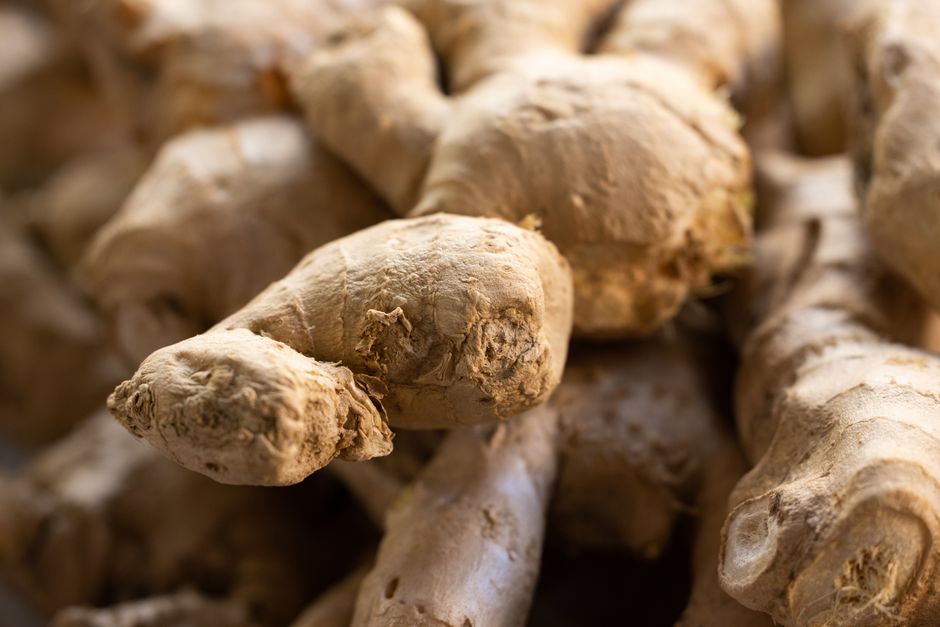
Ginger ale is a soft drink, not a health remedy. Most commercial ginger ale contains little or no real ginger, and the amount of sugar in a typical 12-ounce can is close to the daily added sugar limit that federal dietary guidelines recommend for adults. The science does not support the idea that ginger ale is good for you.
People reach for ginger ale for nausea, upset stomach, and colds. That habit is older than the science behind it. What they are usually drinking is carbonated sugar water with ginger flavoring. The gap between what people believe ginger ale does and what it actually contains is where the confusion lives.
Does Ginger Ale Actually Contain Ginger?
Most mainstream ginger ales contain no fresh ginger at all. The flavor comes from ginger extract, natural flavors, or artificial ginger flavoring added in small amounts.
Canada Dry, one of the best-known brands, has stated that its ginger ale is made with real ginger, but the amount is not disclosed on the label. Seagram’s, Schweppes, and most store-brand ginger ales list “natural flavors” or “ginger flavor” rather than ginger root. A product can legally carry the name ginger ale with only trace flavoring compounds present.
Ginger beer is a different product. Traditional ginger beer is brewed and can contain substantial ginger. Most commercial ginger beer is also a sweetened soft drink, though some brands use more real ginger than standard ginger ale. You cannot assume any of them are a meaningful source of ginger unless the label says so.
The practical point: if you want the effects of ginger, ginger ale is one of the least reliable ways to get it. The dose is unknown, unstandardized, and likely very small.
How Much Sugar Is in Ginger Ale?
A standard 12-ounce can of ginger ale contains roughly 32 to 36 grams of sugar. That is about 8 to 9 teaspoons.
The Dietary Guidelines for Americans recommend limiting added sugars to less than 10 percent of daily calories. For a 2,000-calorie diet, that is 50 grams per day. One can of ginger ale delivers about two-thirds of that limit in a single drink.
The sugar is almost always high-fructose corn syrup or cane sugar. Neither offers any nutritional value. There is no fiber, no protein, no vitamins, and no minerals of note. Ginger ale is what nutrition researchers call an empty-calorie beverage.
Diet ginger ale removes the sugar but keeps the carbonation and flavoring. It also keeps the phosphoric acid or citric acid that gives soda its tang. Whether diet soda is a better choice than regular soda is a genuinely debated question in nutrition research. The evidence is mixed, and no major health organization recommends diet soda as a health drink.
Is Ginger Ale Good for Nausea?
Ginger ale is not an effective treatment for nausea. Real ginger has some evidence behind it for certain types of nausea, but ginger ale does not deliver enough ginger to matter.
Ginger has been studied for nausea related to pregnancy, chemotherapy, and motion sickness. Some studies suggest it may help, particularly for pregnancy-related nausea and motion sickness. The evidence is less consistent for chemotherapy-induced nausea, where prescription antiemetics are the standard of care.
Even in studies where ginger helped, the doses used were typically 1 gram or more of standardized ginger per day. A can of ginger ale contains a small fraction of that, if any at all. Drinking ginger ale for nausea is not the same as taking ginger.
There is also a practical problem. Carbonation and sugar can make nausea worse for some people. Sugar-heavy drinks empty from the stomach more slowly, which can increase feelings of fullness and discomfort. Some people find flat ginger ale easier to tolerate than carbonated, but that is anecdotal, not evidence-based.
If nausea is persistent, severe, or accompanied by vomiting, dehydration, or blood, that is a medical situation. Ginger ale is not a treatment.





Does Ginger Ale Help With Colds or Sore Throats?
Ginger ale does not treat colds, sore throats, or flu. There is no ingredient in it that fights infection or shortens illness.
The tradition of drinking ginger ale when sick likely comes from two things. First, it is easy to keep down when appetite is low. Second, the sugar provides quick calories. Neither of those is a medical benefit. They are reasons a sick person might tolerate it, not reasons it helps them recover.
Warm liquids can soothe a sore throat by increasing saliva and mucus production, which coats and lubricates the irritated tissue. That effect is about temperature and moisture, not ginger. Plain warm water, broth, or tea with honey do the same thing. Honey has some evidence for soothing coughs in adults and children over age 1. Ginger ale does not.
For children with colds or stomach bugs, ginger ale is a poor choice for rehydration. The sugar content can worsen diarrhea by drawing water into the gut. Oral rehydration solutions are formulated with specific ratios of sugar and salt for this reason. Ginger ale is not one of them.
Why Do People Think Ginger Ale Is Healthy?
Ginger ale has a health halo that it does not deserve. Several factors built that reputation over decades.
- Ginger itself has real medicinal history. The drink borrowed the credibility of the root.
- Ginger ale was marketed as a stomach settler in the early 20th century, long before nutrition labels were required.
- It is clear, mild, and easy to drink, which makes it feel gentler than cola or other sodas.
- Hospitals and nursing homes sometimes stocked it for patients, which reinforced the idea that it was therapeutic.
- The word “ginger” sounds natural and plant-based, even when the product contains almost none.
None of these are evidence. They are associations. The label on a can of ginger ale tells a more accurate story than the folklore does.
What Should You Drink Instead?
If you want ginger for nausea, use actual ginger. Ginger tea made from fresh root, ginger chews, or standardized ginger capsules are the forms that have been studied. Doses in research typically range from 1 to 1.5 grams per day, but anyone considering ginger for a medical reason should check with a clinician first, especially during pregnancy or when taking blood-thinning medication.
If you want hydration, water is the answer. For rehydration during illness, use an oral rehydration solution. For a sore throat, warm liquids with honey work as well as anything.
If you simply enjoy ginger ale as a treat, that is a different question. A soft drink now and then is not a health crisis. The problem is when people treat it as medicine. That is where the science and the habit part ways.
| Drink | Sugar per 12 oz | Ginger content |
|---|---|---|
| Regular ginger ale | 32-36 g | Trace or none |
| Diet ginger ale | 0 g | Trace or none |
| Ginger beer (commercial) | 30-40 g | Varies, often low |
| Ginger tea (fresh root) | 0 g | Meaningful |
| Water | 0 g | None |
The table makes the point plainly. Ginger ale sits closer to soda than to medicine. If your goal is ginger, drink ginger tea. If your goal is a cold fizzy drink, ginger ale is fine as an occasional choice. Just do not confuse the two.
Frequently Asked Questions
Is ginger ale good for you?
No. Ginger ale is a sugary soft drink with little or no real ginger, and it offers no meaningful nutritional or medicinal benefit.
Does ginger ale help with nausea?
No reliable evidence supports ginger ale for nausea because it does not contain enough ginger to matter. Real ginger in studied doses may help some types of nausea, but ginger ale is not a substitute.
How much sugar is in a can of ginger ale?
A 12-ounce can typically contains about 32 to 36 grams of sugar, which is roughly two-thirds of the daily added sugar limit for a 2,000-calorie diet.
Is ginger ale safe for children with a stomach bug?
No. The sugar in ginger ale can worsen diarrhea, and it does not replace the specific sugar-and-salt balance found in oral rehydration solutions.
