
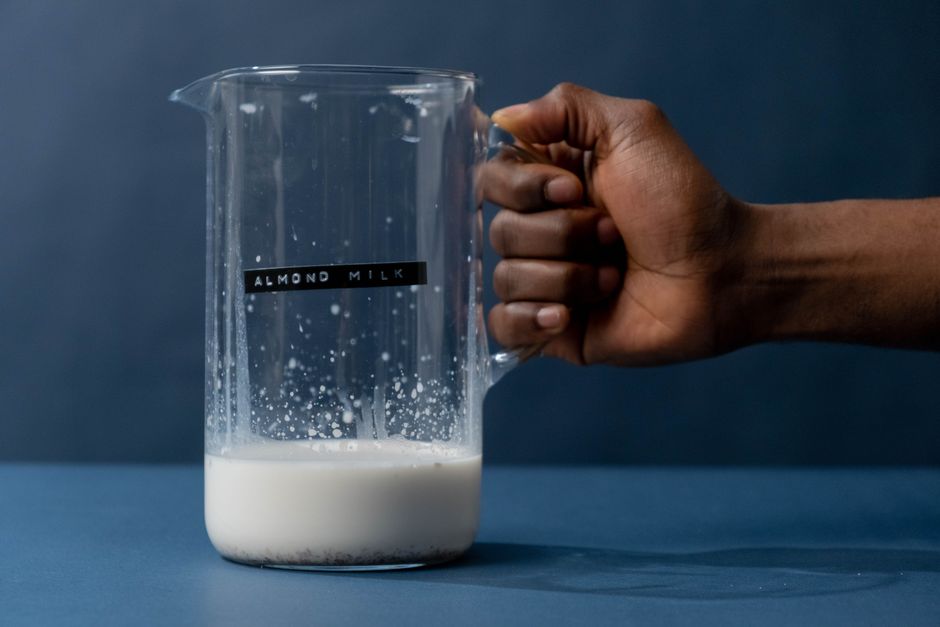
No, vegans do not drink cow’s milk. By definition, veganism excludes all animal-derived foods, and milk from cows, goats, or sheep is an animal product. Vegans get their “milk” from plants — soy, oat, almond, pea, coconut, and others — or they simply don’t drink milk at all. The confusion usually comes from the word itself. “Milk” describes a white liquid, not a single food. Understanding what vegans actually consume, and what they miss nutritionally when they skip dairy, is where the science gets interesting.
What Does Vegan Actually Mean?
Veganism is the practice of avoiding all animal products — not just meat. That includes dairy, eggs, honey, gelatin, and ingredients derived from animals. Someone who eats plant foods but still drinks milk is vegetarian, not vegan.
The term was coined in the 1940s by a British group who wanted a word for people who avoided all animal exploitation. The definition has stayed fairly stable since. A vegan diet contains no cow’s milk, no cheese, no butter, no yogurt made from dairy, and no eggs.
This matters because people often mix up the categories. A lacto-vegetarian drinks milk. A vegan does not. The distinction is not a technicality — it changes the entire nutritional profile of the diet, especially for calcium, vitamin D, protein, and vitamin B12.
Do Vegans Drink Milk?
Vegans do not drink dairy milk. They may drink plant-based milks, which are marketed and labeled as “milk” but are made from plants. The word is the same. The food is not.
This is a labeling issue as much as a dietary one. In the US, the Food and Drug Administration has historically allowed the term “milk” on plant-based products, though there has been ongoing debate about whether that’s accurate labeling. For a vegan, the label “oat milk” or “soy milk” simply means a plant beverage designed to work like milk in coffee, cereal, and cooking.
Some vegans avoid plant milks entirely and drink only water, tea, or juice. Plant milks are a convenience, not a requirement. There is no rule that a vegan diet must include a milk substitute.
Are Plant Milks Nutritionally Equivalent to Cow’s Milk?
No. Plant milks differ from cow’s milk in protein, calcium, vitamin D, and vitamin B12 content, and they differ from each other. Cow’s milk naturally contains about 8 grams of protein per cup, along with calcium, potassium, and vitamins. Most plant milks are fortified to approximate some of these, but the fortification varies by brand and product.
Here is a general comparison. Exact values depend on the specific product and brand.
| Type | Protein per cup (approx.) | Naturally contains calcium? | Typically fortified? |
|---|---|---|---|
| Cow’s milk | 8 g | Yes | Vitamin D often added |
| Soy milk | 6–8 g | No | Often calcium and vitamins A, D, B12 |
| Oat milk | 2–3 g | No | Often calcium and vitamin D |
| Almond milk | 1 g | No | Often calcium and vitamin D |
| Pea milk | 7–8 g | No | Often calcium and vitamin D |
Soy and pea milks come closest to cow’s milk on protein. Almond milk is mostly water — its protein content is low. Oat milk sits in the middle but is higher in carbohydrates.
The key point: a plant milk is only as nutritious as its fortification. An unfortified almond milk provides very little calcium or vitamin D. Reading the label matters more than the type.




Where Do Vegans Get Calcium and Vitamin D?
Calcium and vitamin D are the two nutrients most closely tied to dairy in the public mind, and the two vegans most need to plan for. Both can be obtained without milk, but not by accident.
Calcium sources on a vegan diet include fortified plant milks, fortified tofu, calcium-set tofu, leafy greens like kale and bok choy, broccoli, tahini, and some fortified juices and cereals. Spinach contains calcium but also oxalates, which reduce absorption — it is a poor calcium source compared with kale or bok choy.
Vitamin D is harder. Very few foods contain it naturally, and the main dietary sources are fatty fish, egg yolks, and fortified dairy. Vegans rely on fortified plant milks, fortified cereals, UV-exposed mushrooms, and sunlight. Sunlight synthesis depends on skin tone, latitude, season, and time outdoors, so it is not reliable year-round for many people.
Vitamin D supplements are widely used by vegans, and many clinicians recommend them. The evidence that vitamin D supplementation prevents fractures in healthy adults with adequate levels is mixed. The evidence that it corrects deficiency is strong. If you are vegan and unsure of your status, a blood test is the sensible starting point rather than guessing.
Is Vegan Milk Healthier Than Cow’s Milk?
The evidence does not support a blanket “yes.” Plant milks and cow’s milk have different nutritional profiles, and which is “healthier” depends on the person and the product.
Cow’s milk provides high-quality protein, calcium, potassium, and iodine. It also contains saturated fat, though the amount varies by fat content. Plant milks vary enormously — some are fortified and low in sugar, others are essentially flavored water with added sugar.
Some plant milks contain added sugars and stabilizers. Unsweetened versions are usually the better choice if you want to control sugar intake. Oat milk can raise blood sugar more than other plant milks because of its carbohydrate content, though the effect varies by product and by person.
One clarification worth making: plant milks are not automatically “cleaner” or more natural than dairy. They are processed foods, often with a long ingredient list. That is not inherently bad — fortification is a public health benefit — but the marketing impression of simplicity does not match the label.
For people with lactose intolerance or a milk allergy, plant milks are a genuine alternative. For everyone else, the choice is mostly about preference, nutrition labels, and what fits the rest of the diet.
What Nutrients Do Vegans Need to Watch?
Vitamin B12 is the nutrient that requires the most attention on a vegan diet. It occurs naturally almost exclusively in animal foods. Deficiency can cause anemia and nerve damage, and symptoms can take years to appear. The established position among nutrition authorities is that vegans should use B12-fortified foods or supplements. This is not controversial — it is standard guidance.
Other nutrients to plan for include:
- Iron — plant iron (non-heme) is absorbed less efficiently than iron from meat. Pairing iron-rich foods with vitamin C improves absorption.
- Omega-3 fatty acids — the type found in fish is limited on a vegan diet. Flaxseed, chia, walnuts, and algae-based supplements are common sources.
- Zinc — found in legumes, nuts, and whole grains, but absorption is lower from plant sources.
- Iodine — dairy and seafood are major sources. Vegans may need iodized salt or a supplement, and this is an area where guidance varies by country.
- Protein — generally adequate if calories are sufficient and plant foods are varied, though it requires more planning than an omnivorous diet.
None of these are reasons a vegan diet cannot be healthy. They are reasons it needs attention. The research on well-planned vegan diets is generally favorable for heart health and weight, though long-term data on bone health is more mixed.
Common Myths About Vegans and Milk
A few persistent claims are worth correcting directly.
“Vegans drink milk, just not cow’s milk.” This is true in the sense that many vegans use plant milks. It is false if it implies they drink dairy. The distinction matters for anyone preparing food for a vegan guest.
“Plant milk is always healthier.” No study supports this as a general rule. Some plant milks are lower in protein and higher in added sugar than cow’s milk. The label decides.
“You can’t get enough calcium without dairy.” This is false. Fortified plant milks, tofu, and leafy greens can meet calcium needs. The evidence is clear that non-dairy sources can supply adequate calcium when chosen deliberately.
“Vegans are automatically deficient in B12.” Not automatically — but without fortified foods or supplements, deficiency is likely over time. This is why supplement guidance exists.
How Should You Choose a Plant Milk?
Read the nutrition label, not the front of the carton. The front is marketing. The back tells you what you are actually drinking.
Look for unsweetened versions if you want to control sugar. Check the protein content — if you are using plant milk as a protein source, soy and pea milks are the closest to dairy. Check whether calcium and vitamin D are listed, and at what amount. If B12 is listed, that is a bonus.
Shake the carton before pouring. Fortified plant milks can settle, and the calcium added often sinks to the bottom. This is a small detail most people miss, and it affects how much of the fortification you actually get.
For cooking, different plant milks behave differently. Soy milk holds up in sauces and coffee better than almond milk, which can separate. Oat milk froths well for coffee. There is no single best choice — it depends on what you are making.
Frequently Asked Questions
Do vegans drink milk?
No, vegans do not drink dairy milk because it is an animal product. Many vegans drink plant-based milks such as soy, oat, or almond milk instead.
What milk do vegans drink?
Vegans typically drink plant-based milks made from soy, oats, almonds, peas, coconut, or rice. Some vegans avoid milk substitutes entirely and drink water, tea, or juice.
Is almond milk vegan?
Yes, almond milk is vegan because it is made from almonds and water with no animal ingredients. Check the label, since some flavored versions may contain added ingredients worth reviewing.
Do vegans get enough calcium without milk?
Vegans can get enough calcium from fortified plant milks, calcium-set tofu, and leafy greens like kale and bok choy. It requires deliberate food choices rather than relying on dairy.
