
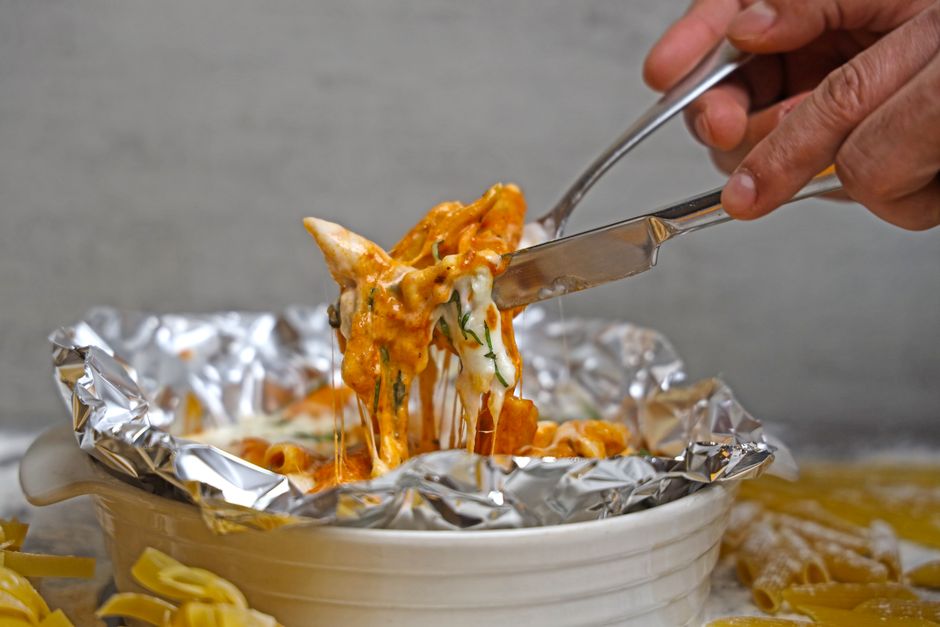
If you follow a gluten-free diet, you have likely wondered about cheese. The short answer is yes: plain mozzarella cheese is gluten free. Mozzarella is made from milk, rennet, salt, and starter cultures. None of these ingredients contain gluten. However, the details matter. Cross-contamination, added flavorings, and how the cheese is served can change the answer. This guide explains what you need to know before you buy your next ball of mozzarella.
Is Mozzarella Cheese Gluten Free by Nature?
Traditional mozzarella contains only a few ingredients. Fresh mozzarella is made from water buffalo milk or cow’s milk, rennet, and salt. The curd is stretched and kneaded to create its signature texture. No wheat, barley, or rye is used in this process. Gluten is a protein found in those grains. Since mozzarella does not include them, it is naturally gluten free.
The same applies to low-moisture mozzarella, which is the shredded or block form used for pizza and cooking. Its ingredient list is nearly identical to fresh mozzarella. The only difference is the moisture content and aging process. Neither introduces gluten.
When Mozzarella Might Not Be Gluten Free
Plain mozzarella is safe. The risk appears when manufacturers add other ingredients. Some flavored mozzarella products include herbs, spices, or vegetable powders. These additions can contain gluten as a filler or anti-caking agent. Always check the label on any flavored cheese product.
Shredded mozzarella deserves extra attention. Some brands add a fine starch to prevent the shreds from clumping together. This starch can come from corn, potato, or tapioca. In most cases, these are gluten free. However, some manufacturers use wheat starch. The label must state this clearly under allergen information. If the label does not specify the starch source, contact the manufacturer before eating it.
Cross-Contamination Risks in Production and Stores
Cross-contamination happens when a gluten-free food touches gluten-containing food. For mozzarella, this risk is low but real. Some cheese factories also process products that contain gluten. They may use the same equipment without proper cleaning between runs.
Most major cheese producers follow strict cleaning protocols. They also label products that share equipment with wheat, barley, or rye. Look for a “may contain wheat” statement on the packaging. If you see this warning, avoid the product if you have celiac disease or a severe gluten sensitivity.
Bulk bins at grocery stores carry a higher risk. The cheese is exposed to other shoppers and their scoops. A scoop used for croutons could touch the mozzarella. Pre-packaged mozzarella is safer than buying from open bins. When in doubt, choose the sealed package.
Fresh Mozzarella in the Deli Section
Many grocery stores sell fresh mozzarella in the deli or specialty cheese section. These products are usually safe. The deli counter, however, presents a different concern. Cheeses are often sliced on the same equipment as other products. Some delis slice bread on the same machine without thorough cleaning in between.
Ask the deli worker if the slicer is dedicated to gluten-free products. If they cannot confirm this, buy pre-packaged mozzarella instead. The packaging will list the ingredients and any allergen warnings. This gives you more control over what you are eating.
Does Mozzarella on Pizza Contain Gluten?
Pizza is the most common way people eat mozzarella. The cheese itself is gluten free. The crust, however, contains gluten unless it is specifically made without it. When you order a gluten-free pizza, confirm that the restaurant uses a separate preparation area.
Some restaurants prepare gluten-free crusts in the same oven as regular pizzas. Flour dust in the air can settle on the cheese and crust. This is a real risk for people with celiac disease. Ask the restaurant about their preparation methods. If they cannot guarantee separation, the pizza may not be safe for you.
Another pizza concern is the topping station. Some pizzerias dust their work surfaces with flour. The cheese may touch these surfaces before it reaches your pizza. Always communicate your dietary needs clearly to the staff.
How to Read Mozzarella Labels Like a Pro
Reading food labels is the most reliable way to determine if mozzarella is gluten free. Start with the ingredient list. Look for any form of wheat, barley, rye, or malt. These are the four gluten-containing grains. If none appear, the cheese is likely safe.
Next, check for allergen statements. Food manufacturers must declare wheat on the label if it is present. The statement may appear below the ingredient list. It often reads “Contains: Milk” or “Contains: Wheat.” If wheat is listed, the product is not gluten free.
Watch for hidden sources of gluten. Some labels use terms like “modified food starch” without specifying the source. In the United States, modified food starch from wheat must be labeled as such. If the label just says “modified food starch,” it is usually from corn or potato. Both are gluten free.
Natural flavors can also be a concern. In rare cases, these flavors use barley malt as a carrier. Most food safety experts consider this unlikely in cheese. If you are highly sensitive, contact the manufacturer for details about their natural flavor sources.
Comparing Different Types of Mozzarella
Not all mozzarella is the same. The type you choose can affect your gluten-free status. Here is a quick comparison of the most common forms:
| Type of Mozzarella | Typical Ingredients | Gluten Status |
|---|---|---|
| Fresh mozzarella (balls or logs) | Milk, rennet, salt, whey | Gluten free |
| Low-moisture block | Milk, rennet, salt, cultures | Gluten free |
| Shredded mozzarella | Cheese plus anti-caking starch | Check starch source |
| Smoked mozzarella | Cheese plus smoke flavoring | Usually gluten free |
| Flavored mozzarella | Cheese plus herbs or spices | Check for gluten fillers |
Smoked mozzarella is generally safe. The smoke flavor comes from liquid smoke or actual smoking processes. Neither introduces gluten. However, some commercial smoke flavorings contain barley malt. Check the label if you are highly sensitive.
What About Mozzarella Sticks and Other Coated Products?
Mozzarella sticks are a different story. The cheese inside is gluten free. The breading on the outside is not. Most commercial mozzarella sticks use wheat flour in their coating. These products are not gluten free.
Some brands make gluten-free mozzarella sticks using rice flour or cornmeal coatings. These are safe alternatives. Always check the packaging for the gluten-free label. Do not assume a restaurant’s mozzarella sticks are gluten free unless they specifically state otherwise.
Other coated cheese products include mozzarella bites, cheese curds, and breaded cheese slices. The same rule applies. The breading determines the gluten status. When in doubt, ask for the ingredient list or choose a different appetizer.
Is Mozzarella Safe for People with Celiac Disease?
Plain mozzarella is safe for people with celiac disease. The cheese does not contain gluten proteins. The main concern is cross-contamination. This varies by brand and handling practices.
Choose brands that certify their products gluten free. Certification means the product has been tested and meets strict standards. This testing typically requires less than 20 parts per million of gluten. This threshold is the legal standard for gluten-free labeling in the United States.
People with celiac disease should also watch for lactose intolerance. Mozzarella contains lactose, though fresh mozzarella has less than aged cheeses. If you have both conditions, you may need to limit your portion size. This is a separate issue from gluten, but it affects how your body handles the cheese.
Common Mistakes People Make with Mozzarella
One common mistake is assuming all shredded cheese is gluten free. As mentioned earlier, the anti-caking starch can be a hidden source. Another mistake is ignoring the serving environment. A gluten-free cheese can become contaminated by the utensils used to serve it.
People also forget to check the marinade or sauce served with mozzarella. Caprese salad usually contains only mozzarella, tomatoes, basil, and olive oil. These are all gluten free. However, some restaurants add balsamic vinegar that contains wheat. Always ask about the dressing or sauce.
Finally, do not assume that “whey” on the label means gluten. Whey is a milk protein and is naturally gluten free. Some people confuse whey with wheat. They are completely different substances. Whey comes from milk. Wheat comes from grain.
Practical Tips for Buying Gluten-Free Mozzarella
Start by choosing whole blocks of mozzarella whenever possible. This form has the fewest added ingredients. You can shred it at home and control exactly what goes into your food.
If you buy pre-shredded cheese, look for brands that clearly label their anti-caking agent. Many major brands now use potato starch or cellulose powder. Both are gluten free. The label will list these ingredients clearly.
Buy from reputable brands that test for gluten. Many cheese manufacturers voluntarily test their products. They display a gluten-free certification on the package. This certification provides an extra layer of assurance beyond basic ingredient labeling.
Frequently Asked Questions
Can I eat mozzarella if I have celiac disease?
Yes, plain mozzarella is safe for people with celiac disease because it does not contain gluten. Choose certified gluten-free brands and avoid bulk bins or deli counters where cross-contamination may occur.
Is shredded mozzarella gluten free?
Shredded mozzarella can be gluten free, but you must check the label. Some brands add wheat starch to prevent clumping, while others use corn or potato starch. Look for a gluten-free label or check the ingredient list for wheat.
Does pizza mozzarella contain gluten?
The mozzarella on pizza is gluten free, but the crust is not unless specified otherwise. The cheese can also pick up gluten from flour dust in a pizza kitchen, so confirm preparation methods at restaurants.
Are mozzarella sticks gluten free?
Mozzarella sticks are not gluten free unless the coating is made from rice flour or another gluten-free grain. The cheese inside is safe, but the breading typically contains wheat flour. Check the package for a gluten-free label.
Mozzarella is one of the safer cheeses for a gluten-free diet. Plain varieties are naturally free of gluten. The risks come from added ingredients, processing methods, and how the cheese is served. By reading labels carefully and asking questions at restaurants, you can enjoy mozzarella without worry. When you see the word “mozzarella” on a menu or package, you can feel confident that the cheese itself is not your concern. The other ingredients and the preparation environment are what deserve your attention.
