
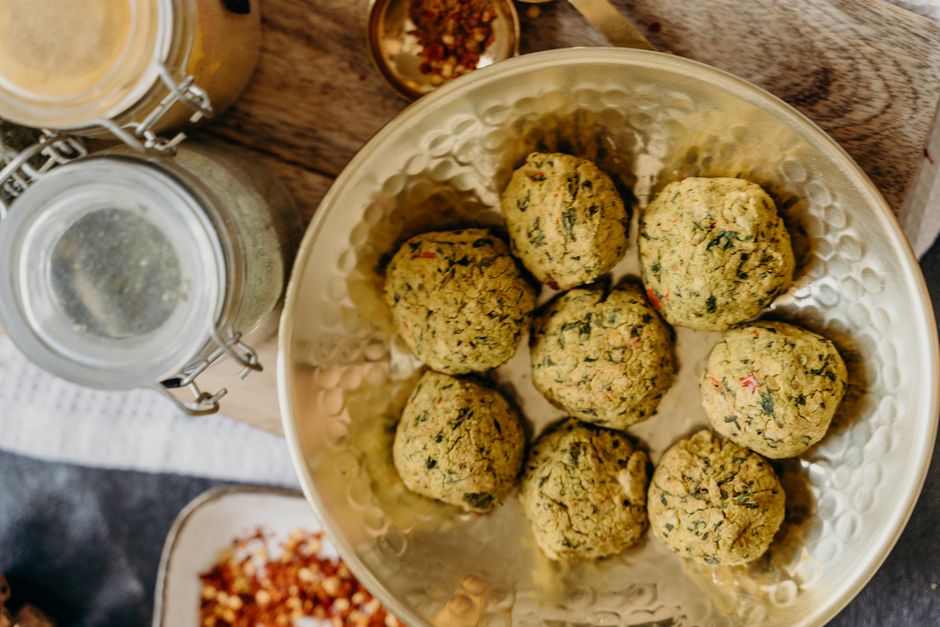
Falafel is not always gluten free, but it can be. The main ingredient is chickpeas or fava beans, which are naturally gluten free. The problem is almost always the coating, the frying oil, or the pita bread it is served with. You need to know what to ask about before you order or buy it.
What Is Falafel Made Of?
Traditional falafel starts with dried chickpeas or fava beans. These are soaked, ground, and mixed with herbs, garlic, onion, and spices. The mixture is shaped into balls or patties and then fried.
The base ingredients are naturally gluten free. Chickpeas and fava beans contain no wheat, barley, or rye. The herbs and spices used in most recipes are also gluten free.
But the recipe is only half the story. How the falafel is prepared matters just as much as what goes into the mixture.
Where Gluten Hides in Falafel
Many falafel recipes add a binder to hold the mixture together. Some cooks use flour. Wheat flour is the most common choice, though some recipes use chickpea flour instead. If wheat flour is in the mixture, the falafel is not gluten free.
The coating is another concern. Some restaurants coat falafel in breadcrumbs before frying to create a crispier texture. Breadcrumbs contain gluten unless they are specifically labeled gluten free.
Cross-contamination in the fryer is a serious issue. Many restaurants use the same oil to fry falafel, pita bread, and other breaded items. If breaded chicken or onion rings share the fryer, gluten particles can stick to the falafel.
Even the pan matters if falafel is cooked to order. A flat top grill that cooks pita bread and other wheat products can transfer gluten to the falafel.
Is Falafel Gluten Free at Restaurants?
You cannot assume restaurant falafel is gluten free. The safest approach is to ask direct questions.
Ask whether the falafel mixture contains flour. Ask whether the coating contains breadcrumbs. Ask whether the fryer is dedicated to gluten free items only. Ask how the falafel is cooked if it is not fried.
Some restaurants do offer gluten free falafel. They use chickpea flour as a binder and cook in a dedicated fryer. But this is not the default. Each restaurant operates differently.
Middle Eastern and Mediterranean restaurants often make falafel from a family recipe that has been passed down for generations. Those recipes may or may not include wheat flour. There is no universal standard.
If you have celiac disease, the risk of cross-contamination is real. Even small amounts of gluten can trigger symptoms and cause intestinal damage. If you are sensitive to gluten but do not have celiac disease, your tolerance level may vary, but the same caution applies.




How to Order Falafel Safely
Start by telling your server you have a gluten allergy or intolerance. Be specific about what that means. Say that you need the falafel to contain no wheat flour, no breadcrumbs, and no shared frying oil.
Ask if the falafel is made in-house. Pre-made frozen falafel from a supplier may contain fillers or wheat-based binders that the restaurant staff may not know about. If they cannot confirm the ingredients, do not order it.
Ask about the pita bread. Falafel is often served in or with pita. Pita is made from wheat and is not gluten free. If the falafel is placed in pita and then removed, crumbs can remain on the falafel.
Ask about sauces and sides. Tahini is made from sesame seeds and is naturally gluten free. But some restaurant sauces may contain soy sauce, which typically includes wheat. Hummus is usually gluten free, but it can be cross-contaminated if served with pita on the same plate.
When in doubt, ask for the falafel served on a plate with no pita contact. Request that the kitchen use clean utensils and a clean preparation surface.
Is Store-Bought Falafel Gluten Free?
Packaged falafel mixes and frozen falafel products vary widely. You must read the ingredient label carefully.
Many falafel mixes contain wheat flour as a binder. Some contain breadcrumbs. Others are specifically formulated to be gluten free and will carry a gluten free certification label.
Look for the gluten free label. In the United States, products labeled gluten free must contain less than 20 parts per million of gluten. This is the standard established by the FDA and is considered safe for most people with celiac disease.
If a product does not carry the gluten free label, check the ingredient list for wheat, barley, rye, and malt. Also check for vague terms like “natural flavors” or “spices” that could contain gluten. When in doubt, contact the manufacturer.
Frozen falafel that is certified gluten free is a reliable option. You control the cooking oil at home, which eliminates the cross-contamination risk of a restaurant fryer.
How to Make Gluten Free Falafel at Home
Making falafel at home gives you full control over every ingredient. The process is simple and the results are worth the effort.
Start with dried chickpeas. Do not use canned chickpeas for traditional falafel. Canned chickpeas are already cooked and contain too much moisture. The falafel will fall apart in the oil. Soak dried chickpeas in water overnight, then drain them well.
Combine the soaked chickpeas in a food processor with fresh parsley, cilantro, garlic, onion, cumin, coriander, and salt. Pulse until the mixture is coarse and holds together when pressed. Do not over-process into a paste.
Chickpea flour is the best gluten free binder. Add one or two tablespoons to help the mixture hold its shape. You can also use a small amount of gluten free all-purpose flour if you prefer.
Shape the mixture into small balls or patties. Chill them in the refrigerator for at least 30 minutes. This step helps them hold together during frying.
Heat oil in a deep pan to about 350°F. Fry the falafel in small batches until golden brown on all sides. Remove with a slotted spoon and drain on paper towels.
Baking is a lighter alternative. Place the falafel on a parchment-lined baking sheet and brush lightly with oil. Bake at 375°F for 25 to 30 minutes, flipping halfway through. Baked falafel is less crispy than fried but still flavorful.
Serve your homemade falafel with gluten free pita or lettuce wraps, fresh vegetables, and tahini sauce. This is the only way to be fully certain your falafel contains no gluten.
What About Falafel in Other Countries?
Falafel recipes vary by region. Egyptian falafel, known as ta’amiya, is often made with fava beans. Levantine falafel from countries like Lebanon, Syria, and Palestine is typically made with chickpeas.
Some regional variations include different binders. In some areas, falafel is made with a mixture of chickpeas and bulgur wheat. Bulgur is cracked wheat and contains gluten. If you are traveling or eating at an authentic restaurant, ask whether bulgur is in the recipe.
Israeli falafel is usually chickpea-based and served in pita with salads and sauces. The falafel itself is often gluten free, but the pita is not.
Your location does not determine whether falafel is gluten free. The individual recipe and preparation method do.
Gluten Free Falafel Alternatives
If you cannot find a gluten free falafel option, there are alternatives that provide similar flavor and texture.
Some brands make gluten free falafel using chickpea flour as the sole binder. These are available in the frozen section of many grocery stores.
You can also try making falafel patties from chickpea flour alone, without whole chickpeas. This produces a softer texture but eliminates any concern about binders.
Chickpea-based veggie burgers are another option. Many are gluten free, though you should always check the label for wheat-based fillers.
If you are at a restaurant and falafel is not safe, consider ordering hummus with vegetable sticks instead of pita, or grilled meats with rice and vegetables. These options are more likely to be gluten free.
Frequently Asked Questions
Is falafel gluten free from most restaurants?
No, most restaurants do not guarantee gluten free falafel. You must ask about flour in the mixture, breadcrumb coatings, and shared frying oil.
Can I eat falafel if I have celiac disease?
You can eat falafel only if you confirm it contains no wheat flour, no breadcrumbs, and is fried in a dedicated gluten free fryer. Otherwise the cross-contamination risk is too high.
What is the best gluten free binder for homemade falafel?
Chickpea flour is the best gluten free binder for falafel. Use one to two tablespoons per batch of soaked chickpeas to help the mixture hold together.
Is pita bread gluten free?
No, traditional pita bread is made from wheat flour and is not gluten free. Ask for falafel served on a plate without pita contact.
