
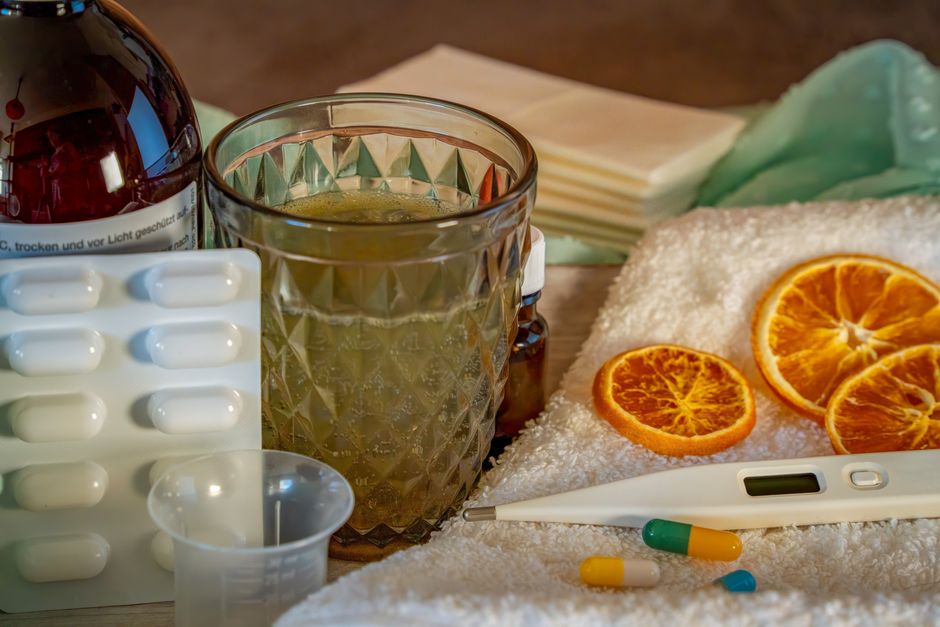
When you are sick, staying hydrated matters, but the best drink depends on what is wrong. Gatorade can help replace fluids and electrolytes lost through sweating, vomiting, or diarrhea, but it is not the best choice for every illness. For most adults with mild dehydration from a stomach bug or fever, Gatorade is a reasonable option. For severe dehydration, or for people with certain health conditions like diabetes or kidney disease, it may not be the right pick.
What Is Gatorade Actually Doing in Your Body?
Gatorade is a sports drink designed for athletes. It contains water, sugar, and electrolytes — mainly sodium and potassium. Electrolytes are minerals that carry an electrical charge. They help your muscles, nerves, and organs work properly.
When you sweat, you lose water and sodium. When you vomit or have diarrhea, you lose those same things, plus potassium. Replacing them helps your body hold onto the fluids you drink. That is the basic reason Gatorade can help when you are sick.
The sugar in Gatorade serves a purpose too. Sugar helps your intestines absorb sodium and water more efficiently. That is why plain water alone is not always enough when you have lost a lot of fluids.
Is Gatorade Good For You When Sick?
For mild dehydration, yes. Gatorade can replace fluids, sodium, and potassium. It is especially useful if you cannot keep food down and need quick energy.
But there are limits. Gatorade was formulated for athletes, not sick people. The sugar content is high — roughly 34 grams per 20-ounce bottle. That is close to the sugar in a can of soda. For someone with a fever or an infection, that much sugar may not be ideal.
For most healthy adults, the sugar is not dangerous. It helps with absorption. But it can also worsen diarrhea in some cases. Sugar draws water into the intestines, which can make loose stools looser.
How Does Gatorade Compare to Oral Rehydration Solutions?
Oral rehydration solutions — often called ORS — are the medical standard for replacing fluids lost through diarrhea and vomiting. Products like Pedialyte are designed for this purpose. The World Health Organization has used ORS for decades to treat dehydration worldwide.
The key difference is the balance of sugar and salt. ORS has a specific ratio of sodium to glucose that maximizes fluid absorption. Gatorade has more sugar and less sodium than most ORS formulas.
Here is a rough comparison:
- Gatorade (20 oz): About 140 calories, 34 grams of sugar, 270 mg sodium, 75 mg potassium
- Pedialyte (12 oz): About 100 calories, 25 grams of sugar, 370 mg sodium, 280 mg potassium
Pedialyte has more sodium and potassium per ounce and less sugar. For severe fluid loss, that makes it a better choice. For a mild cold with a low fever, Gatorade is fine.





When Should You Skip Gatorade?
There are situations where Gatorade is not a good idea. If you have diabetes, the sugar content can spike your blood sugar. If you have kidney disease, the potassium in Gatorade may be more than your kidneys can handle.
If you have high blood pressure and take certain diuretics, the extra sodium could be a concern. Talk to your doctor about what is safe for your specific situation.
For infants and young children, Gatorade is not recommended. Children’s bodies handle fluids differently. Pediatric electrolyte solutions are formulated specifically for them. No clinical guidelines support using Gatorade for dehydrated infants or toddlers.
What About Gatorade Zero or Gatorade Light?
Gatorade Zero contains no sugar. It uses artificial sweeteners instead. That makes it appealing for people watching their sugar intake.
But there is a trade-off. The sugar in regular Gatorade helps your body absorb sodium and water. Without it, absorption is less efficient. Gatorade Zero may still provide electrolytes, but it does not work as well for rapid rehydration.
Some research suggests that drinks with a small amount of sugar and sodium rehydrate better than sugar-free versions. If you need quick fluid replacement, regular Gatorade is the better choice. If you are mildly dehydrated and watching sugar, Gatorade Zero is acceptable but not ideal.
What Should You Drink Instead?
For most mild illnesses, plain water is enough. Your body can usually regulate its own fluid balance if you are not losing large amounts through vomiting or diarrhea.
If you are losing fluids, here are your best options:
- Oral rehydration solutions: Best for significant fluid loss from vomiting, diarrhea, or high fever
- Coconut water: Naturally contains potassium and sodium, but not in the exact balance your body needs for severe dehydration
- Broth or soup: Provides sodium and fluids, plus some calories
- Water with a pinch of salt and sugar: A homemade version of an ORS, though commercial options are more reliable
Sports drinks like Gatorade are not the only option. They are simply the most familiar one.
How Much Should You Drink When Sick?
There is no single number that works for everyone. The old advice to drink eight glasses of water a day is not based on strong evidence. Your needs depend on your size, your illness, and how much you are losing.
A practical approach: drink enough that your urine stays light yellow. Dark urine is a sign you need more fluids. If you are vomiting and cannot keep anything down, sip small amounts frequently rather than drinking large volumes at once.
If you cannot keep fluids down for more than 24 hours, or if you show signs of severe dehydration — dizziness, confusion, rapid heartbeat, or no urination for 8 hours — seek medical care. Do not try to manage that at home.
Does Gatorade Help With a Cold or Flu?
A cold rarely causes significant fluid loss. If you have a runny nose and a mild cough, water is sufficient. Gatorade does not treat cold symptoms. It does not shorten the illness.
The flu is different. High fever causes sweating, which leads to fluid loss. Vomiting and diarrhea can also occur with the flu. In those cases, Gatorade can help replace what you lose.
But remember: Gatorade is not a medicine. It does not fight the virus. It only replaces fluids and electrolytes. The illness still needs to run its course.
Can Gatorade Make You Feel Worse?
In some cases, yes. If you have diarrhea, the sugar in Gatorade can make it worse. Sugar is an osmotic agent — it pulls water into the gut. That can increase stool output.
If you are nauseous, the sweetness and volume of Gatorade can trigger vomiting. Sip it slowly. Do not chug it.
Some people also find that cold drinks upset their stomach when they are sick. Room-temperature fluids are often better tolerated.
What the Evidence Actually Shows
Research on sports drinks for illness is limited. Most studies focus on oral rehydration solutions, not Gatorade specifically. The evidence that does exist suggests that sports drinks can be used for mild dehydration, but they are not superior to ORS.
Some studies indicate that sports drinks have too much sugar and too little sodium to be ideal for rehydration after diarrhea. This is why pediatric guidelines recommend ORS for children, not sports drinks.
For adults with mild dehydration, the evidence does not show that Gatorade is harmful. It just shows that it is not the most precisely balanced option available.
Frequently Asked Questions
Can Gatorade dehydrate you more?
No, Gatorade does not dehydrate you. It contains fluids and electrolytes that help with hydration.
The sugar in it can worsen diarrhea in some people, which could increase fluid loss.
Is Gatorade better than water when sick?
Only if you have lost significant electrolytes through sweating, vomiting, or diarrhea. For mild illness, water is sufficient.
Gatorade provides sodium and potassium that water lacks, but also adds sugar you may not need.
Can you drink Gatorade with a fever?
Yes, Gatorade can help replace fluids and electrolytes lost through sweating from a fever. Sip it slowly if you feel nauseous.
If the fever is high or lasts more than a few days, seek medical advice.
Is Gatorade safe for children with stomach flu?
Gatorade is not recommended for children with stomach flu. Pediatric electrolyte solutions are formulated for children’s needs.
For infants and toddlers, no clinical guidelines support using Gatorade. Use an age-appropriate ORS instead.
