
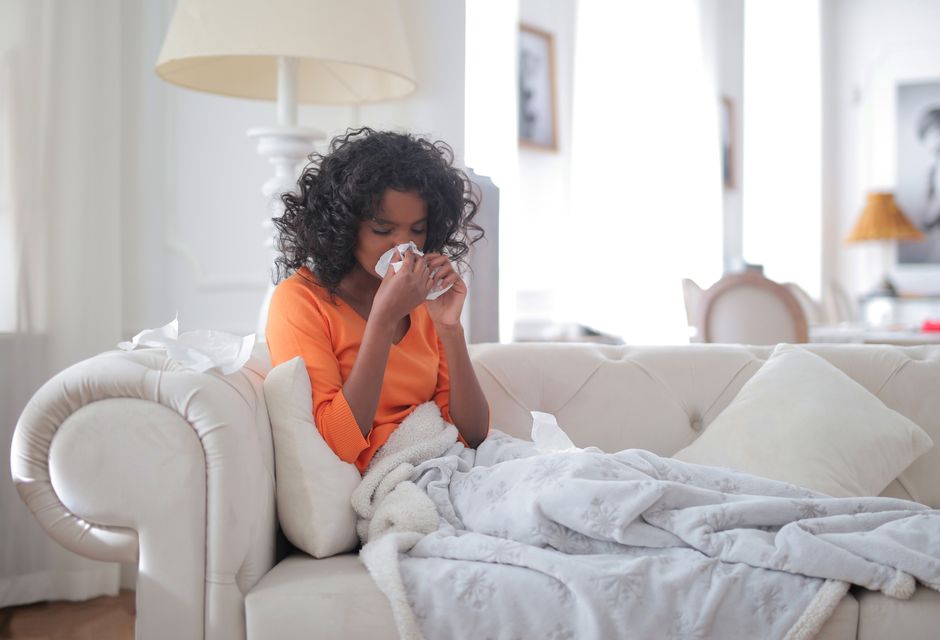
Caring for a sick person at home starts with the basics: keep them hydrated, encourage rest, and monitor their temperature and symptoms closely. Focus on comfort, prevent the spread of germs to others in the house, and know the warning signs that mean you need to call a doctor. Most common illnesses like colds, flu, and stomach bugs can be managed at home with supportive care, but knowing when to seek medical help is just as important as knowing how to soothe a fever.
What Supplies Do You Need To Care For A Sick Person At Home?
Having the right supplies ready before you need them makes caregiving much easier. You do not need a hospital setup, but a few key items will cover most situations.
Keep a working thermometer on hand. Digital thermometers that read in the mouth, armpit, or ear are accurate and easy to use. For children under three months, a rectal thermometer is the most accurate method, but always follow the manufacturer’s instructions carefully.
Stock up on basic fever reducers like acetaminophen or ibuprofen. Check the label for the correct dose based on age and weight. Do not give aspirin to children or teenagers because of the risk of Reye’s syndrome, a rare but serious condition that affects the brain and liver.
Other useful items include electrolyte drinks or oral rehydration solutions, tissues, hand sanitizer, and a clean set of linens. Having a dedicated cup or water bottle for the sick person can help reduce the spread of germs, though washing dishes in hot soapy water is also effective.
How Do You Manage A Fever At Home?
A fever is a sign that the immune system is fighting an infection. It is not an illness itself. For most healthy adults and older children, a fever does not always need treatment with medication unless it is causing discomfort.
Encourage fluids frequently. Fever increases fluid loss, and dehydration makes recovery slower. Water, clear broths, and electrolyte drinks are all good options. For young children, oral rehydration solutions like Pedialyte are often recommended.
Dress the person in light clothing and keep the room at a comfortable temperature. Do not bundle them in heavy blankets, as this can trap heat and raise the body temperature further. Sponging with lukewarm water can provide comfort, but cold water or alcohol rubs are not recommended and can be dangerous.
For adults and children over six months, fever reducers can be used if the fever is causing significant discomfort. Acetaminophen and ibuprofen are the most common options. Do not alternate them unless a doctor specifically instructs you to, as this can lead to dosing errors.
How Should You Handle Coughs And Congestion?
Coughs and congestion are common with colds and flu. The goal of home care is to ease symptoms while the immune system does its work.
For congestion, a cool-mist humidifier in the room can add moisture to the air and help loosen mucus. Saline nasal sprays or drops can also help clear a stuffy nose, especially in young children who cannot blow their noses well. For infants, a bulb syringe can remove mucus, but use it gently and not more than a few times a day.
Honey is a well-studied option for cough relief in adults and children over one year old. Research has found that a small spoonful of honey can be as effective as some over-the-counter cough syrups for nighttime cough. Never give honey to infants under one year old because of the risk of infant botulism.
Over-the-counter cough and cold medicines should not be given to children under four years old. The American Academy of Pediatrics advises against them because they have not been shown to work in young children and can cause side effects. For older children and adults, these medicines may offer some relief, but they do not cure the underlying infection.





What Should A Sick Person Eat And Drink?
Hydration is the single most important part of caring for someone who is sick. Fever, sweating, vomiting, and diarrhea all cause fluid loss that needs to be replaced.
Water is usually sufficient for mild illness. For vomiting or diarrhea, electrolyte solutions are better because they replace the salts and minerals the body loses. Sports drinks can work for adults, but they contain sugar that can worsen diarrhea in some cases. Oral rehydration solutions are designed for this exact purpose and are the safer choice for children.
Do not force food. Appetite often drops during illness, and that is normal. The old advice to “feed a cold, starve a fever” is not backed by modern evidence. The best approach is to offer small, bland meals when the person feels like eating. Soups, toast, crackers, rice, and bananas are gentle on the stomach. Avoid greasy, spicy, or heavily processed foods.
If the person cannot keep fluids down for more than 24 hours, contact a doctor. Persistent vomiting that prevents any fluid intake is a reason to seek medical advice.
How Do You Prevent Spreading The Illness To Others?
Many common illnesses spread through respiratory droplets when a person coughs or sneezes. Some also spread through touching contaminated surfaces. Reducing the spread at home takes a few practical steps.
Ask the sick person to cover their mouth and nose with a tissue when coughing or sneezing. If no tissue is available, coughing into the elbow is better than into the hands. Dispose of used tissues immediately and wash hands afterward.
Frequent handwashing is the most effective way to stop the spread of most infections. Wash with soap and water for at least 20 seconds. Hand sanitizer with at least 60% alcohol is a good backup when soap and water are not available.
Clean high-touch surfaces daily. Doorknobs, light switches, remote controls, phones, and bathroom fixtures are the most likely places to pick up germs. A standard household disinfectant or a bleach solution works well. The CDC recommends a solution of one-third cup of bleach per gallon of water for disinfecting surfaces.
If possible, the sick person should use a separate bathroom and sleep in a separate room. This is especially important for flu and COVID-19. If sharing a room is unavoidable, keeping a window open for ventilation can help reduce the concentration of airborne particles.
When Should You Call A Doctor?
Knowing when to seek medical help is a critical part of home care. Most illnesses resolve on their own, but some require professional treatment.
For adults, call a doctor if the fever reaches 103°F (39.4°C) or higher, or if a fever lasts more than three days. Seek immediate medical care if the person has difficulty breathing, chest pain, confusion, or difficulty waking up. Severe headache, stiff neck, or a rash that does not fade when pressed are also warning signs.
For children, the thresholds are different. Call a doctor if an infant under three months has a rectal temperature of 100.4°F (38°C) or higher. This is considered a medical emergency in newborns because their immune systems are not fully developed. For older children, seek medical advice if a fever lasts more than three days, if they are not drinking enough fluids, or if they show signs of dehydration such as dry mouth, no tears when crying, or urinating less than usual.
Any difficulty breathing, bluish lips or face, or a seizure requires emergency care. Trust your instincts. If a child looks unusually lethargic or is not interacting normally, seek medical attention even if the symptoms seem mild.
How Do You Care For Someone With Vomiting Or Diarrhea?
Stomach bugs are extremely common and usually resolve within one to three days. The main risk is dehydration, so fluid replacement is the priority.
Start with small, frequent sips of fluid rather than large amounts at once. For a child, offer a teaspoon or two of oral rehydration solution every five to ten minutes. For adults, small sips of water or an electrolyte drink every few minutes is a good starting point. If fluids stay down, gradually increase the amount.
Do not give anti-diarrheal medications to children. They can have serious side effects and are not recommended. For adults, these medications can be used for mild diarrhea, but they should not be used if there is a high fever or blood in the stool, as these can be signs of a bacterial infection that needs medical treatment.
Once vomiting has stopped for several hours, bland foods can be introduced. The BRAT diet — bananas, rice, applesauce, and toast — is a traditional approach that is still reasonable, though modern guidance suggests that a more varied bland diet is fine as long as the person tolerates it.
Frequently Asked Questions
How long should someone stay home when sick?
Most people with colds or flu should stay home until they have been fever-free for at least 24 hours without using fever-reducing medication. For stomach bugs, wait at least 48 hours after the last episode of vomiting or diarrhea before returning to normal activities.
Is it safe to give a sick person over-the-counter cold medicine?
Over-the-counter cold medicines are safe for adults when taken according to the label, but they are not recommended for children under four years old. They treat symptoms rather than the infection itself, and many doctors now recommend letting the body fight the virus naturally.
Can I catch the illness from caring for someone who is sick?
Yes, many respiratory and stomach infections are contagious. Washing your hands frequently, wearing a mask if the illness is airborne, and cleaning shared surfaces reduces your risk, but it does not eliminate it completely.
What is the best way to take a temperature?
For accurate readings, use a digital thermometer under the tongue for adults and older children. For infants, a rectal reading is the most accurate. Ear and forehead thermometers are convenient but can be less precise if not positioned correctly.
