
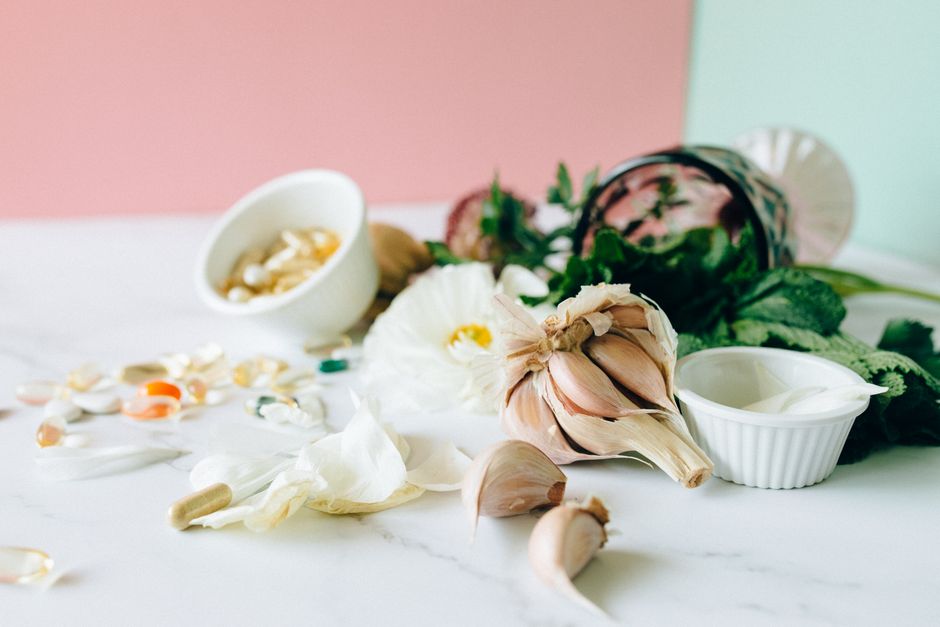
Garlic is healthy for you, and the evidence for its benefits is stronger than for most foods you will read about. Research consistently shows that regular garlic consumption can support heart health, immune function, and blood pressure, though it is not a cure for any disease. The active compound allicin, released when garlic is crushed or chewed, is responsible for most of its biological effects.
What Makes Garlic So Special?
Garlic belongs to the allium family, along with onions, leeks, and shallots. What sets it apart is a sulfur-containing compound called allicin. When a garlic clove is intact, allicin does not exist. It only forms when the clove is crushed, chopped, or chewed, which brings two separate compounds into contact with each other.
This is why how you prepare garlic matters. Swallowing a whole clove does little. Crushing it and letting it sit for several minutes before cooking allows allicin to form and stabilize. The compound is fragile and breaks down quickly with heat, which is why some research suggests letting crushed garlic rest before cooking preserves more of its active compounds.
Can Garlic Lower Blood Pressure?
Yes, but the effect is modest. Multiple clinical trials have examined garlic supplements in people with high blood pressure, and the results are consistent enough to take seriously. Studies have found that aged garlic extract can reduce systolic blood pressure by several points in people with hypertension, though not in people with normal blood pressure.
The effect is comparable to what you might expect from lifestyle changes like increased physical activity. It is not a replacement for medication. Anyone currently taking blood pressure medication should not stop it in favor of garlic. But adding garlic to your diet is a reasonable and safe step for most people.
The mechanism is not fully understood, but garlic appears to stimulate the production of nitric oxide, a molecule that relaxes blood vessels and improves blood flow. This is the same pathway that many blood pressure medications target, though garlic acts through a different, gentler route.
Does Garlic Support the Immune System?
Research on garlic and immunity is promising but less definitive than the blood pressure data. Some clinical trials have found that people taking garlic supplements experienced fewer colds and recovered faster when they did get sick. Other trials show no significant difference.
The evidence is mixed, which is an honest place to be. What is clear is that garlic has antimicrobial properties in laboratory settings. It can inhibit the growth of certain bacteria and viruses in a petri dish. Whether these effects translate meaningfully to a human respiratory infection is less certain.
One thing researchers agree on: garlic is not a substitute for vaccination or standard medical care during an active infection. Its role, if any, is supportive and preventive, not curative.




What About Garlic and Cholesterol?
Garlic has been studied for its effects on cholesterol for decades. The research shows a small but real benefit. People who consume garlic regularly tend to see modest reductions in total cholesterol and LDL cholesterol, the type associated with increased heart disease risk.
The size of the effect matters here. We are talking about a few percentage points of reduction, not the dramatic changes seen with statin medications. For someone with mildly elevated cholesterol, garlic might help nudge numbers in the right direction. For someone with significantly high cholesterol, garlic alone will not be enough.
Some research also suggests garlic may help raise HDL cholesterol, the protective type, though this finding is less consistent across studies.
Raw Garlic vs. Cooked Garlic vs. Supplements
The form of garlic you consume changes what you get from it. This is not marketing talk. It is chemistry.
Raw garlic contains the most active allicin. Eating one to two cloves daily is what most clinical research has used to show benefits. The downside is obvious: taste, odor, and digestive discomfort for some people.
Cooked garlic loses some allicin to heat, but it still retains other beneficial compounds. Cooking garlic is not useless. It just delivers less of the specific compound most associated with health effects.
Aged garlic extract is different from fresh garlic. It contains no allicin, but it has other stable sulfur compounds that have shown antioxidant and anti-inflammatory effects in research. Many of the positive blood pressure studies used aged garlic extract specifically.
Garlic powder supplements vary widely in quality. Some are standardized to contain specific amounts of allicin potential. Others are not. There is no FDA oversight requiring supplements to contain what their labels claim, so choosing a reputable brand matters if you go this route.
How Much Garlic Do You Need?
There is no official daily recommendation for garlic, because it is a food, not a nutrient with an established requirement. Clinical studies have used doses ranging from one clove daily up to several hundred milligrams of extract.
A reasonable interpretation of the evidence: one to two fresh cloves daily is a reasonable target for adults who tolerate it well. For supplements, follow the manufacturer’s instructions and choose products standardized for allicin content.
No clinical guidelines currently exist for garlic intake in pregnant women, infants, or children. Culinary amounts are generally considered safe during pregnancy, but concentrated supplements have not been studied in this population.
Are There Any Risks or Side Effects?
Garlic is safe for most people in culinary amounts. The most common side effects are breath odor, body odor, and stomach upset. These are harmless but can be socially inconvenient.
There are real safety considerations for some people. Garlic has a mild blood-thinning effect. People taking anticoagulant medications like warfarin should talk to their doctor before using concentrated garlic supplements. The same applies to people scheduled for surgery, as garlic can prolong bleeding time.
Raw garlic can cause burns if applied directly to the skin. This is more common than most people realize. Cases of chemical burns from raw garlic poultices appear regularly in medical literature.
Garlic supplements can interact with certain medications, including some HIV medications and cyclosporine, an immunosuppressant drug. These interactions are well documented. If you take prescription medication, discuss garlic supplements with your pharmacist or doctor.
What Garlic Cannot Do
Garlic has a reputation as a cure-all that the evidence does not support. It does not cure cancer, despite what some headlines suggest. Some population studies have found that people who eat more garlic have lower rates of certain cancers, but these are observational findings that cannot prove cause and effect.
Garlic does not treat active infections like strep throat or pneumonia. It does not prevent COVID-19. It does not lower blood sugar in people with diabetes in any clinically meaningful way. No study has confirmed any of these claims.
The pattern is consistent across food research: garlic is a health-promoting food, not a medicine. It works best as part of an overall diet that includes vegetables, fruits, whole grains, and lean proteins. No single food, garlic included, can compensate for a poor diet.
Frequently Asked Questions
Is garlic healthy for you every day?
Yes, eating garlic daily in culinary amounts is healthy for most adults. One to two cloves per day is consistent with the amounts used in clinical research.
Does cooking garlic destroy its health benefits?
Cooking reduces allicin, the most active compound, but garlic still retains other beneficial sulfur compounds after cooking. Letting crushed garlic sit for 10 minutes before heating preserves more of the active compounds.
Can garlic interact with blood pressure medication?
Garlic can enhance the effects of blood pressure medication, potentially causing blood pressure to drop too low in some people. If you take medication for hypertension, tell your doctor before adding garlic supplements to your routine.
Is garlic safe to eat during pregnancy?
Culinary amounts of garlic are considered safe during pregnancy. Concentrated garlic supplements have not been studied in pregnant women, so they are not recommended without medical guidance.
