
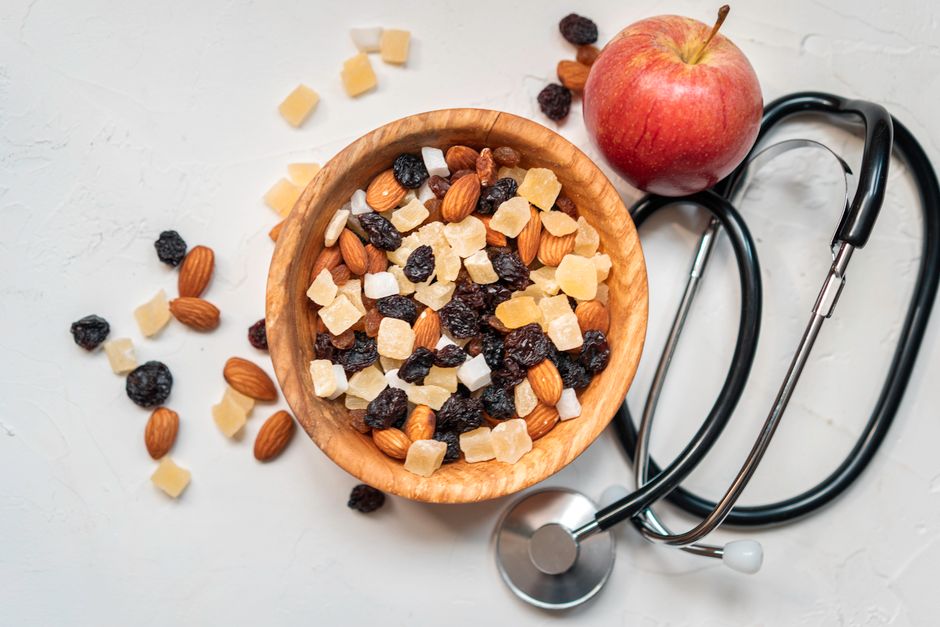
Dried fruit is healthy, but it is not the same as fresh fruit. The drying process removes water, which concentrates both the nutrients and the sugar. A small handful of dried fruit can be a nutritious snack, but eating large amounts can add a lot of sugar and calories to your day. The key is understanding portion sizes and choosing the right types.
What Happens to Fruit When It Is Dried?
When you remove the water from fruit, the volume shrinks, but the calories, sugar, and fiber stay. This means a cup of fresh grapes and a quarter cup of raisins contain roughly the same amount of sugar and calories. The difference is that the raisins take up much less space in your stomach.
This concentration is the main reason portion control matters with dried fruit. It is very easy to eat a large number of calories without feeling full. The fiber remains intact, which is good, but the sugar is also highly concentrated.
Most commercial dried fruits have added sugar. Manufacturers often add sugar or fruit juice to make the product sweeter and softer. This is an added source of calories that you do not get from eating fresh fruit.
Is Dried Fruit Healthy Compared to Fresh Fruit?
Dried fruit retains most of the vitamins and minerals found in fresh fruit. The drying process can reduce some heat-sensitive vitamins, particularly vitamin C. However, the fiber, potassium, and antioxidants largely remain.
The main nutritional difference is water content and sugar density. Fresh fruit has a high water content that helps you feel full. Dried fruit lacks this water, so it is easier to overeat.
For most people, fresh fruit is the better everyday choice because it is more filling for the same number of calories. Dried fruit works well as a portable snack or an addition to meals, but it should be treated as a concentrated food.
Which Dried Fruits Are the Healthiest?
Some dried fruits stand out for their nutrient profiles. Prunes are well studied for digestive health because of their high fiber and sorbitol content. Research consistently shows that prunes can help relieve constipation.
Raisins are a good source of potassium and iron. They are also one of the most affordable dried fruits. Dates are high in fiber and minerals like potassium and magnesium, but they are also among the sweetest dried fruits.
Dried apricots provide vitamin A and iron. Unsulfured apricots are darker in color and avoid the sulfur dioxide used to preserve the bright orange color. Sulfur dioxide can trigger asthma symptoms in sensitive people.
Dried berries like cranberries and blueberries are often sweetened to reduce their natural tartness. Check the label carefully. Unsweetened dried cranberries are very tart, which is why most commercial versions have added sugar.





How Much Dried Fruit Should You Eat?
The USDA considers a serving of dried fruit to be about a quarter cup. This is roughly equivalent to one cup of fresh fruit. A quarter cup of raisins is about the size of a golf ball.
Most people eat much more than this in one sitting. It is common to eat half a cup or more of dried fruit as a snack, which can easily add 200 to 300 calories.
A practical approach is to measure out a single serving into a small container rather than eating directly from the bag. This simple step prevents mindless overeating. You can also pair dried fruit with nuts or seeds to add protein and healthy fat, which helps slow sugar absorption.
Does Dried Fruit Spike Blood Sugar?
Yes, dried fruit has a higher glycemic index than fresh fruit in most cases. The glycemic index measures how quickly a food raises blood sugar. Because dried fruit is concentrated, it delivers sugar to the bloodstream faster than the same fruit in fresh form.
This matters most for people with diabetes or prediabetes. If you have diabetes, you should treat dried fruit like any other source of concentrated carbohydrate. A small serving can fit into a balanced meal plan, but you should not eat it freely.
Pairing dried fruit with protein or fat can blunt the blood sugar response. For example, a few dates stuffed with almond butter or a small handful of raisins mixed with walnuts will raise blood sugar more slowly than eating the dried fruit alone.
Are There Hidden Risks in Dried Fruit?
Some dried fruits are coated with added sugar, which defeats some of the health benefits. Check the ingredient list. If sugar, corn syrup, or fruit juice concentrate appears, the product has added sweetness.
Dried fruit can also stick to teeth. The sticky texture and concentrated sugar create an environment where cavity-causing bacteria thrive. This is a real concern for dental health, especially for children who snack on raisins or dates.
Sulfites are used to preserve color in some dried fruits like apricots and golden raisins. The FDA requires these to be listed on the label. People with asthma should avoid sulfited dried fruits and choose unsulfured varieties instead.
Some dried fruit products are marketed as “fruit snacks” but are actually candy. These often contain very little actual fruit and are high in added sugar. Real dried fruit has one ingredient: the fruit itself.
What About Freeze-Dried Fruit?
Freeze-dried fruit is a different product from traditional dried fruit. It is made by freezing the fruit and removing the water under a vacuum. This process preserves more vitamin C than traditional drying because it uses cold temperatures instead of heat.
Freeze-dried fruit is crispy rather than chewy. It is often used in cereals and snacks. Many freeze-dried products have no added sugar, making them a reasonable option.
However, freeze-dried fruit is still concentrated. The same portion control rules apply. It is also more expensive than traditional dried fruit, which may limit how often you choose it.
How to Choose the Best Dried Fruit
Read the ingredient list before buying. The best dried fruit has only one ingredient: the fruit. If there are added sugars, oils, or preservatives beyond the fruit itself, you are getting a more processed product.
Look for dried fruit that is soft but not sticky with syrup. The texture should come from the fruit’s natural moisture, not from added sweeteners. Organic varieties are available but not necessary for health.
Store dried fruit in a cool, dark place in an airtight container. Properly stored, it can last for months. If it develops an off smell or mold, throw it out.
Frequently Asked Questions
Is dried fruit good for weight loss?
Dried fruit can fit into a weight loss plan if you control portions. A quarter cup serving is reasonable, but eating larger amounts adds significant calories quickly.
Does dried fruit count as a serving of fruit?
Yes, a quarter cup of dried fruit counts as one serving of fruit. This is roughly equivalent to one cup of fresh fruit in terms of nutrients.
Can diabetics eat dried fruit?
Diabetics can eat dried fruit in small portions, but it raises blood sugar faster than fresh fruit. Pairing it with protein or fat and measuring portions carefully is important.
Is dried fruit bad for your teeth?
Dried fruit can contribute to cavities because it is sticky and high in sugar. Rinsing your mouth with water after eating it and brushing regularly can reduce this risk.
