
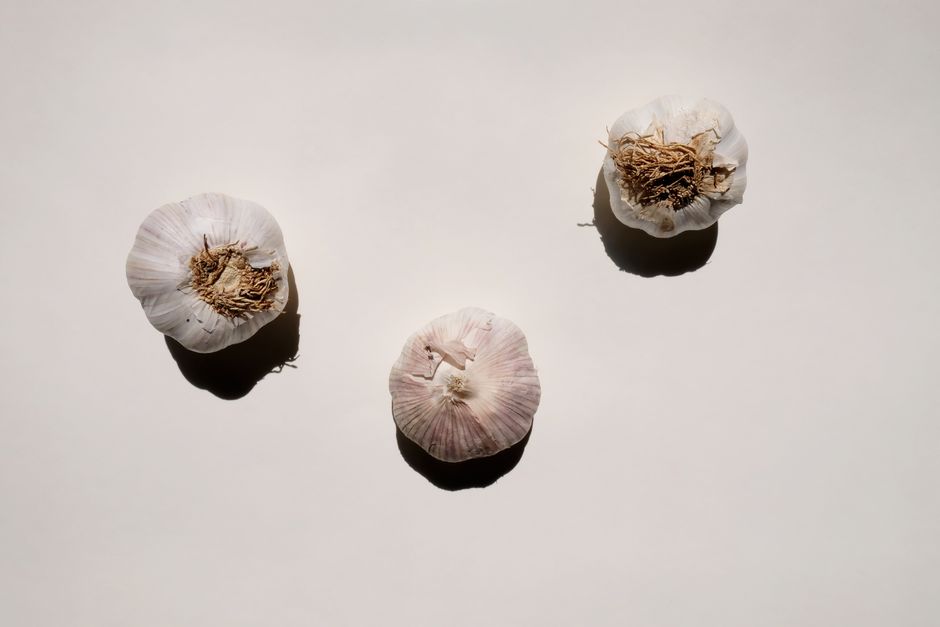
Garlic has been used as medicine for thousands of years. Today, it sits in kitchens and supplement bottles with big promises attached. When it comes to inflammation, garlic does have real biological activity — but the gap between what happens in a lab dish and what happens in your body is wider than most supplement labels admit.
Here is the honest short answer: garlic contains compounds that can influence inflammatory pathways, and some human studies show modest effects on certain markers of inflammation. But the evidence is not strong enough to call garlic a treatment for inflammatory disease. It is a food with plausible benefits, not a proven therapy.
How Does Garlic Actually Affect Inflammation?
Garlic’s active chemistry centers on a compound called allicin. It does not exist in a whole, untouched garlic clove. Allicin forms only when garlic is chopped, crushed, or chewed, which mixes an enzyme called alliinase with a compound called alliin. That reaction creates allicin, the molecule responsible for garlic’s sharp smell and much of its studied activity.
Once formed, allicin is unstable. It breaks down quickly into other sulfur-containing compounds, including diallyl disulfide and S-allyl cysteine. These are the molecules researchers actually track in blood and tissue.
In laboratory studies, these sulfur compounds interfere with several inflammation-related pathways. They can reduce the activity of NF-kB, a protein complex that switches on genes involved in inflammatory signaling. They also appear to influence COX-2, an enzyme that plays a role in pain and swelling and is the target of common anti-inflammatory drugs.
That sounds promising. It is also where a lot of supplement marketing stops — at the cell study. Cells in a dish are not a human body. Compounds that calm inflammation in a petri dish often fail to do the same thing in living people, because the body breaks them down, limits how much reaches tissues, and regulates inflammation for good reasons.
So the mechanism is real. The clinical payoff is where the evidence gets thinner.
Is Garlic Good for Inflammation in Humans?
The human evidence is modest and inconsistent. Some small trials have found that garlic or aged garlic extract lowered certain blood markers of inflammation, such as C-reactive protein (CRP) and interleukin-6. Other trials found no meaningful change. Results vary by the type of garlic used, the dose, the length of the study, and the health of the people involved.
This matters because CRP is a general marker. A small drop does not automatically mean less pain, less joint damage, or better health outcomes. It means one blood value moved. Whether that translates into how a person actually feels is a separate question that most of these studies did not answer well.
One area where garlic has been studied more is cardiovascular health. Some research suggests garlic may have small effects on blood pressure and cholesterol, and inflammation is part of that picture. But even here, the effects tend to be small, and the studies are often short. The evidence does not support garlic as a replacement for prescribed medication.
What we can say with confidence: garlic is a healthy food with real bioactive compounds. What we cannot say: that eating garlic will noticeably reduce your inflammation or treat an inflammatory condition.
What About Garlic Supplements?
Garlic supplements are not all the same, and this is a bigger problem than most people realize. The market includes garlic powder, garlic oil, aged garlic extract, and products standardized to different compounds. A bottle labeled “garlic” can contain very different chemistry from the next bottle.
There is no single standard for what a garlic supplement should contain. Some products are standardized to allicin potential, others to S-allyl cysteine, and many list amounts that do not match what lab testing finds inside the pill. This makes it hard to compare studies, and even harder for you to know what you are taking.
A few practical points:
- Whole garlic and garlic powder from food are the forms with the longest history of use.
- Aged garlic extract is the form used in many of the human trials, but results are still mixed.
- Supplement quality varies widely, and labels are not always reliable.
- No garlic supplement is approved to treat or prevent any inflammatory disease.
If you want garlic’s compounds, using it in cooking is a reasonable and low-cost starting point. Whether a supplement adds anything beyond that is genuinely uncertain.




Can Garlic Replace Anti-Inflammatory Medication?
No. This is not close. Conditions like rheumatoid arthritis, inflammatory bowel disease, and psoriasis involve immune processes that require medical treatment. Garlic has never been shown to control these conditions, and relying on it instead of proven treatment can allow disease to progress.
Even for everyday aches and minor swelling, garlic has not been shown to work like ibuprofen or other anti-inflammatory drugs. The comparison is not fair, because the evidence for garlic at that level simply does not exist.
Some people use garlic alongside standard treatment, hoping to reduce how much medication they need. That is a conversation to have with a doctor, not a decision to make alone. Some medications interact with garlic, and stopping or reducing prescribed drugs without guidance can be dangerous.
Garlic can be part of a healthy diet. It is not a substitute for medical care.
Does Cooking Garlic Destroy Its Benefits?
Heat affects garlic’s chemistry, but the story is not simply “cooked garlic is useless.”
Allicin forms when raw garlic is crushed. Cooking soon after crushing can reduce how much allicin is produced, because heat deactivates the enzyme alliinase. This is why raw garlic has more allicin potential than cooked garlic.
But allicin is not the only active compound. Cooking creates other sulfur compounds, and aged garlic extract — which contains little to no allicin — still shows activity in some studies. So the idea that only raw garlic counts is too simple.
A common tip is to chop or crush garlic and let it sit for about ten minutes before cooking. This gives the enzyme time to form allicin before heat interferes. It is a reasonable habit, though no large human trial has confirmed that this timing changes health outcomes.
For most people, the practical answer is simple: use garlic however you enjoy it. Raw, cooked, or roasted, it is a healthy addition to meals. Chasing maximum allicin is not worth stressing over.
Are There Risks or Downsides to Garlic?
Garlic is generally safe as a food. For some people, though, it causes real problems.
Common side effects include heartburn, stomach upset, and a strong garlic odor on the breath and skin. These are more likely with supplements and with large amounts of raw garlic.
Garlic can also increase bleeding risk. This is a genuine concern for people taking blood thinners such as warfarin, and for anyone scheduled for surgery. Some surgeons ask patients to stop garlic supplements before an operation. If you take blood-thinning medication, talk to your doctor before using garlic supplements.
Garlic may interact with some other medications as well. Because supplement doses can be much higher than what you would eat in food, the risk of interaction is higher with pills than with cooking.
For most healthy adults, garlic in food is not a concern. The caution applies mainly to supplements and to people on specific medications.
What Does the Evidence Really Support?
Garlic is a genuinely interesting food from a biochemistry standpoint. Its sulfur compounds do interact with inflammatory pathways, and that has been shown repeatedly in laboratory research.
Where the story weakens is in human outcomes. Studies in people are fewer, smaller, and less consistent. Some show small changes in inflammation markers; others show none. Almost none show clear improvements in how people feel or in the course of a disease.
That does not make garlic worthless. It makes it a food with plausible but unproven anti-inflammatory benefits. The honest position is that garlic may support health as part of a balanced diet, but it is not a treatment for inflammation.
If you are dealing with chronic inflammation or an inflammatory condition, the things with the strongest evidence are the unglamorous ones: medical treatment when needed, a diet rich in vegetables and fiber, regular activity, enough sleep, and not smoking. Garlic can be part of that picture. It is not the answer on its own.
Frequently Asked Questions
Is garlic good for inflammation?
Garlic contains compounds that can influence inflammatory pathways, and some small human studies show modest effects on inflammation markers. The evidence is not strong enough to call garlic a treatment for inflammatory conditions.
How much garlic should I eat for inflammation?
No official guideline sets a dose of garlic for inflammation, so there is no reliable number to give. Using garlic regularly in cooking is a reasonable approach, but no specific amount has been proven to reduce inflammation in people.
Do garlic supplements work as well as fresh garlic?
It is unclear, because garlic supplements vary widely in what they contain and are not standardized. Some human trials used aged garlic extract, but results across studies are mixed, so no form can be called reliably better.
Can garlic replace anti-inflammatory drugs?
No. Garlic has never been shown to control inflammatory diseases or match the effect of anti-inflammatory medication. If you take blood thinners or other medications, talk to your doctor before using garlic supplements.
