
Dehydration does cause inflammation in the body, and the effect is real. When you do not drink enough water, your blood becomes more concentrated, your cells lose fluid, and your body responds with stress signals that raise inflammatory markers. This is not a fringe theory or a wellness trend. It is a measurable physiological response that research has consistently confirmed.
How Exactly Does Dehydration Trigger Inflammation?
The link comes down to how your body manages fluid and stress. When you are dehydrated, your blood volume drops. Your blood gets thicker and more viscous. Your kidneys sense the change and release hormones to hold onto water, but that is only part of the story.
Dehydration also raises a hormone called vasopressin, also known as antidiuretic hormone. Vasopressin helps your body retain water, but it also activates inflammatory pathways. Studies have found that higher vasopressin levels are associated with higher levels of C-reactive protein, a common marker of inflammation in the blood.
Your cells themselves also struggle. Without enough water, cells cannot clear waste products efficiently. Oxidative stress increases. That stress triggers the immune system to release inflammatory chemicals called cytokines. The result is a low-grade inflammatory state that can persist as long as the dehydration continues.
What Does the Research Actually Show?
Several human studies have looked at this directly. One study published in the journal Nutrients had healthy adults restrict their water intake for a period of time. The researchers measured inflammatory markers before and after. They found that even mild dehydration raised markers of inflammation and increased perceived fatigue and confusion.
Another line of research comes from studies on older adults. Older people often have a blunted sense of thirst, making them more prone to chronic dehydration. Research in this population has found that those with poor hydration status tend to have higher inflammatory markers compared to those who are well hydrated.
One important note: most of these studies look at short-term dehydration. The research on long-term, chronic mild dehydration is thinner. But the biological mechanism is consistent, and the short-term data all point in the same direction.
Can Dehydration Cause Inflammation in Joints and Muscles?
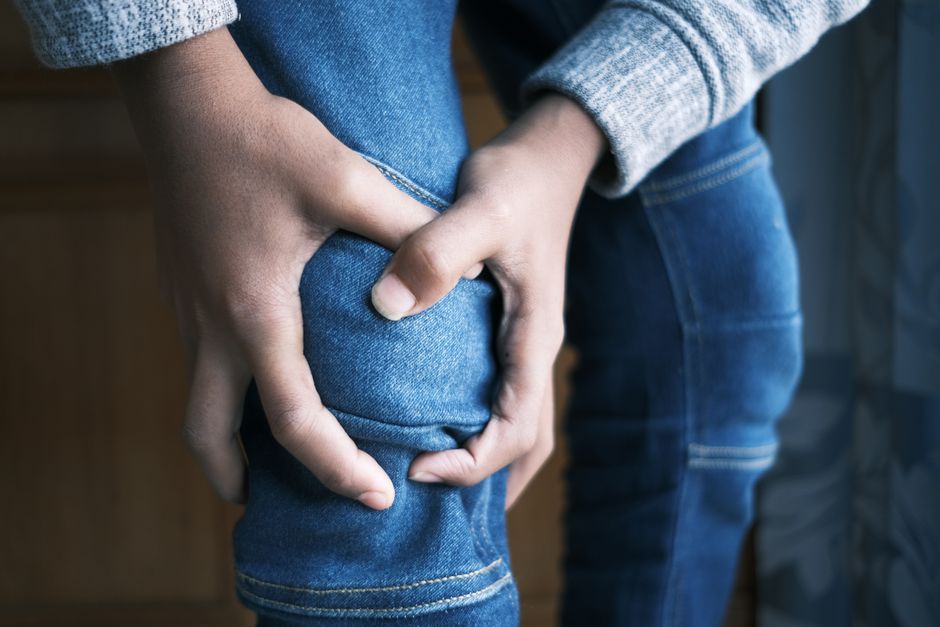
This is a common question, and the answer needs some precision. Dehydration does not directly cause arthritis or damage cartilage. But it can worsen joint discomfort and muscle soreness in ways that feel inflammatory.
Cartilage is about 70 to 80 percent water. That water helps cushion joints and allows smooth movement. When you are dehydrated, the cartilage can lose some of that fluid. Joints may feel stiffer, and movement may feel more uncomfortable. This is not the same as inflammatory arthritis like rheumatoid arthritis, but the discomfort is real.
Muscles work similarly. Muscle tissue is roughly 75 percent water. Dehydration impairs blood flow to muscles and reduces the delivery of oxygen and nutrients. This can increase muscle soreness after exercise and slow recovery. Some research suggests that dehydration increases markers of muscle damage after intense physical activity.
If you already have a condition like osteoarthritis or gout, dehydration can make symptoms worse. In gout, dehydration raises uric acid concentration in the blood, which increases the risk of a flare. Staying hydrated is one of the standard lifestyle recommendations for managing gout.





Does Drinking More Water Reduce Inflammation?
If dehydration causes inflammation, it is reasonable to ask whether drinking more water reverses it. The short answer is yes, but with an important caveat. Correcting dehydration brings inflammatory markers back down to normal. Drinking extra water beyond what your body needs does not appear to lower inflammation below your baseline.
In other words, hydration is not an anti-inflammatory treatment. It is a way to prevent dehydration-induced inflammation. If you are already well hydrated, chugging extra water will not give you additional anti-inflammatory benefits.
That said, many people are walking around mildly dehydrated without realizing it. Thirst is a late signal. By the time you feel thirsty, you are already somewhat dehydrated. Older adults especially may not feel thirsty until dehydration is more significant.
A practical approach is to drink water consistently throughout the day rather than waiting for thirst. Urine color is a useful guide. Pale yellow or clear urine generally indicates good hydration. Dark yellow or amber urine suggests you need more fluids.
How Much Water Do You Actually Need?
The old advice of eight glasses a day is a simplification. Water needs vary based on body size, activity level, climate, and diet. The National Academy of Medicine provides general guidelines: about 3.7 liters per day for adult men and 2.7 liters per day for adult women. These figures include water from all sources, not just beverages.
Food contributes roughly 20 percent of your daily water intake. Fruits, vegetables, soups, and other water-rich foods all count. The remaining 80 percent should come from beverages, and water is the best choice.
These are general targets, not strict rules. If you are exercising heavily, spending time in hot weather, or sweating significantly, you need more. If you have certain medical conditions like kidney disease or heart failure, your fluid needs may be different. Talk to your doctor about what is right for you.
One sign that you are drinking enough is that you rarely feel thirsty and your urine is light in color. These simple cues are more reliable than counting glasses.
What Else Could Be Causing Your Inflammation?
Dehydration is one possible contributor to inflammation, but it is rarely the only one. Chronic inflammation is a complex process influenced by many factors. If you are dealing with persistent inflammation, consider the bigger picture.
Diet plays a major role. Ultra-processed foods, refined sugars, and excess alcohol all promote inflammation. So do smoking, poor sleep, chronic stress, and physical inactivity. Excess body fat, particularly around the abdomen, is itself a source of inflammatory chemicals.
Certain medical conditions cause chronic inflammation as well. Autoimmune diseases, chronic infections, and metabolic conditions like type 2 diabetes all involve inflammatory processes. Medications can also affect inflammatory markers.
If you have been trying to manage inflammation and nothing is working, look at your hydration habits alongside these other factors. Fixing dehydration alone may not resolve inflammation if other drivers are still present.
Signs You May Be Chronically Dehydrated
Mild dehydration does not always announce itself clearly. Many people live with it daily without knowing. Some signs that may point to insufficient fluid intake include frequent headaches, dry skin, fatigue, difficulty concentrating, and constipation.
Dark urine is one of the most reliable indicators. If your urine is consistently dark, you are likely not drinking enough. Another clue is how often you urinate. Most people urinate four to seven times per day. If you go much less frequently, you may be dehydrated.
Dry mouth and lips are late signs, not early ones. By the time your mouth feels dry, dehydration is already established. Relying on thirst or dry mouth as your only signals means you may be running behind all day.
If you experience dizziness, confusion, rapid heartbeat, or fainting, that is a medical emergency. Severe dehydration requires immediate medical attention, not just a glass of water.
Practical Ways to Stay Consistently Hydrated
Start your day with a glass of water. Your body has gone hours without fluid overnight, and you wake up mildly dehydrated. Drinking water first thing helps correct that.
Keep a water bottle with you during the day. Having water within reach makes it easier to sip regularly. Set reminders on your phone if you tend to forget.
Eat water-rich foods. Cucumbers, watermelon, oranges, strawberries, celery, and lettuce all have high water content. These foods contribute to your total fluid intake and provide nutrients at the same time.
Be mindful of drinks that dehydrate you. Caffeine and alcohol both have mild diuretic effects. This does not mean you must avoid them, but balance them with extra water.
If you exercise, drink water before, during, and after your workout. For intense exercise lasting over an hour, a sports drink with electrolytes may be helpful. For everyday activity, plain water is sufficient.
Frequently Asked Questions
Can dehydration cause inflammation in the body?
Yes, dehydration raises inflammatory markers through increased vasopressin levels, reduced blood volume, and cellular stress. Correcting dehydration brings these markers back to normal.
How long does it take to rehydrate after being dehydrated?
Mild dehydration can often be corrected within a few hours of drinking fluids. Severe dehydration may take a day or more and may require medical treatment.
Does drinking water help reduce joint pain?
Proper hydration helps maintain cartilage fluid and can reduce stiffness, but it will not cure arthritis. If dehydration is making your joints worse, correcting it may bring noticeable relief.
What are the first signs of chronic dehydration?
Dark urine, fatigue, headaches, and difficulty concentrating are common early signs. Thirst is a late signal that appears after dehydration is already established.
