
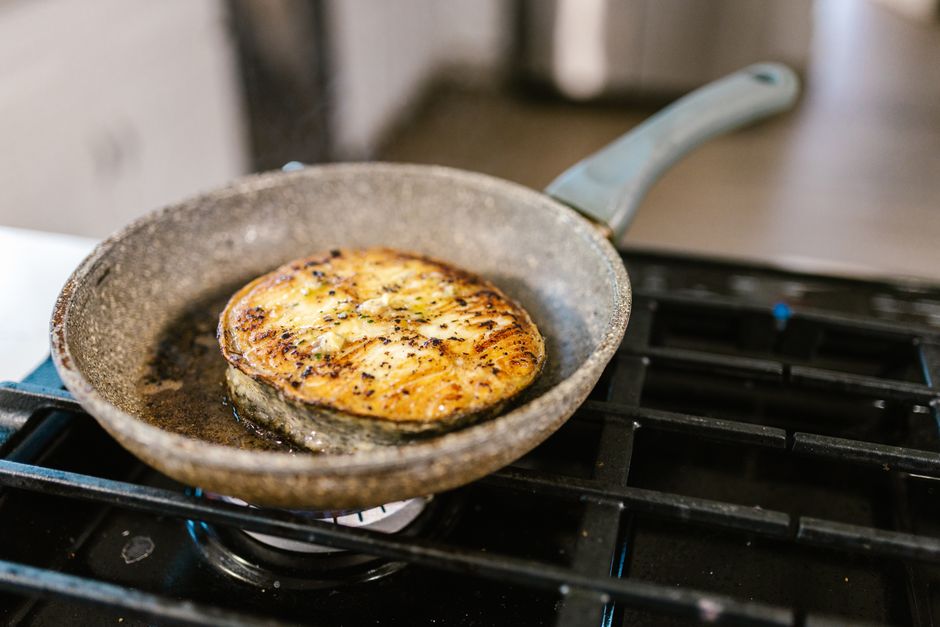
Farm-raised salmon is a nutritious food that offers important health benefits, but it differs from wild-caught salmon in meaningful ways. The short answer is yes — farm-raised salmon can be a healthy part of your diet, especially because it provides omega-3 fatty acids, high-quality protein, and essential vitamins. However, it also contains more calories and fat than wild salmon, and it carries some environmental and contaminant concerns that are worth understanding before you make your choice.
What Is the Difference Between Farm-Raised and Wild-Caught Salmon?
Wild salmon are born in freshwater rivers, migrate to the ocean, and return to their birthplace to spawn. They eat a natural diet of smaller fish, krill, and plankton. Farm-raised salmon live in net pens or tanks in coastal waters. They are fed a controlled diet of processed fish feed, which often includes fishmeal, fish oil, and plant-based ingredients.
The diet difference changes the nutritional profile. Wild salmon get their pink color from eating krill and shrimp that contain natural pigments called astaxanthin. Farm-raised salmon are given synthetic astaxanthin in their feed to achieve the same color. This is a safe additive approved by regulators, but it is worth knowing that the color alone does not tell you whether a fish is wild or farmed.
Atlantic salmon is almost always farm-raised. Pacific salmon species — such as sockeye, coho, and king — are typically wild-caught. If you see “Atlantic salmon” in a store, it is almost certainly farmed.
Is Farm Raised Salmon Good For You Nutritionally?
Farm-raised salmon is a nutrient-dense food. A 3.5-ounce serving of cooked farm-raised Atlantic salmon provides roughly 200 calories, 20 grams of protein, and about 11 grams of fat. Wild salmon of the same serving size provides about 180 calories, 22 grams of protein, and 7 grams of fat.
Both types are excellent sources of B vitamins, particularly B12 and B6, as well as potassium and selenium. Selenium is important for thyroid function and antioxidant defense. Both types also provide vitamin D, which many people do not get enough of. A serving of salmon provides a meaningful portion of your daily vitamin D needs.
Farm-raised salmon actually contains more omega-3 fatty acids than wild salmon in many cases. This is because farmed fish are fed a diet rich in fish oil. Omega-3s — specifically EPA and DHA — are the fats most linked to heart and brain health. Some research suggests that farm-raised salmon contains about 2 grams of omega-3s per serving, while wild salmon contains about 1.5 grams. The exact amounts vary by feed and season.
The trade-off is that farm-raised salmon also contains more total fat and more saturated fat. For most healthy adults, this difference is not a reason to avoid farmed salmon. It simply means portion size matters more.
Are There Contaminants in Farm-Raised Salmon?
This is the area where the evidence is most complicated. Farm-raised salmon can contain higher levels of certain contaminants than wild salmon, but the levels have declined over the past two decades as feed formulas have improved.
Polychlorinated biphenyls, or PCBs, are industrial chemicals that were banned in the 1970s but persist in the environment. They accumulate in fish fat. Because farm-raised salmon have more fat, they can carry more PCBs than wild salmon. Some studies from the early 2000s raised concerns about these levels. More recent research indicates that PCB levels in farmed salmon have dropped significantly because feed manufacturers now use less fish oil from contaminated sources.
The current scientific consensus is that the health benefits of eating salmon — including farm-raised — outweigh the risks from contaminants for most people. The FDA and the Environmental Protection Agency both list salmon as a “Best Choice” fish for adults and children. That classification includes both farmed and wild salmon.
Pregnant women and young children should still follow current fish consumption guidance. The official advice recommends 8 to 12 ounces of low-mercury fish per week. Salmon is low in mercury, so it fits comfortably within this guidance. If you are concerned about contaminants, trimming the skin and visible fat before cooking can reduce exposure, since PCBs concentrate in fat.




What About Antibiotics and Color Additives?
Antibiotic use was a major problem in salmon farming in the past, particularly in Chile and other major producing countries. Overuse led to concerns about antibiotic resistance. The situation has improved, but it is not uniform across all producers.
In Norway, which is the world’s largest salmon producer, antibiotic use has dropped dramatically. Norwegian farmed salmon now uses very little antibiotics compared to a decade ago. In Chile, antibiotic use remains higher, though it is also declining. The United States imports salmon from both countries, so the origin matters.
If you want to minimize antibiotic exposure, look for salmon labeled as raised without antibiotics. This label is regulated, and producers must verify that no antibiotics were used. The USDA organic label for salmon also prohibits antibiotics, though organic salmon availability varies by region.
The synthetic astaxanthin added to farmed salmon feed is approved by the FDA for use in animal feed. It is the same pigment found naturally in wild salmon. No evidence currently suggests that the synthetic form poses a health risk at the levels used in commercial fish feed.
Is Farm-Raised Salmon Safe to Eat Raw?
Raw salmon — whether farmed or wild — carries a risk of foodborne illness. Parasites are the primary concern. Wild salmon can carry tapeworms and other parasites that are killed by freezing or cooking. Farm-raised salmon raised in net pens are less likely to carry parasites because they are fed processed feed rather than live prey.
However, farm-raised salmon can still carry bacteria and viruses. The FDA recommends that raw fish intended for sushi or sashimi be frozen at specific temperatures to kill parasites. If you are eating raw salmon at a restaurant, the establishment should be using sushi-grade fish that has been properly frozen.
If you are preparing raw salmon at home, the safest approach is to buy fish labeled as sushi-grade or sashimi-grade, which indicates it has been frozen to the required temperature. Cooking salmon to an internal temperature of 145°F kills parasites and harmful bacteria. Some people prefer medium-rare salmon, but this increases the risk of foodborne illness.
Is Farm-Raised Salmon Good For the Environment?
Farming salmon reduces pressure on wild fish populations, which is a genuine environmental benefit. Wild salmon stocks in many regions are stressed by overfishing, habitat loss, and climate change. Farmed salmon provides a reliable supply without directly depleting wild runs.
But salmon farming has its own environmental costs. Open-net pens allow waste, uneaten feed, and chemicals to enter surrounding waters. Farmed salmon can escape and interbreed with wild populations, which can weaken the genetic resilience of wild fish. Sea lice — a parasite that affects farmed fish — can spread to wild salmon that swim near the pens.
There is also the feed question. Farmed salmon are carnivorous fish. They require fishmeal and fish oil derived from wild-caught forage fish like anchovies and sardines. It takes more than a pound of wild fish to produce a pound of farmed salmon. This is a net loss of marine protein, though feed efficiency has improved in recent years.
Land-based salmon farms, which raise fish in closed tanks on shore, avoid many of these problems. They prevent escapes and waste discharge, and they can be located away from wild salmon habitats. However, land-based farming is more expensive and uses significant energy and water. The industry is growing, but it still represents a small fraction of total salmon production.
How to Choose the Best Salmon for Your Needs
There is no single right answer for everyone. Your choice depends on your priorities — nutrition, cost, environmental impact, or taste.
Wild salmon is leaner, has fewer calories, and contains slightly less omega-3s per serving. It costs more, often two to three times more than farmed salmon. Its flavor is more distinct and varies by species. Sockeye is deep red and intensely flavored. King salmon is rich and buttery. Coho is milder.
Farm-raised salmon is more affordable, more consistent in flavor, and higher in omega-3s. Its milder taste makes it approachable for people who find wild salmon too fishy. It is widely available year-round, while wild salmon has a limited season.
If you are buying farmed salmon, look for labels that indicate responsible practices. The ASC (Aquaculture Stewardship Council) certification covers environmental and social criteria. The BAP (Best Aquaculture Practices) certification covers similar ground. Neither label guarantees a perfect product, but they indicate that an independent auditor has reviewed the operation.
Frozen salmon is often a better value than fresh. Flash-frozen fish is typically processed within hours of harvest, which preserves quality. Frozen wild salmon is available year-round and is usually cheaper than fresh wild salmon.
Frequently Asked Questions
Is farm-raised salmon as healthy as wild salmon?
Farm-raised salmon is healthy and actually contains more omega-3s than wild salmon in most cases. It also has more total fat and calories, so portion control matters more.
Does farm-raised salmon have mercury?
Salmon is a low-mercury fish, and both farmed and wild varieties are considered safe to eat regularly. The FDA lists salmon as a “Best Choice” fish for adults and children.
Why is farm-raised salmon cheaper than wild salmon?
Farmed salmon is cheaper because it is produced in controlled environments with predictable yields and year-round supply. Wild salmon depends on seasonal fishing, which is more expensive and limited.
Can you eat farm-raised salmon raw?
You can eat farm-raised salmon raw if it has been frozen to kill parasites. Look for sushi-grade or sashimi-grade labels, or cook salmon to 145°F to be fully safe.
