
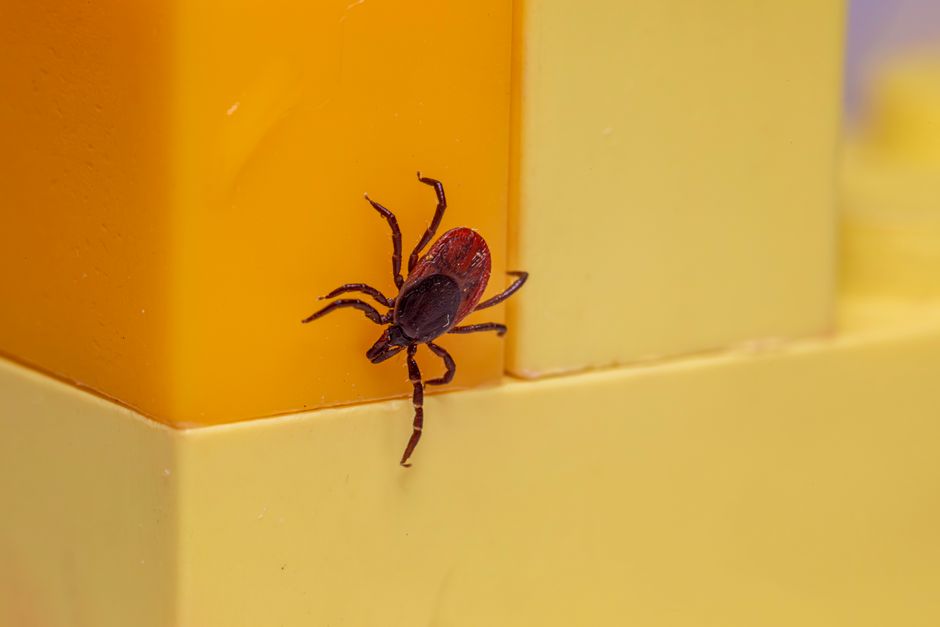
Ticks are a serious nuisance, but they are also a genuine health concern because they can transmit diseases like Lyme disease and anaplasmosis. Getting rid of them requires a three-part approach: protecting your body, treating your pets, and managing your yard. The most effective strategy combines personal checks, veterinarian-approved pet preventatives, and consistent yard maintenance to break the tick life cycle.
How To Get Rid Of Ticks On Your Body
The first step is checking for ticks immediately after spending time outdoors. Ticks crawl before they bite, so finding them before they attach is your best defense. Check your entire body, paying close attention to warm, hidden areas like the scalp, behind the ears, under the arms, and behind the knees.
If you find a tick attached, remove it with fine-tipped tweezers. Grasp the tick as close to the skin as possible and pull upward with steady, even pressure. Do not twist or jerk the tick, as this can cause the mouthparts to break off and remain in the skin.
After removal, clean the bite area and your hands with rubbing alcohol or soap and water. Do not use petroleum jelly, a hot match, or nail polish to remove a tick. These methods do not work and can cause the tick to salivate, potentially increasing the risk of disease transmission.
Monitor the bite site for several weeks. If you develop a rash or flu-like symptoms, contact a healthcare provider promptly. Early treatment is important for tick-borne illnesses.
How To Get Rid Of Ticks On Pets
Your veterinarian is the best source for tick prevention for your dog or cat. Prescription oral medications and topical treatments are highly effective at killing ticks before they can transmit disease. Over-the-counter products are often less effective and may not be safe for all animals.
Never use a product designed for dogs on a cat. Certain dog tick medications contain ingredients that are highly toxic to cats, and this mistake can be fatal. Always read labels carefully and consult your vet if you have any doubt.
Check your pets for ticks after they come inside from wooded or grassy areas. Run your fingers through their fur, feeling for small bumps. Pay special attention to the head, neck, and ears. If you find a tick, remove it with tweezers using the same steady-pull method described above.
Do not use essential oils or homemade remedies on pets. Evidence for their effectiveness is lacking, and some oils are toxic to animals. Stick with products that have been tested and approved by veterinary medicine.
How To Get Rid Of Ticks In Your Yard
Ticks thrive in tall grass, leaf litter, and moist, shaded areas. Keeping your lawn mowed short and removing leaf piles removes their primary habitat. This is one of the most effective steps you can take.
Create a barrier between your lawn and wooded areas. A three-foot-wide strip of gravel or wood chips can deter ticks from migrating into your yard. Ticks do not cross dry, sunny areas easily, so this physical barrier works well.
Keep play areas and frequently used spaces away from tall vegetation. Position swing sets, patios, and garden benches in sunny, dry locations. Ticks prefer humidity and shade, so they are less common in these exposed spots.
Consider applying a tick control product to your yard. Professional pest control services can apply acaricides to targeted areas. If you do it yourself, look for products specifically labeled for tick control and follow the instructions exactly. Treat only the areas where ticks are likely to be, not the entire property.
The evidence for natural yard treatments like cedar oil or diatomaceous earth is limited. Some products show promise in small studies, but none have been proven to provide reliable, long-term control. Chemical acaricides remain the most evidence-backed option for yard treatment.





How To Get Rid Of Ticks Indoors
Ticks do not typically infest homes the way fleas do, but they can come inside on pets, clothing, or gear. The most important step is to stop them from entering in the first place.
When you come inside from a tick-prone area, put your clothes in the dryer on high heat for at least ten minutes. The dry heat kills ticks effectively. If clothes are heavily soiled, wash them in hot water first, then dry on high heat.
Inspect gear like backpacks, camping equipment, and hunting gear before bringing it indoors. Ticks can hide in seams and folds. A thorough visual check catches most of them before they enter your home.
If you find a tick crawling in your home, pick it up with a tissue or tape and flush it down the toilet or place it in rubbing alcohol. Vacuuming can also remove ticks from carpets and floors. Empty the vacuum bag or canister immediately after use to prevent them from crawling back out.
Indoor pesticide treatments are rarely necessary for ticks. Spot-treating baseboards and cracks with a residual insecticide may help if you have a recurring problem, but this is not a routine need. Focus on prevention at the door rather than treating the whole house.
What Attracts Ticks To Your Yard In The First Place
Ticks do not jump or fly. They wait on the tips of grass and shrubs in a behavior called questing, then grab onto a passing host. Understanding this behavior helps you target your control efforts.
Moisture is the biggest factor. Ticks require high humidity to survive, which is why they concentrate in shaded, damp areas. Removing shade and improving airflow makes your yard less hospitable to them.
Wildlife brings ticks into your yard. Deer, mice, and other rodents are common tick hosts. If you have a bird feeder or a woodpile near your house, you may be attracting these animals and, with them, ticks.
Moving bird feeders away from the house and keeping woodpiles elevated and dry reduces tick habitat. A gravel or wood-chip barrier between your lawn and these areas also helps keep ticks away from the spaces you use most.
Are Ticks Active In Winter
Many people believe ticks disappear in winter, but this is not entirely true. Adult black-legged ticks, also known as deer ticks, can remain active whenever temperatures are above freezing. On mild winter days, they may still be questing for a host.
This means year-round vigilance is important in many regions. Continue checking yourself and your pets after outdoor activities, even in cooler months. The risk is lower in winter, but it is not zero.
If you live in an area with heavy tick populations, talk to your veterinarian about year-round prevention for your pets. Many vets recommend continuous treatment rather than seasonal use, because tick activity is unpredictable.
Frequently Asked Questions
What kills ticks on dogs instantly?
Prescription oral medications and topical treatments from your veterinarian are the most effective and fastest-acting options. These products kill ticks within hours of attachment, but they require a prescription and should be chosen based on your dog’s specific needs.
What smell keeps ticks away?
Some research suggests that certain plant-based repellents like oil of lemon eucalyptus and permethrin-treated clothing are effective, but evidence for most essential oils is limited. The most reliably effective repellent for ticks on skin is DEET, and for clothing it is permethrin.
Can ticks live in your house?
Ticks can survive indoors for a short time, but they rarely establish an infestation because they need high humidity and a blood meal to reproduce. They typically die within a few days indoors if they do not find a host.
Does vinegar kill ticks on dogs?
No reliable evidence shows that vinegar kills ticks on dogs. Vinegar is not an approved tick treatment, and relying on it may leave your pet unprotected against tick-borne disease.
