
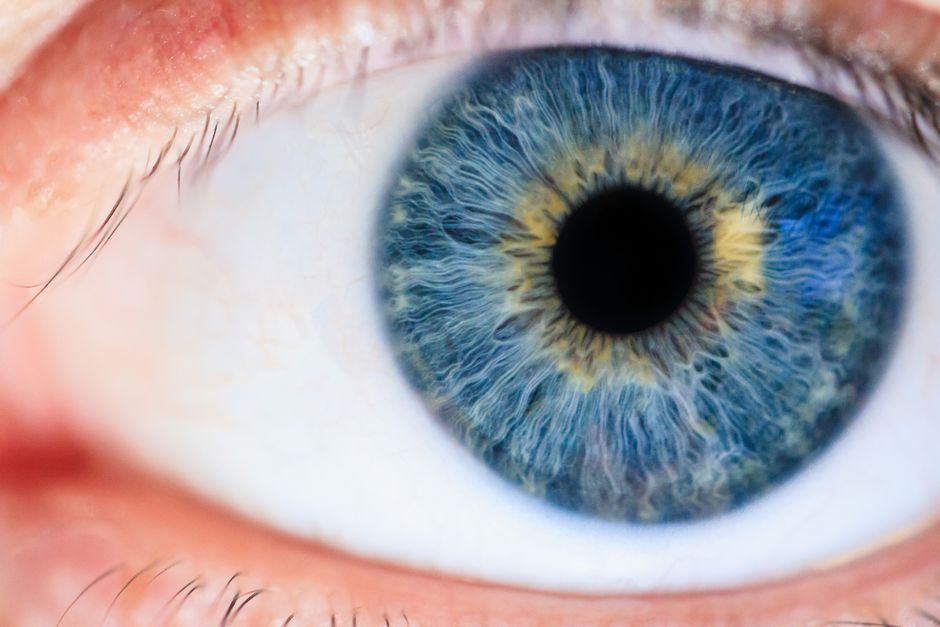
Getting your eyes dilated at an eye exam is routine, but it can leave you squinting and wondering if you can safely get behind the wheel. The short answer is no, you should not drive with dilated eyes. Your vision is temporarily impaired, and your eyes become highly sensitive to light, which makes driving risky for you and others on the road.
Why Do Eye Doctors Dilate Your Eyes?
Eye dilation is a standard part of a comprehensive eye exam. The doctor uses special eye drops to widen your pupil, the black circle in the center of your eye. This lets more light enter the eye so the doctor can see the back of your eye clearly.
This view allows the doctor to examine the retina, optic nerve, and blood vessels for signs of disease. Conditions like glaucoma, macular degeneration, and diabetic retinopathy can be detected this way. Dilation is a critical tool for catching these problems early.
The drops work by either relaxing the muscle that opens the pupil or paralyzing the muscle that closes it. The effect is not optional. While your pupils are wide open, they cannot react normally to changes in light.
How Long Do Pupils Stay Dilated?
The duration depends on the type of drops used. Some drops wear off in a few hours. Others can keep your pupils dilated for up to 24 hours. Your doctor should tell you which type you received and how long to expect the effects to last.
Most people find their vision is significantly affected for about 4 to 6 hours after the exam. However, light sensitivity and blurry near vision can linger longer. Some people report sensitivity into the next day.
Children often receive stronger drops that last longer. If you are taking a child home after an eye exam, plan for them to be sensitive to light and have blurred vision for an extended period.
Can You Drive Dilated Eyes? The Real Risks
Driving with dilated eyes is dangerous because of three specific effects. First, photophobia, or extreme light sensitivity, causes glare that can be blinding. Sunlight or the headlights of oncoming cars can create intense halos and streaks that obscure your view.
Second, blurred near vision makes it difficult to see your dashboard, GPS, or mirrors clearly. This is because the drops temporarily paralyze the muscles used for focusing on close objects. You may struggle to read speed limits or road signs until you get closer to them.
Third, your depth perception can be altered. This makes judging distances between your car and other vehicles or pedestrians more difficult. These three effects combined create a serious hazard that most people underestimate.
No clinical guidelines recommend driving with dilated eyes. Most eye care professionals advise against it. The temporary inconvenience of arranging a ride is far safer than the potential consequences of a crash.



What Does It Actually Feel Like to Drive Dilated?
Imagine driving into a low sun on a wet road, but the glare is constant. That is what many people describe. Even with sunglasses, the brightness can be overwhelming.
Your vision is not completely blind, but it is unreliable. You might be able to read a large sign from a distance, but then struggle to see a pedestrian stepping off a curb in the shade. The inconsistency is what makes it so hazardous.
Some people feel fine and think they can drive. This is common because the impairment is not obvious to the person experiencing it. You do not realize how much you rely on precise focus and quick pupil reactions until they are gone.
How to Get Home After an Eye Exam
You need a plan before you go to your appointment. Do not assume you will be fine to drive afterward. Even if you feel okay in the examination chair, the effects can worsen when you step outside into bright light.
Bring a driver. Ask a friend or family member to take you to the appointment and pick you up. This is the safest option and removes all stress.
Use a rideshare service. Taxis, Uber, and Lyft are reliable alternatives. You can schedule a ride in advance so you are not waiting on a phone screen with blurry vision.
Public transportation is another option if it is available in your area. Buses and trains do not require you to operate a vehicle. Just be prepared for bright light when waiting at stops.
If you absolutely must drive yourself, ask the doctor if you can be examined without dilation. This is not always possible, but some practices offer alternative imaging tests that do not require drops. This is not the same as a full dilated exam, so discuss the limitations with your doctor.
Protecting Your Eyes From Light Sensitivity
You should wear sunglasses after your exam. The office will likely give you a disposable pair, but they are thin and offer limited protection. Bring your own polarized sunglasses if you have them.
Polarized lenses are better at cutting glare than regular tinted lenses. They filter out horizontal light waves that cause reflections off roads and windshields. This can make a significant difference in your comfort level.
Keep the sunglasses on even indoors if you are uncomfortable. Fluorescent lighting can also feel harsh while your pupils are dilated. A wide-brimmed hat can also help block overhead light.
Avoid screens. Your phone, computer, and television will look bright and blurry. The strain can cause eye fatigue and headaches. Resting your eyes in a dim room is the most comfortable option.
When to Call Your Eye Doctor
Dilation is temporary, but there are signs you should not ignore. If your pupils remain dilated for more than 48 hours, contact your eye doctor. This is not typical and may indicate an issue.
Seek immediate medical attention if you experience severe eye pain, nausea, or vomiting. These could be signs of a serious condition like acute angle-closure glaucoma. This is a medical emergency that requires prompt treatment.
Some people are at higher risk for this complication. If you are farsighted or have a family history of glaucoma, mention this to your doctor before they administer the drops. They can take precautions or monitor you more closely.
Is There a Safe Alternative to Dilation?
Some eye doctors use a device called an Optomap or ultra-widefield retinal imaging. This takes a digital photo of the back of your eye without drops. It is quick and painless.
This imaging is useful but not a complete replacement for dilation. It provides a good view of the retina but may miss some peripheral details that a dilated exam can reveal. Your doctor will decide if imaging alone is sufficient for your specific needs.
If you have a history of difficulty with dilation or need to drive immediately after, ask about this option. Not all offices have the equipment, but many do. It is worth asking about at your next appointment.
Frequently Asked Questions
Can I drive myself home after eye dilation?
No, you should not drive yourself home after eye dilation. Your vision is impaired and light sensitivity makes driving unsafe.
How long after eye dilation can I drive?
You should wait until your pupils return to normal, which can take 4 to 6 hours or longer. Some drops can affect your vision for up to 24 hours.
Can I use sunglasses to drive with dilated eyes?
Sunglasses help with light sensitivity but do not fix the blurred vision and depth perception problems. They are not a safe solution for driving.
What happens if I drive with dilated eyes?
You risk causing a crash due to glare, blurred vision, and poor depth perception. You could also be cited for unsafe driving if an officer determines your vision is impaired.
