
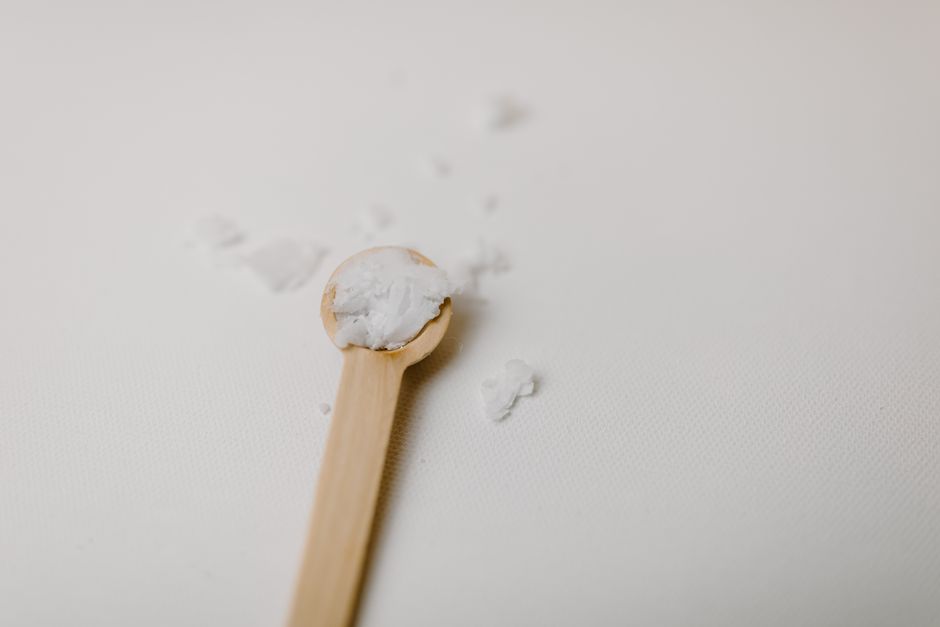
Dry scooping creatine means swallowing the powder straight from the scoop or a spoon and then chasing it with water, instead of mixing it into a drink first. It is not a good idea. The practice offers no advantage over mixing creatine into liquid, and it comes with real choking and airway risks that have sent people to the hospital.
Creatine itself is one of the most studied sports supplements in existence, and its safety record at standard doses is well documented. The problem is not the creatine. The problem is the delivery method.
What Is Dry Scooping, Exactly?
Dry scooping is taking a dry serving of powdered supplement — creatine, pre-workout, protein, or anything else in powder form — directly into your mouth without dissolving it in water first. Some people follow it with a sip of water. Others just swallow.
The trend spread through social media, where videos showed people dumping scoops of pre-workout powder onto their tongues before training. Creatine got pulled into the same behavior, even though the two products are quite different in what they contain.
There is no pharmacological reason to do it. The idea seems to be that taking it dry hits faster or harder. That reasoning does not hold up, and you will see why in the next section.
Is Dry Scooping Creatine Bad for You?
Yes, and the main danger is mechanical, not chemical. A dry scoop of powder can be inhaled into the airway instead of swallowed. That can cause choking or aspiration — powder entering the lungs — which is a medical emergency.
This is not a theoretical concern. Emergency physicians have reported cases of young, otherwise healthy people arriving at hospitals after dry scooping, with symptoms including chest pain, rapid heart rate, and breathing difficulty. Some of those cases involved pre-workout products rather than plain creatine, but the choking hazard applies to any dry powder.
Beyond the airway risk, dry powder can irritate the throat and esophagus on the way down. It can also clump in the mouth, making it harder to swallow than most people expect.
None of this makes creatine dangerous. It makes swallowing powder without liquid dangerous. Those are two separate things, and the distinction matters.
Does Dry Scooping Make Creatine Work Faster?
No. There is no evidence that dry scooping speeds up absorption or improves results.
Here is what actually happens with creatine. Once you swallow it, it dissolves in your stomach and is absorbed in the small intestine. Your body then transports it into muscle tissue, where it is stored as phosphocreatine. This process takes time regardless of how the powder entered your mouth.
Creatine works through saturation, not through timing. It builds up in your muscles over days and weeks of consistent use. Taking it dry does not change how quickly your muscles reach that saturated state. It does not change how much gets absorbed. It does not change performance outcomes.
If anything, dry scooping may work slightly against you. Creatine dissolves better in liquid, and taking it with fluid supports normal swallowing and digestion. Powder that clumps in your throat is not being absorbed faster — it is just sitting there.

What About the “Faster Absorption” Claims Online?
The claim that dry powder absorbs faster because it skips dilution does not match how digestion works. Your stomach adds fluid the moment anything enters it. A dry scoop of powder becomes a wet mixture within seconds anyway.
Some social media posts suggest dry scooping gives a bigger “rush” or more intense effect. With pre-workout, that feeling usually comes from stimulants like caffeine, not from the delivery method. With plain creatine, there is no rush to feel. Creatine is not a stimulant. It does not produce an immediate buzz at any dose, in any form.
If someone reports feeling something intense right after dry scooping creatine, that experience is more likely explained by the choking sensation, throat irritation, or the placebo effect of doing something that feels extreme.
How Should You Actually Take Creatine?
Mix it into water, juice, or any other liquid you drink regularly. That is the standard approach and the one used in most research on creatine.
Creatine monohydrate is the form with the strongest evidence behind it. It dissolves reasonably well in warm liquid and less well in cold, so stirring it into room-temperature water can help if you find it gritty.
On dosing, the widely studied and commonly recommended maintenance amount is 3 to 5 grams per day for healthy adults. Some protocols use a loading phase of about 20 grams per day split into smaller doses for several days, followed by maintenance. Both approaches are used in research. Consistency matters more than timing — daily use is what raises muscle creatine stores over time.
You do not need to take it at a specific time of day. You do not need to take it dry. You do not need to cycle it.
Creatine vs. Pre-Workout: Not the Same Product
Many dry scooping injuries reported in the news involved pre-workout formulas, not plain creatine. That distinction gets lost in the conversation.
Pre-workout products often contain caffeine and other stimulants in amounts that can be substantial. Taking a large stimulant dose dry, on an empty stomach, can spike heart rate and blood pressure quickly. That is a different risk profile from creatine, which has no stimulant effect.
If you are evaluating a powder, read the label. Plain creatine monohydrate and a stimulant-heavy pre-workout blend are not interchangeable, and the risks of dry scooping them are not identical either.
Who Should Be Extra Careful With Creatine?
Creatine is generally considered safe for healthy adults at standard doses, based on decades of research. That does not mean it is right for everyone.
People with pre-existing kidney conditions should talk to a doctor before using creatine. The kidneys handle creatine and its breakdown product, creatinine, and while creatine has not been shown to damage healthy kidneys at typical doses, the picture is less clear in people who already have kidney disease.
Anyone taking medications that affect the kidneys, or managing a condition that requires monitoring of kidney function, should get medical input first. This is not a reason to panic about creatine — it is a reason to check with someone who knows your history.
For children, adolescents, and pregnant or breastfeeding women, there is not enough research to establish safe dosing. No clinical guidelines currently exist for these groups. That is a genuine gap in the evidence, not a hidden warning.
The Bottom Line on Dry Scooping
Dry scooping creatine adds risk without adding benefit. The choking and aspiration hazard is real and has caused documented emergency room visits. The supposed absorption advantage does not exist.
Creatine itself remains one of the better-supported supplements for strength and muscle performance in healthy adults. The smart move is to keep using it — mixed into liquid, at a consistent daily dose, the way the research actually studied it.
If you have already dry scooped and felt fine, that does not mean it is safe to keep doing. Choking risk is about probability, not about whether it has happened to you yet.
Frequently Asked Questions
Is dry scooping creatine bad for your heart?
Plain creatine is not a stimulant and is not known to harm the heart at standard doses. The heart-related symptoms reported after dry scooping usually involved pre-workout products containing caffeine and other stimulants, not creatine alone.
What happens if you dry scoop creatine?
The main risk is inhaling the powder into your airway, which can cause choking or aspiration and may require emergency care. Some people also experience throat irritation or coughing.
Does dry scooping creatine work better than mixing it?
No. Creatine works by building up in your muscles over days and weeks, so how you swallow it does not change its effectiveness. Mixing it with liquid is the standard method used in research.
How much creatine should you take per day?
For healthy adults, the commonly studied maintenance dose is 3 to 5 grams per day. Some protocols use a loading phase of about 20 grams per day split into smaller doses for several days before dropping to maintenance.
