
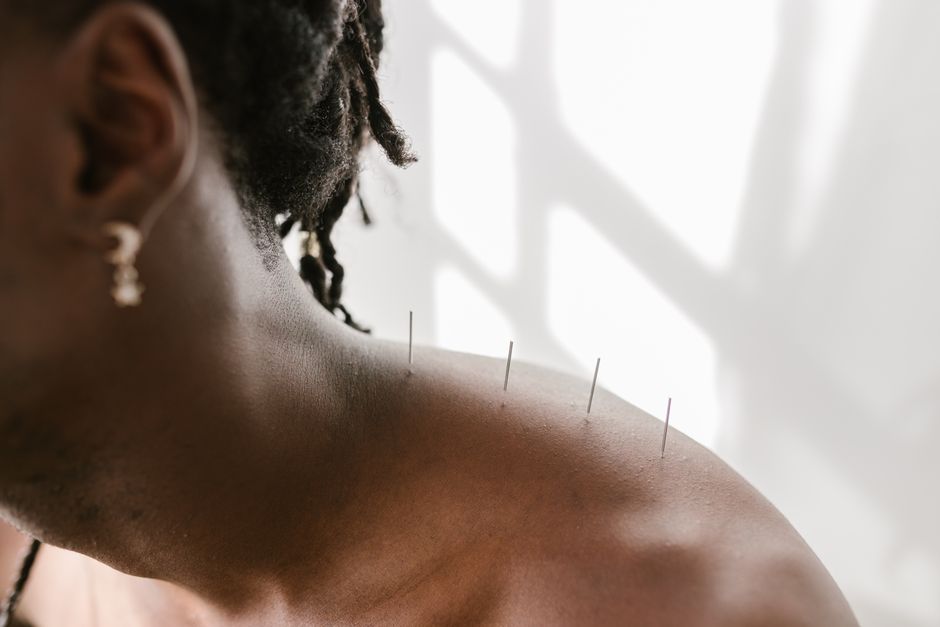
Dry needling can cause a brief, sharp sensation when the needle enters the skin and a deep, aching, or muscle-twitch feeling when the needle hits a trigger point. Most people describe the overall experience as uncomfortable rather than severely painful, and any soreness typically fades within 24 to 48 hours. The level of discomfort varies from person to person and depends on the area being treated, your pain tolerance, and the skill of the practitioner.
What Does Dry Needling Actually Feel Like?
People describe the sensation in two distinct phases. The first is the needle piercing the skin. Most compare it to a quick pinch or a mosquito bite. This part lasts only a second.
The second sensation happens when the needle reaches a tight band of muscle, called a trigger point. You may feel a deep ache, a heavy pressure, or a sudden twitch in the muscle. This twitch is actually a sign that the treatment is working. It means the muscle fiber has been stimulated and is releasing its contraction.
Some patients report a feeling of electricity or a shooting sensation down a limb. This can happen if the needle comes close to a nerve. Tell your practitioner immediately if this occurs. They can adjust the needle position.
Why Does Dry Needling Hurt More Than Acupuncture?
Both dry needling and acupuncture use thin, solid filiform needles. The needles themselves are nearly identical. The difference is in what the practitioner does with them.
Acupuncture is based on traditional Chinese medicine. Practitioners insert needles along energy pathways, called meridians, and typically leave them in place for 20 to 40 minutes. The insertion is gentle, and most people feel little to nothing.
Dry needling is a modern, Western medical technique. Practitioners insert needles directly into taut bands of muscle and fascia. They often manipulate the needle, moving it up and down or side to side, to provoke a local twitch response. This mechanical stimulation of sensitive muscle tissue is what creates the deeper, more noticeable discomfort.
Think of it this way: acupuncture is like a light tap on the shoulder. Dry needling is like pressing firmly on a bruise to assess it. Both are intentional, but the pressure and purpose differ.
Which Body Areas Are Most Sensitive?
Sensitivity varies by location. Areas with thin skin and less muscle padding tend to hurt more during insertion. These include the hands, feet, shins, and the front of the neck.
Larger muscle groups often produce a deeper ache when the needle hits the trigger point. The glutes, hamstrings, calves, and upper back muscles are common treatment sites. The twitch response in these large muscles can feel intense but is usually brief.
Facial muscles and the muscles between the ribs are particularly sensitive. Practitioners often use shallower insertions and gentler techniques in these regions. If you are receiving treatment in a sensitive area, expect more discomfort than you would feel in the thigh or shoulder.




How Painful Is the Recovery After Dry Needling?
Post-treatment soreness is common. Many patients describe it as feeling like they did an intense workout the day before. The treated muscle may feel tired, heavy, or bruised.
This soreness typically peaks within the first 24 hours and resolves within 48 hours. Some people have no soreness at all. Others may feel discomfort for up to three days, especially after the first session or when treating large, chronically tight muscles.
Applying a warm compress to the treated area can help ease soreness. Gentle stretching and drinking water may also support recovery. Avoid intense exercise on the treated muscle for at least 24 hours after your session.
What Affects Your Personal Pain Experience?
Several factors influence how much discomfort you feel. Your pain tolerance is the most obvious one, but it is not the only factor.
Practitioner skill matters significantly. A well-trained practitioner inserts needles quickly and accurately, minimizing skin pain. They also know how to gauge depth and angle to reduce unnecessary tissue trauma. An inexperienced practitioner may cause more pain and more bruising.
Your baseline muscle tension plays a role. Chronically tight, knotted muscles are more sensitive to needle stimulation. The first session often feels more intense than subsequent ones because your muscle is not used to being released. As treatment progresses and the tissue relaxes, sessions typically become more comfortable.
Your mental state also matters. Anxiety amplifies pain perception. If you are nervous, tell your practitioner. They can explain each step before doing it, which often reduces fear and tension. Arriving relaxed and well-rested can make a noticeable difference.
Needle size and technique vary between practitioners. Some use thicker needles for deeper muscles. Some use a faster, thrusting technique while others prefer a slower, more deliberate insertion. Ask your practitioner about their approach before your first session.
Is Dry Needling Painful? What Research Shows
Clinical studies consistently report that dry needling is well tolerated by most patients. Discomfort during treatment is expected, but severe pain is uncommon. Most research participants rate their pain during dry needling as mild to moderate on pain scales.
Some research suggests that the local twitch response, while uncomfortable, is linked to better treatment outcomes. The brief pain of the twitch may indicate that the targeted muscle has been effectively stimulated. This does not mean more pain equals better results. It simply means the characteristic discomfort of the procedure is part of its mechanism.
Serious complications from dry needling are rare when performed by a trained practitioner. The most common side effects are minor bleeding, bruising, and temporary soreness. More serious risks, such as nerve damage or pneumothorax (a collapsed lung), are possible but uncommon when proper technique and anatomical knowledge are applied.
How to Minimize Discomfort During Your Session
Preparation can reduce your pain experience. Here are practical steps you can take before and during your appointment.
- Communicate openly. Tell your practitioner about your pain tolerance, any fear of needles, and your medical history.
- Arrive well-rested. Fatigue lowers pain tolerance.
- Avoid caffeine right before your session. It can increase muscle tension and nervous system sensitivity.
- Use a signal. Agree on a hand raise or verbal cue so you can pause the session if the pain becomes too much.
- Breathe slowly and deeply during needle insertion. Exhaling as the needle goes in helps relax the muscle and reduces the sting.
- Stay warm. Cold muscles are tighter and more reactive to needles.
Do not take over-the-counter pain medication before your session to “prevent” pain. Anti-inflammatory drugs like ibuprofen may reduce the inflammatory response that is part of the therapeutic effect. There is no strong evidence that pre-medicating improves outcomes. If you are concerned about pain, discuss this with your practitioner rather than self-medicating.
When to Avoid Dry Needling
Dry needling is not appropriate for everyone. You should not receive dry needling if you have a bleeding disorder, take blood-thinning medication, or have a compromised immune system. Pregnant women should avoid needling in the abdominal and pelvic regions. If you have a local skin infection or open wound, treatment in that area should be postponed.
Always inform your practitioner of your complete medical history. Dry needling is a medical procedure, not a spa treatment. It should only be performed by a licensed physical therapist, chiropractor, or physician with specific training in the technique.
Frequently Asked Questions
How long does the pain from dry needling last?
Most soreness resolves within 24 to 48 hours after treatment. Some people experience mild discomfort for up to three days, especially after the first session.
Is dry needling more painful than a regular injection?
Dry needling uses much thinner needles than standard injections, so skin entry is less painful. However, the deep muscle stimulation can cause a more noticeable ache than a typical vaccine shot.
Can I take pain relievers after dry needling?
Acetaminophen is generally considered safe for post-treatment soreness. Anti-inflammatory drugs like ibuprofen may reduce the intended inflammatory response, so ask your practitioner before taking them.
Does a muscle twitch during dry needling mean it is working?
A local twitch response is a sign that the needle has stimulated a tight muscle band. It is considered a positive indicator of treatment, though its absence does not mean the treatment failed.
