
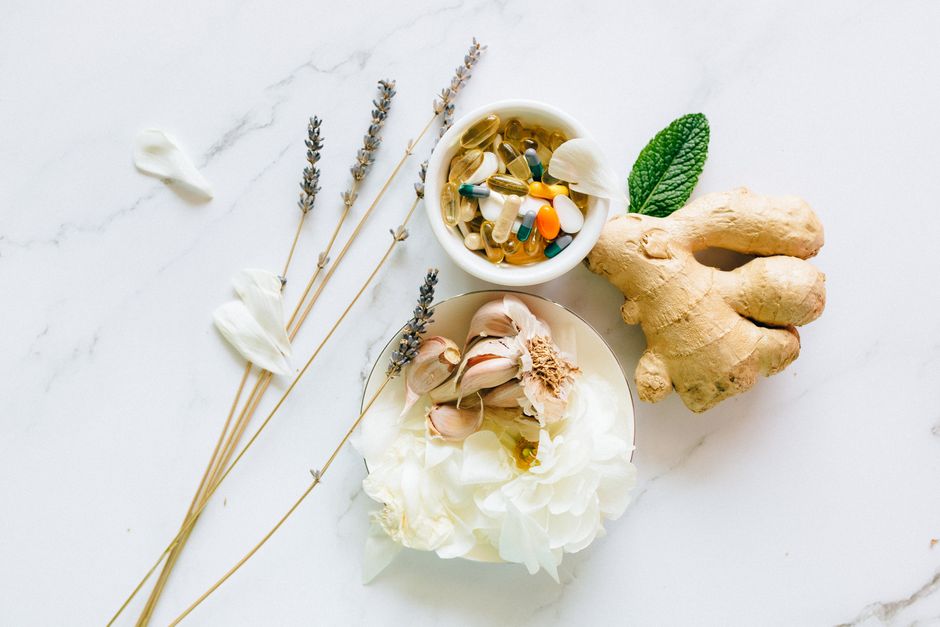
Fresh ginger and dried ginger come from the same root but they are not the same thing. Dried ginger is not as good as fresh ginger for all uses, but it is better for some. The real difference comes down to chemistry. Drying changes the active compounds in ginger. Fresh ginger has more gingerol, which is the compound most linked to anti-inflammatory effects. Dried ginger has more shogaol, which forms during the drying process and may be more potent for nausea. Which one you should use depends entirely on what you want it to do.
What Is the Chemical Difference Between Fresh and Dried Ginger?
The key compound in fresh ginger is called gingerol. It gives fresh ginger its sharp, spicy taste. Gingerol is also the main compound studied for reducing inflammation and pain. Research published in the Journal of Ethnopharmacology shows gingerol has strong antioxidant and anti-inflammatory properties.
When ginger is dried, heat and air convert gingerol into a different compound called shogaol. Shogaol is actually more stable than gingerol. Some studies suggest shogaol is more effective at treating nausea and motion sickness. The Journal of Agricultural and Food Chemistry reported that shogaol has a stronger effect on certain receptors in the gut compared to gingerol.
This means dried ginger is not a weaker version of fresh ginger. It is chemically different. One is not better than the other across the board. They each have strengths depending on the health goal.
Is Dried Ginger As Good As Fresh Ginger for Inflammation?
For reducing inflammation and joint pain, fresh ginger has the edge. Most research on ginger for inflammation uses fresh ginger or ginger extracts standardized to gingerol content. A study in Arthritis & Rheumatology found that gingerol can reduce markers of inflammation in people with osteoarthritis.
Dried ginger does have some anti-inflammatory effects. But the evidence is less consistent. The shogaol in dried ginger may still help, but it targets different pathways in the body.
If your main goal is managing chronic inflammation or arthritis pain, fresh ginger is likely the better choice. Some people report good results with dried ginger supplements, but the strongest clinical evidence points to fresh ginger or standardized gingerol extracts.
What Does Research Show About Dried Ginger for Nausea and Digestion?
For nausea, dried ginger may actually be more effective than fresh. This is where the shogaol in dried ginger matters most. Shogaol has been shown to block certain serotonin receptors in the gut that trigger nausea.
A review in Integrative Medicine Insights looked at multiple studies on ginger for nausea. The researchers found that dried ginger powder consistently reduced nausea from pregnancy, chemotherapy, and motion sickness. Fresh ginger had more mixed results in these studies.
The American Journal of Obstetrics and Gynecology published a study where dried ginger powder was more effective than a placebo for morning sickness. The dose was about 1 gram per day, which is roughly half a teaspoon of dried ginger powder.
For digestive issues like bloating or slow digestion, fresh ginger may work better. The gingerol in fresh ginger helps the stomach empty faster. Dried ginger does not have the same effect on gastric emptying.





How Should You Use Fresh Ginger vs Dried Ginger in Cooking?
Fresh and dried ginger behave very differently in cooking. You cannot always swap one for the other and get the same result.
Fresh ginger adds a bright, sharp heat. It works well in stir-fries, marinades, soups, and teas. The flavor is more delicate and can be lost if cooked too long. Add fresh ginger near the end of cooking for the best flavor.
Dried ginger has a more concentrated, earthy flavor. It is better for baked goods like gingerbread, cookies, and spice blends. Dried ginger powder can also be used in smoothies, oatmeal, or yogurt for a quick health boost.
| Use Case | Fresh Ginger | Dried Ginger |
|---|---|---|
| Anti-inflammatory | Stronger evidence | Moderate evidence |
| Nausea relief | Mixed results | Stronger evidence |
| Digestion aid | Better for gastric emptying | Less effective |
| Cooking stir-fry | Best choice | Not recommended |
| Baking | Not ideal | Best choice |
| Tea | Good | Good |
What Are the Side Effects and Safety Concerns?
Both fresh and dried ginger are safe for most people when used in normal amounts. The FDA lists ginger as generally safe. But there are some important differences.
Fresh ginger is less concentrated. It is hard to eat enough fresh ginger to cause problems. Most people can eat several grams of fresh ginger daily without issues.
Dried ginger is more concentrated. One teaspoon of dried ginger powder is equivalent to about one inch of fresh ginger root but with higher shogaol content. Taking too much dried ginger can cause heartburn, diarrhea, or stomach upset. The National Center for Complementary and Integrative Health recommends no more than 4 grams of dried ginger per day.
People on blood thinners like warfarin should be cautious with both forms of ginger. Ginger can slow blood clotting. A study in Thrombosis Research found that high doses of ginger could increase bleeding risk. Speak with your doctor before taking ginger supplements if you take blood thinners.
Pregnant women should also be careful. While ginger is commonly used for morning sickness, the American College of Obstetricians and Gynecologists says to limit intake to 1 gram per day of dried ginger. Higher doses have not been studied for safety during pregnancy.
Common Misconceptions About Fresh vs Dried Ginger
Many people think dried ginger is just dehydrated fresh ginger with the same benefits. That is not true. The drying process changes the chemical makeup. Dried ginger is not a substitute for fresh ginger in all cases.
Another myth is that dried ginger is always weaker. As discussed, dried ginger can be more potent for nausea due to shogaol. It is not a matter of stronger or weaker. It is a matter of different active compounds.
Some people also believe that ginger supplements are always better than eating the root. This is not supported by evidence. Whole ginger contains many compounds that may work together. Isolated extracts may miss some of these benefits. The World Health Organization notes that whole ginger preparations are generally preferred over isolated compounds.
A final misconception is that cooking destroys all the benefits of ginger. While heat does convert gingerol to shogaol, this is not necessarily bad. Cooking ginger may actually increase its effectiveness for certain uses like nausea. The key is knowing what you want ginger to do and choosing the right form.
Frequently Asked Questions
Can I substitute dried ginger for fresh ginger in recipes?
You can substitute but the flavor and potency will be different. Use 1 teaspoon of dried ginger for every 1 tablespoon of fresh ginger called for in the recipe.
Is dried ginger stronger than fresh ginger?
Dried ginger is more concentrated in shogaol which is effective for nausea. Fresh ginger has more gingerol which is better for inflammation. Neither is universally stronger.
How much dried ginger should I take daily for health benefits?
Most studies use 1 to 3 grams of dried ginger powder per day. Do not exceed 4 grams daily without medical supervision.
Does dried ginger lose its potency over time?
Yes, dried ginger loses potency after about one year. Store it in a sealed container away from heat and light to preserve its compounds.
