
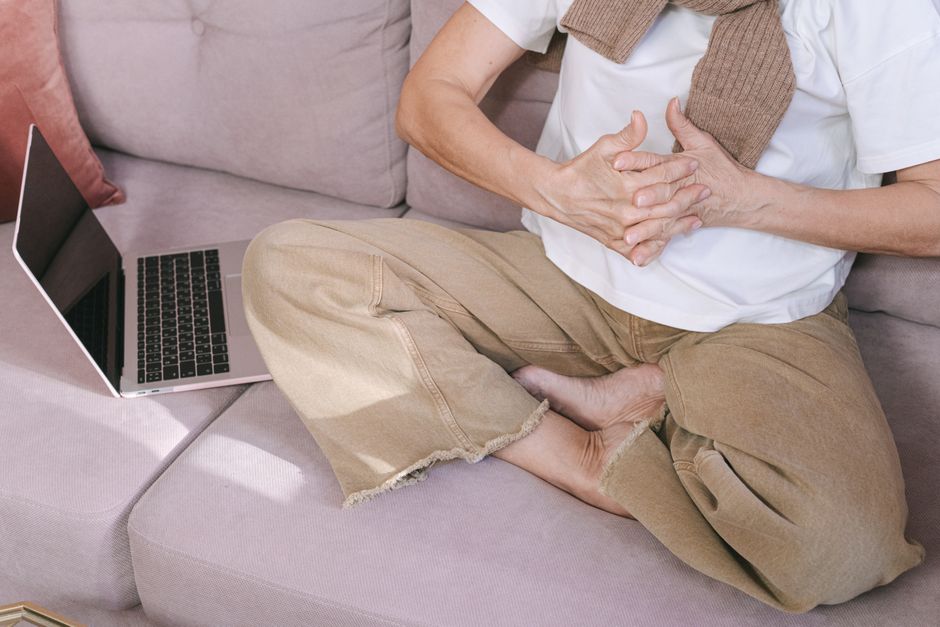
Sitting for long hours is a normal part of modern life, whether at a desk, in a car, or on a couch. The short answer is yes, you can get hemorrhoids from sitting, but sitting alone is rarely the sole cause. Prolonged sitting increases pressure on the veins in your lower rectum, which is a major contributing factor, but it usually combines with other issues like straining, constipation, or weak vein walls to actually trigger the condition.
How Does Sitting Actually Cause Hemorrhoids?
Hemorrhoids are swollen veins in the lowest part of your rectum and anus. These veins are designed to handle pressure, but they have a limit. When you sit for long stretches, you put direct, sustained pressure on these veins. This pressure slows blood flow and causes the veins to stretch and bulge, much like varicose veins in your legs.
The human body is not built for hours of uninterrupted sitting. Even the most comfortable office chair concentrates your entire body weight onto a small area of the pelvic floor. Over time, this constant compression weakens the supporting tissues around the veins. When the tissue stretches, the veins can slip down and form the lumps that people recognize as hemorrhoids.
It is important to distinguish between sitting as a trigger and sitting as the root cause. A person with strong veins and regular bowel habits can sit for hours without developing hemorrhoids. However, someone who already has increased pressure from constipation or pregnancy may find that sitting is the final push that causes symptoms to appear.
Is Sitting Worse Than Other Causes?
Prolonged sitting is a significant risk factor, but it is not the most common cause. The leading cause of hemorrhoids is straining during bowel movements. When you push hard to pass stool, you create a sudden, intense spike in pressure in the rectal veins. This pressure is often more damaging than the steady, low-level pressure from sitting.
Chronic constipation and diarrhea also play a major role. Constipation makes stool hard and difficult to pass, which leads to straining. Diarrhea causes frequent trips to the bathroom, which means more time spent sitting on the toilet and more irritation to the anal area. Many people who develop hemorrhoids have a combination of these factors, not just a sedentary job.
Pregnancy is another major contributor. The growing uterus presses on the veins in the pelvis, and hormonal changes relax the vein walls. This is why hemorrhoids are extremely common during the third trimester and shortly after childbirth. In this case, sitting may worsen the discomfort, but it did not start the problem.
What Is the Difference Between Sitting on a Chair and Sitting on the Toilet?
There is a meaningful difference between sitting in an office chair and sitting on a toilet. The toilet seat has a hole in the center, which means your anal area is not supported. This position causes the rectum to hang slightly downward, and gravity combined with the lack of support increases pressure on the veins.
Reading or scrolling on your phone while on the toilet makes this worse. The longer you sit on the toilet, the more pressure builds. Spending more than 10 minutes on the toilet is generally considered excessive. The position also encourages straining because the natural angle of your body is not optimal for passing stool.
To reduce risk, it is recommended to avoid sitting on the toilet longer than necessary. If you do not feel the urge to go, get up and try again later. This simple habit can prevent the pressure buildup that leads to hemorrhoids.





Can You Get Hemorrhoids From Sitting All Day at Work?
Yes, a desk job can contribute to hemorrhoid development, but it is not a guaranteed outcome. Studies have shown that people who sit for more than eight hours a day have a higher risk of developing hemorrhoids compared to those who move around regularly. The risk increases when long sitting hours are combined with poor posture and a lack of fiber in the diet.
Standing desks and walking breaks can help, but they are not a cure. The key is to interrupt prolonged sitting. Standing up every 30 to 45 minutes, even for just a minute or two, allows blood to flow back out of the rectal veins. This brief relief reduces the cumulative pressure that builds over an eight-hour shift.
Ergonomic cushions, such as donut pillows or coccyx cushions, are commonly recommended. The evidence for their effectiveness is limited, but they can reduce direct pressure on the anal area. Some clinicians recommend them for comfort, but they do not address the underlying pressure from straining or constipation.
What Are the First Signs That Sitting Has Caused a Problem?
The most common early symptom is bright red blood on the toilet paper after wiping. This blood comes from a small tear or a swollen vein that has started to bleed. It is usually painless and can be alarming, but it is rarely an emergency. However, any rectal bleeding should be evaluated by a doctor to rule out more serious conditions.
Other early signs include itching, irritation, and a feeling of fullness or pressure in the rectum. Some people describe a sensation that they still need to have a bowel movement even after going. This feeling occurs because the swollen veins take up space in the anal canal.
Pain is not always present. External hemorrhoids, which form under the skin around the anus, are more likely to cause pain and swelling. Internal hemorrhoids, which form inside the rectum, often bleed without any pain at all. If a blood clot forms in an external hemorrhoid, it can cause sudden, severe pain and a hard lump.
How Do You Reverse the Damage From Sitting?
The first step is to address the pressure source. If you sit for work, take regular breaks to stand and walk. If you strain on the toilet, increase your water intake and dietary fiber to soften stool. These two changes address the mechanical causes of hemorrhoids more effectively than any topical cream.
Over-the-counter creams and suppositories containing hydrocortisone can reduce itching and inflammation. They are safe for short-term use, typically up to one week. Prolonged use of steroid creams can thin the skin and make the area more fragile, so they should not be used continuously without medical supervision.
Warm sitz baths are a simple and effective home treatment. Sitting in a few inches of warm water for 10 to 15 minutes, two to three times a day, helps relax the anal sphincter and increases blood flow to the area. This can reduce pain and promote healing. There is no need to add soap or any other product to the water.
If symptoms do not improve within a week or two, or if the bleeding returns, it is important to see a doctor. Some hemorrhoids require in-office procedures such as rubber band ligation or sclerotherapy. These are minor procedures that are highly effective for internal hemorrhoids that do not respond to home care.
How Can You Prevent Hemorrhoids if You Must Sit for Work?
Prevention focuses on reducing pressure and keeping stool soft. A diet high in fiber, including fruits, vegetables, and whole grains, is the most effective preventive measure. Fiber absorbs water and adds bulk to stool, which makes it easier to pass without straining. Aim for gradual increases in fiber to avoid gas and bloating.
Hydration is just as important as fiber. Fiber works by absorbing water, so without enough fluid, it can actually make constipation worse. Drinking enough water throughout the day keeps the digestive system moving and prevents the hard, dry stool that leads to straining.
Physical activity is another key factor. Exercise promotes regular bowel movements and improves circulation. You do not need to run a marathon. A 20 to 30 minute walk most days of the week is enough to reduce your risk. The goal is to keep blood moving and avoid the stagnation that comes from prolonged sitting.
Finally, do not ignore the urge to have a bowel movement. Delaying the urge allows the colon to reabsorb water from the stool, making it harder and more difficult to pass. Responding promptly to the body’s signals reduces the need to strain later.
Frequently Asked Questions
Can sitting on a hard surface cause hemorrhoids?
Yes, sitting on a hard surface increases direct pressure on the anal veins, but the duration of sitting matters more than the surface. Taking regular breaks to stand and walk reduces this pressure regardless of the chair.
How long can you sit before getting hemorrhoids?
There is no fixed time limit, but sitting for more than eight hours a day without breaks increases your risk. Interrupting sitting every 30 to 45 minutes helps prevent the pressure buildup that contributes to hemorrhoids.
Will hemorrhoids go away if you stop sitting so much?
Reducing sitting time can help, but it may not be enough if you also have constipation or straining issues. Treating the underlying causes, such as adding fiber and staying hydrated, is necessary for the hemorrhoids to fully resolve.
Are hemorrhoids from sitting permanent?
No, most hemorrhoids are not permanent. With proper treatment, including lifestyle changes and home care, they usually shrink and stop causing symptoms within a week or two. Persistent or severe cases may require a minor medical procedure.
