
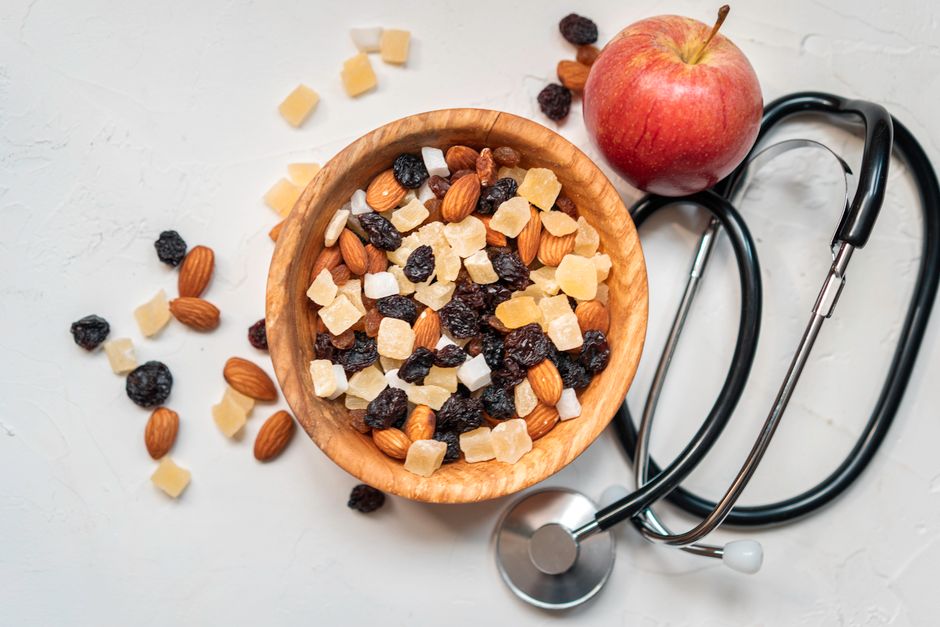
If you are constipated, dried fruit can help — but only certain kinds, and only if you eat enough of them and drink enough water alongside. Dried fruits such as prunes, figs, apricots, and raisins contain fiber and natural compounds that can soften stool and speed up the bowel. The catch is that not all dried fruit works equally well, and eating them without enough fluid can sometimes make constipation worse rather than better.
Is Dried Fruit Good For Constipation Relief?
Yes, dried fruit can be a genuinely useful food for constipation. That is not marketing talk — it reflects how fiber and certain natural sugars behave in the gut.
Fiber adds bulk to stool and helps it hold water, which makes it softer and easier to pass. Dried fruit is a concentrated source of fiber because the water has been removed. A small handful can deliver a meaningful amount of fiber in a way that is easy to eat.
Some dried fruits also contain natural compounds that draw water into the intestines. Prunes are the best-studied example. They contain both fiber and sorbitol, a type of sugar alcohol that pulls water into the bowel and can stimulate movement. That combination is likely why prunes tend to work better than many other dried fruits for constipation.
The important qualifier: dried fruit helps only when it is part of a diet that includes enough fluid and overall fiber. Eating dried fruit while dehydrated can backfire, because fiber needs water to do its job.
Which Dried Fruits Are Best For Constipation?
Prunes lead the pack, and this is one of the few areas of nutrition where the evidence is fairly consistent. Prunes — dried plums — contain fiber, sorbitol, and a compound called dihydrophenylisatin that appears to stimulate bowel contractions.
Other dried fruits that can help include:
- Prunes: The most studied option for constipation, with both fiber and sorbitol.
- Figs: High in fiber and often used as a traditional remedy for sluggish bowels.
- Apricots: A good fiber source, though less studied than prunes for constipation specifically.
- Raisins: Contain fiber and some sorbitol, but in lower amounts than prunes.
- Dates: High in fiber and natural sugars, though not as well studied for constipation.
If you are choosing one dried fruit to try first, prunes have the strongest track record. That does not mean the others are useless — just that the evidence behind them is thinner.
How Much Dried Fruit Should You Eat For Constipation?
There is no official clinical guideline that sets a specific dose of dried fruit for constipation. That is an honest limitation worth stating plainly, because you will see confident numbers online that are not backed by formal guidance.
What is well established is general fiber intake. Most adults are advised to get roughly 25 to 30 grams of fiber per day, and many people fall short of that. Dried fruit can help close the gap, but it is rarely enough on its own.
For prunes specifically, some research suggests that a small serving — often described as around 50 grams, or about four to six prunes — can help with mild constipation in some people. This is not a universal recommendation, and individual responses vary widely. Some people notice a difference from a few prunes. Others need more, and some get gas or bloating before they get relief.
A reasonable approach is to start small and increase gradually. Eating a large amount of dried fruit at once is more likely to cause gas, bloating, and cramping than to help.





Why Can Dried Fruit Sometimes Make Constipation Worse?
This sounds contradictory, but it happens, and the reason is usually fluid. Fiber works by absorbing water. If you add a lot of fiber without adding water, the fiber can form a dry, hard mass that is harder to pass than before.
Dried fruit is low in water by definition — that is what drying does. So if you eat prunes or figs without drinking enough fluids, you may not get the softening effect you were hoping for.
There is a second reason. Dried fruit is high in a type of carbohydrate that some people do not fully digest. In sensitive people, this can cause gas and bloating. That discomfort is not dangerous, but it can make you feel worse in the short term.
The fix is simple in principle: drink water with and after eating dried fruit, and increase your intake slowly rather than all at once.
How Does Dried Fruit Compare To Other Constipation Remedies?
Dried fruit sits somewhere in the middle of the constipation toolbox. It is gentler than many laxatives and generally well tolerated, but it is not as fast or as predictable as some over-the-counter options.
Here is a broad comparison of common approaches:
| Approach | How It Works | Speed |
|---|---|---|
| Dried fruit (prunes, figs) | Fiber plus natural compounds that draw water into the bowel | Gradual — often within a day or so |
| Extra water and overall fiber | Softens and bulks stool | Gradual |
| Osmotic laxatives | Pull water into the intestines | Often within hours to a day |
| Stimulant laxatives | Trigger bowel contractions | Usually within hours |
| Physical activity | Supports normal bowel movement | Gradual, preventive |
This table is a general guide, not a recommendation. Which option fits depends on how severe your constipation is, how long it has lasted, and your overall health. A doctor or pharmacist can help you choose, especially if constipation is ongoing.
When Should You See A Doctor About Constipation?
Occasional constipation is common and usually not a sign of anything serious. But some situations call for medical attention rather than a dietary tweak.
See a doctor if you have:
- Constipation that lasts more than a few weeks despite diet changes
- Blood in your stool or bleeding from the rectum
- Unexplained weight loss
- Severe abdominal pain
- A sudden change in bowel habits that does not go away
- Constipation that alternates with diarrhea
These signs do not automatically mean something is wrong, but they are reasons to get checked rather than self-treat. This is especially true for adults over 45, where a change in bowel habits deserves a professional look.
Does Dried Fruit Work For Everyone?
No. Response to dried fruit varies a lot from person to person, and that variability is real, not a cop-out.
Some people find prunes reliably helpful. Others notice little difference. A few get bloating or gas that outweighs any benefit. People with irritable bowel syndrome may find that certain dried fruits trigger symptoms, because some of the sugars in dried fruit are fermentable.
People with diabetes should also be mindful. Dried fruit is concentrated in natural sugars, and it can affect blood sugar more than fresh fruit does per equal weight. That does not mean it must be avoided, but portion size matters.
If you have a health condition or take medication, it is worth checking with a doctor or dietitian before relying on dried fruit as a regular constipation strategy.
The Bottom Line On Dried Fruit And Constipation
Dried fruit is a reasonable, food-based option for mild constipation, and prunes have the best evidence behind them. Fiber and natural compounds in dried fruit can soften stool and support bowel movement, but they work best alongside enough water and an overall diet rich in fiber.
Start small, drink plenty of fluids, and give it a little time. If constipation is persistent, painful, or comes with warning signs, food alone is not the answer — see a doctor.
Frequently Asked Questions
Are prunes or figs better for constipation?
Prunes have more research behind them for constipation, largely because they contain both fiber and sorbitol. Figs are also high in fiber and can help, but they are less studied for this specific purpose.
How many prunes should I eat to relieve constipation?
There is no official clinical guideline for a specific number. Some research suggests a small serving of about four to six prunes can help some people, but individual responses vary and it is best to start small.
Can dried fruit make constipation worse?
Yes, if you eat it without enough fluid, because fiber needs water to soften stool. Eating a large amount at once can also cause gas and bloating in some people.
Is dried fruit safe to eat every day?
For most healthy adults, moderate daily amounts of dried fruit are fine as part of a balanced diet. People with diabetes should watch portions because dried fruit is high in natural sugars.
