
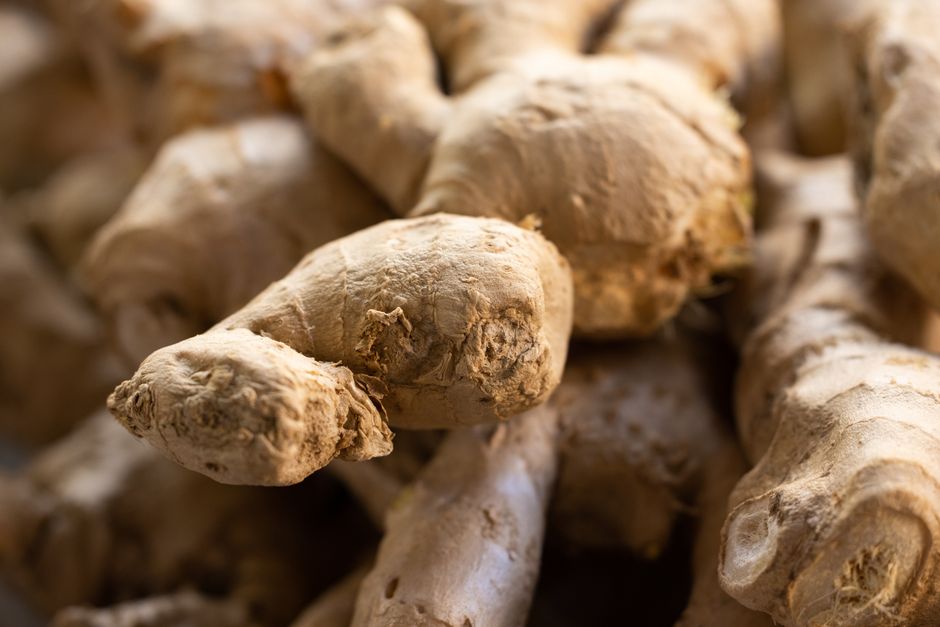
Ginger tea is a traditional remedy for diarrhea, but its role is supportive, not curative. You can make a simple tea by steeping fresh peeled ginger in hot water for about 10 minutes, or by simmering it gently for a stronger brew. It will not stop diarrhea on its own, and it should never replace oral rehydration, which is the treatment that actually saves lives.
If you are dealing with diarrhea, the most important thing you can do is replace lost fluids and electrolytes. Ginger tea can be part of that fluid intake, and ginger may help settle nausea that often comes with stomach upset. What follows is how to make it, what the evidence does and does not show, and when diarrhea needs medical care instead of home remedies.
How To Make Ginger Tea For Diarrhea Relief
There are two reliable ways to make ginger tea, and the difference comes down to strength and time.
Fresh ginger tea: Peel a piece of fresh ginger root about one inch long. Slice it thin or grate it. Put it in a mug and pour about 8 ounces of hot water over it. Cover the mug and let it steep for 10 minutes. Strain before drinking.
Simmered ginger tea: For a stronger brew, put the same amount of sliced ginger in a small pot with 8 ounces of water. Bring it to a gentle simmer for 10 to 15 minutes. Strain and drink. Simmering extracts more of the pungent compounds than steeping alone.
Dried ginger powder also works. Use about a quarter to half a teaspoon stirred into hot water. It is more concentrated than fresh root, so start with less.
A few practical notes matter when you have diarrhea:
- Drink the tea warm or at room temperature, not scalding hot.
- Skip added honey or sugar in large amounts. Sugary drinks can pull more water into the gut and may make diarrhea worse.
- Do not add milk. Dairy can be hard to digest during a stomach upset, especially if you are temporarily lactose intolerant, which commonly happens after a bout of diarrhea.
- Sip slowly rather than drinking a large mug at once.
Ginger tea counts toward your fluid intake, but it is not a rehydration solution. For that, you need the right balance of sodium, sugar, and water.
Does Ginger Actually Help With Diarrhea?
The honest answer is that the evidence is limited. Ginger has been studied more for nausea and vomiting than for diarrhea itself, and the results there are mixed but generally modest.
Some research suggests ginger compounds may help with nausea, including nausea from pregnancy and motion sickness. That is a different problem from diarrhea, even though the two often occur together. Whether ginger slows diarrhea, reduces cramping, or shortens how long it lasts is not well established in human trials.
What ginger does have going for it is that it is generally well tolerated in food amounts and as a tea. It is not a drug, and it is not a proven treatment for diarrhea. Think of it as something that may make you more comfortable and help you drink more fluids, not as a cure.
One clarification worth making: ginger is not the same as an antidiarrheal medication. It does not work the way loperamide does, and it should not be used as a substitute when diarrhea is severe or when an antidiarrheal is genuinely needed.
Why Fluids Matter More Than Ginger
Diarrhea kills through dehydration, not through the diarrhea itself. That is why fluid and electrolyte replacement is the foundation of care, and everything else is secondary.
When you have diarrhea, you lose water along with sodium, potassium, and other electrolytes. Plain water alone does not replace those losses well. An oral rehydration solution — the kind sold in pharmacies or made from a standardized recipe — is designed to replace both water and electrolytes in the right proportions. This is one of the most well-established treatments in all of medicine, and it is credited with saving millions of lives worldwide.
Ginger tea can be one of the fluids you drink during the day. It should not be the only one. If you are losing a lot of fluid, an oral rehydration solution should be your main drink, with ginger tea as an occasional addition.
Signs that you are falling behind on fluids include:
- Dark yellow urine or urinating much less than usual
- Dry mouth and lips
- Feeling dizzy or lightheaded when standing up
- Fatigue and weakness
In young children and older adults, dehydration can develop faster and be more dangerous. Watch for sunken eyes, no tears when crying, or unusual sleepiness in a child.




How Much Ginger Tea Is Reasonable?
There is no official recommended dose of ginger tea for diarrhea, because it has not been established as a treatment for that purpose. In general, one to three cups a day is a common and generally well-tolerated amount for adults using ginger for digestive comfort.
More is not better here. Large amounts of ginger can cause heartburn, stomach discomfort, or a burning sensation in the mouth and throat. In some people it can actually irritate the stomach.
Ginger can interact with blood-thinning medications such as warfarin, and it may affect blood sugar. If you take medication for diabetes or a blood thinner, talk to your doctor or pharmacist before using ginger in amounts beyond what you would eat in food.
For children, pregnant women, and breastfeeding women, no clinical guidelines exist for using ginger tea specifically to treat diarrhea. Ginger has been studied for nausea in pregnancy, but that is a different use. If you are pregnant, breastfeeding, or giving this to a child, check with a clinician first.
What Actually Helps Diarrhea Get Better
Most cases of acute diarrhea are caused by a viral infection and resolve on their own within a few days. During that time, the goal is to stay hydrated and comfortable while your body clears the infection.
Things that genuinely help:
- Drink oral rehydration solution regularly, in small sips if you feel nauseated.
- Eat when you feel able. Bland foods like rice, bananas, toast, and crackers are often easier to tolerate, though there is no strong evidence that any specific food speeds recovery.
- Rest. Your body is fighting an infection.
- Wash your hands well to avoid spreading the infection to others.
Things that are often recommended but not strongly supported:
- Probiotics. Some studies suggest certain strains may slightly shorten diarrhea, but results vary widely by strain and cause. It is not a reliable fix.
- Cutting out all food. This is generally not necessary and can leave you weaker.
Antidiarrheal medications like loperamide can reduce symptoms in adults with simple, non-bloody diarrhea. They should not be used if you have a fever or bloody stools, because in some infections slowing the gut can make things worse. If you are unsure, ask a pharmacist or doctor.
Antibiotics are not helpful for viral diarrhea, which is the most common cause. They are used only for specific bacterial infections, and only when a clinician determines they are needed.
When Diarrhea Needs Medical Care
Most diarrhea is not dangerous for healthy adults. Some situations are different and need prompt medical attention.
Seek care if you have:
- Blood or mucus in your stool
- A fever, especially a high one
- Severe abdominal pain
- Signs of dehydration that are not improving with fluids
- Diarrhea lasting more than a few days in an adult, or more than about a day in a young child
- Diarrhea after recent travel or after taking antibiotics
Diarrhea after antibiotics can be a sign of a serious infection and should be evaluated. Diarrhea with blood or high fever is also a reason to see a doctor rather than treat at home.
Ginger tea is fine to sip while you recover, but it should never delay getting care when these warning signs are present.
Frequently Asked Questions
How do you make ginger tea for diarrhea?
Peel and slice about an inch of fresh ginger, then steep it in 8 ounces of hot water for 10 minutes, or simmer it gently for 10 to 15 minutes for a stronger tea. Strain and sip it warm, and use it alongside oral rehydration rather than as a replacement.
Does ginger tea stop diarrhea?
No, ginger tea is not a proven treatment for stopping diarrhea. It may help with nausea and help you drink more fluids, but it does not replace oral rehydration or medical care when symptoms are severe.
How much ginger tea can you drink when you have diarrhea?
One to three cups a day is a common and generally well-tolerated amount for adults. There is no official recommended dose for diarrhea specifically, and large amounts can cause heartburn or stomach irritation.
Is ginger tea safe for children or pregnant women with diarrhea?
No clinical guidelines exist for using ginger tea to treat diarrhea in children, pregnant women, or breastfeeding women. Check with a clinician before using it for these groups.
