
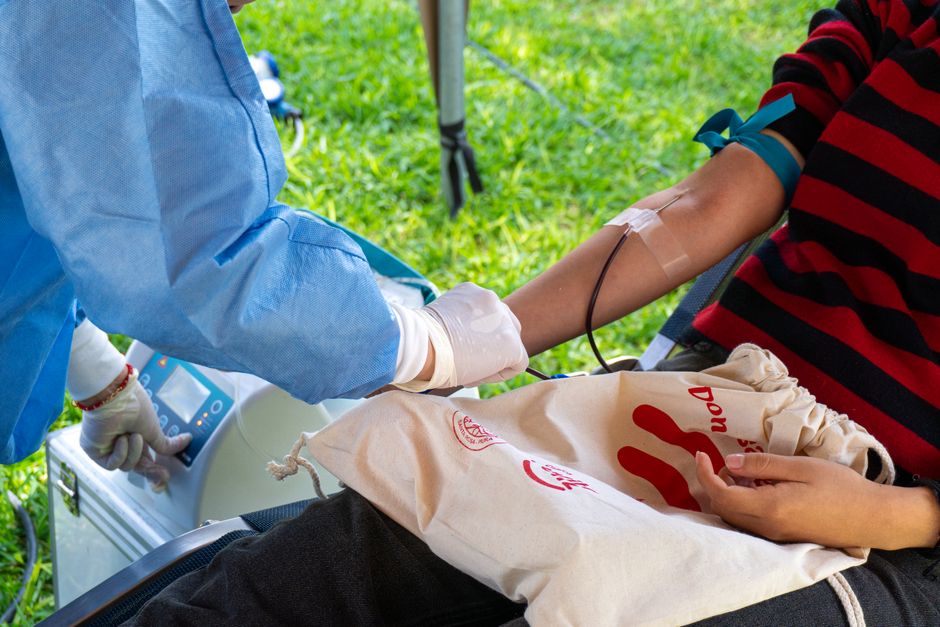
Donating plasma involves a needle stick, and most people feel a brief pinch or sting when it goes in. The discomfort typically lasts only a few seconds, and the rest of the donation process is usually painless. Most donors describe the overall experience as mildly uncomfortable rather than painful, though individual sensitivity varies.
What Does the Needle Stick Actually Feel Like?
The needle used for plasma donation is larger than the one used for a standard blood draw. That is because plasma needs to be collected at a certain speed. A larger needle means a more noticeable pinch when it enters the vein.
Most people compare the sensation to a quick bee sting or a firm pinch. The sharp feeling lasts for about two to three seconds. Once the needle is in place, most donors report feeling nothing at all from the insertion site during the donation itself.
The arm area where the needle goes in is usually the inner elbow. This area has fewer nerve endings than fingertips, which helps reduce the pain. The skin is cleaned with antiseptic first, and that cold sensation is often more noticeable than the needle itself.
Why Some People Feel More Pain Than Others
Pain tolerance varies significantly from person to person. Some donors barely notice the needle. Others find it genuinely uncomfortable. Neither response is unusual.
Your hydration status matters. Well-hydrated veins are fuller and easier to hit, which often means a smoother insertion. Dehydrated veins are smaller and harder to access, which can lead to multiple attempts and more discomfort.
Anxiety also plays a role. People who are anxious about needles often perceive more pain. If you are nervous, tell the staff. They have experience helping nervous donors and can adjust their approach.
What Happens During the Actual Plasma Donation?
Plasma donation uses a process called plasmapheresis. Whole blood is drawn from your arm, and a machine separates the plasma from the red blood cells and platelets. The red cells and platelets are then returned to your body through the same needle.
The return cycle can cause a brief cold sensation in your arm. This happens because the returning fluids are at room temperature or slightly cooler than your body. Some donors describe it as a cool feeling or a mild tingling. It is not painful for most people.
The entire process takes about 90 minutes from check-in to completion. The actual needle time is usually around 40 to 60 minutes. During this time, you can watch TV, read, or use your phone with your free hand.
Some donors experience a mild tingling sensation around their lips or fingers during the return cycle. This is caused by the anticoagulant citrate used to prevent clotting in the machine. Staff can adjust the return speed or give you a calcium supplement to ease this feeling.




Does It Hurt More Than Donating Blood?
The needle stick sensation is similar to a regular blood donation. The main difference is time. A whole blood donation takes about 10 minutes. Plasma donation takes up to an hour with the needle in place.
Because plasma donation takes longer, some people report more arm fatigue or stiffness afterward. This is not pain during the donation itself, but it can feel like muscle soreness later in the day.
The return cycle is unique to plasma donation. Whole blood donation does not have this step. The cold sensation during the return is something regular blood donors may not expect.
What About Pain After the Donation?
Most donors have a small bruise or sore spot at the needle site for a day or two. This is normal and typically mild. A cold pack applied for the first few hours can reduce bruising.
Some people feel lightheaded or tired after donating. This is more common in first-time donors. Eating a snack and drinking fluids after your donation helps your body recover. Most donation centers provide juice and cookies for this reason.
Serious complications are rare. Infection at the needle site, nerve irritation, or a vein injury can happen but are uncommon when staff follow proper procedures. If you have severe pain, swelling, or redness that gets worse after donation, contact the center or seek medical attention.
How to Make the Experience Less Painful
Preparation makes a real difference. Drink plenty of water in the 24 hours before your appointment. Avoid alcohol for at least 24 hours prior. Eat a balanced meal within a few hours of donating.
Wear clothing with loose sleeves or sleeves that roll up easily. Tight sleeves can make the phlebotomist’s job harder and increase the chance of a difficult stick.
Warm your arms before the needle. A warm compress or simply washing your hands with warm water helps your veins become more visible and accessible. This can reduce the number of attempts needed.
Distraction works for many people. Bring headphones and listen to music or a podcast. Some centers have TVs. Focusing on something other than the needle can significantly reduce perceived pain.
What the Research Says About Plasma Donation Pain
Studies on plasma donor experiences consistently show that most donors rate the pain as mild. Research published in transfusion medicine journals has found that donor satisfaction is high overall, with needle discomfort being one of the least significant factors in whether someone returns to donate.
The evidence does not support the idea that plasma donation is a highly painful procedure. Most donors who return do so because the experience was manageable. The fear of pain is often worse than the actual sensation.
Some studies suggest that first-time donors report slightly higher pain scores than repeat donors. This likely reflects anxiety more than actual physical differences. Repeat donors know what to expect, which reduces their stress response.
Who Should Not Donate Plasma
Plasma donation is not suitable for everyone. People with certain medical conditions, low iron levels, or a history of fainting during blood draws may not qualify. The screening process at the center will determine your eligibility.
If you have a genuine fear of needles that causes significant distress, plasma donation may not be a good fit for you. There is no shame in this. The staff would rather you be honest than have a difficult experience.
Pregnant women and people with certain chronic conditions are typically deferred from donation. The screening questionnaire covers these factors. Always be honest with the screening staff about your medical history.
Frequently Asked Questions
How long does the needle pain last during plasma donation?
The sharp pain from the needle stick lasts about two to three seconds. After the needle is in place, most donors feel no pain for the rest of the donation.
Can I take pain medication before donating plasma?
Aspirin and ibuprofen do not disqualify you from plasma donation, but they can thin your blood and increase bruising risk. Acetaminophen is generally considered safe, but tell the screening staff about any medication you take.
Why does my arm feel cold during plasma donation?
The cold sensation happens when the machine returns your red blood cells and a saline solution to your body. These fluids are cooler than your body temperature, which creates a temporary cooling feeling in your arm.
Is plasma donation more painful for people with small veins?
People with smaller veins may need more than one attempt to place the needle, which can increase overall discomfort. Staying well hydrated helps make veins larger and easier to access.
