
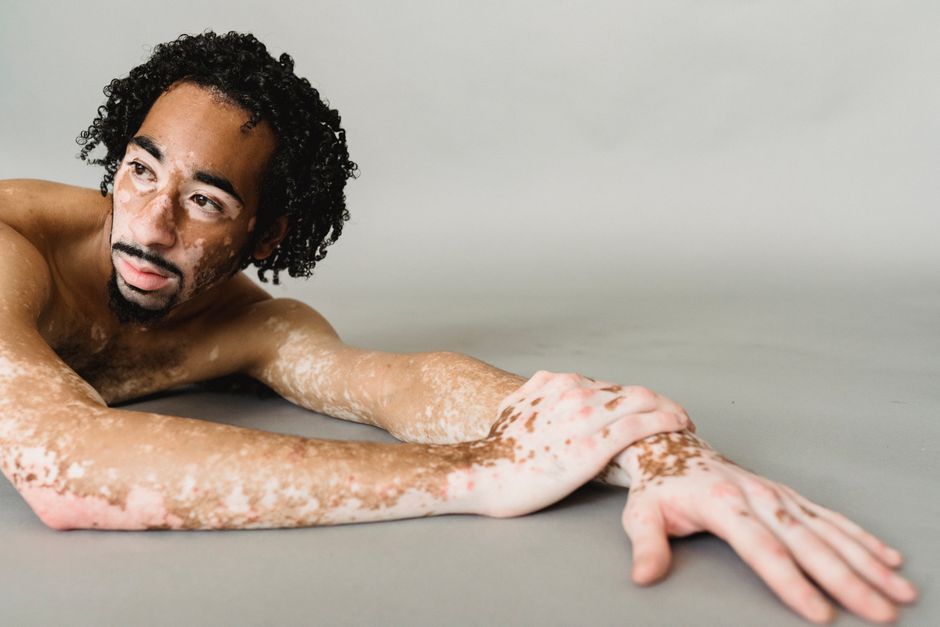
Vitiligo is a condition where patches of skin lose their color. It happens because the cells that make skin pigment, called melanocytes, are damaged or destroyed. Vitiligo does not go away on its own, and there is currently no cure that works for everyone. But treatments can sometimes bring pigment back, and in some people the condition stops spreading.
That answer matters because vitiligo is common, visible, and often misunderstood. It affects people of all skin tones, though it stands out more on darker skin. It is not contagious. It is not caused by poor hygiene or diet. And it is not a sign of skin cancer.
What Actually Happens in Vitiligo?
Melanocytes are pigment-producing cells found in the top layer of your skin, in hair follicles, and in the eyes. In vitiligo, the immune system attacks these cells. The result is patches of skin that appear white or lighter than the surrounding area.
The exact trigger for this immune attack is not fully understood. Research points to a combination of genetics and environmental factors. People with vitiligo often have a family history of it or of other autoimmune conditions. The evidence consistently shows an autoimmune component, though the precise sequence of events that starts the process remains an active area of study.
Vitiligo can appear anywhere on the body. Common sites include the hands, wrists, face, and areas around body openings. It can also affect hair, turning it white or gray in affected areas. The condition sometimes follows a pattern where patches appear on both sides of the body in roughly the same places.
One detail that surprises many people: vitiligo is not just a cosmetic issue. The skin in affected areas has lost its natural protection against ultraviolet light. That means those patches can burn more easily in the sun. This is a real medical concern, not a minor one.
Can Vitiligo Go Away on Its Own?
Spontaneous repigmentation, meaning color returning without treatment, does happen. But it is uncommon and usually limited.
Some studies suggest that a small share of people with vitiligo see some pigment return on their own, especially in areas that still have some melanocytes left. The face and neck tend to respond better than the hands and feet. But for most people, vitiligo either stays the same or slowly spreads over time.
The course of vitiligo is unpredictable. Some people have a few stable patches for years. Others see rapid spreading during periods of stress, illness, or skin injury. No reliable way exists to predict which path any one person will take.
This unpredictability is one of the hardest parts of the condition. It also means that when someone says their vitiligo “went away,” it is worth asking what actually happened. In many cases, treatment helped. In others, the condition stabilized on its own. Those are different things.
What Treatments Can Bring Pigment Back?
Treatment for vitiligo aims to stop the spread, bring back color where possible, and protect the skin. Results vary widely from person to person. No single treatment works for everyone, and none is guaranteed.
Several approaches are used in clinical practice:
- Topical corticosteroids. These are creams or ointments that calm the immune attack. They are often used on small areas and for limited periods because long-term use can thin the skin.
- Topical calcineurin inhibitors. These are non-steroid creams sometimes used on the face and neck, where steroid side effects are a bigger concern.
- Phototherapy. This involves controlled exposure to ultraviolet light, usually narrowband UVB. It is one of the more established options for widespread vitiligo. It requires many sessions over months and does not work for everyone.
- Excimer laser. A targeted form of light therapy used for smaller areas.
- Surgical options. In some cases, doctors transfer pigment cells from unaffected skin to affected areas. This is generally considered for stable vitiligo that has not changed for a period of time.
- Depigmentation. For widespread vitiligo, some people choose to remove the remaining pigment to even out skin tone. This is a permanent decision and is typically a last resort.
A newer class of topical treatments has emerged in recent years, targeting specific immune pathways involved in vitiligo. Some of these have shown promise in clinical trials. As with all vitiligo treatments, response varies, and not everyone regains pigment.
One honest point: even when treatment works, the color that returns may not perfectly match the surrounding skin. And vitiligo can come back after treatment stops. Managing expectations matters as much as managing the condition.
Does Vitiligo Always Spread?
No. Vitiligo does not always spread, and it does not spread at the same rate for everyone.
Some people have a few patches that stay put for years. Others experience periods of stability followed by periods of activity. The pattern is different for each person, and there is no reliable way to know in advance what will happen.
Certain factors are associated with spreading. Skin injury, such as a cut, scrape, or severe sunburn, can sometimes trigger new patches in the injured area. This is called the Koebner phenomenon. Emotional stress is often reported by patients as a trigger, though the research on this is less clear and harder to measure.
Because the course is unpredictable, many dermatologists focus on stopping active spread first, then working on repigmentation. That order matters. Trying to bring color back while the condition is still actively spreading often does not work well.
Is There a Cure for Vitiligo?
There is no cure for vitiligo. No treatment currently reverses the condition permanently for all people or prevents it from ever returning.
This is an important distinction. A cure would mean the condition is gone for good. What exists instead are treatments that can reduce spread and, in some cases, restore pigment. Those are meaningful outcomes, but they are not the same as a cure.
Anyone claiming a guaranteed cure, whether through a supplement, a diet, a cream, or a device, is making a claim that no clinical evidence supports. Vitiligo is an autoimmune condition. It cannot be cured by avoiding certain foods, taking a specific vitamin, or applying a home remedy. Some of these approaches may even cause harm.
The good news is that research into vitiligo is active. Understanding of the immune pathways involved has grown, and that has led to new treatment targets. That is genuine progress. But progress is not the same as a cure, and it is honest to say so.
Can You Prevent Vitiligo From Getting Worse?
You cannot prevent vitiligo from starting. But there are steps that may help reduce triggers and protect your skin.
Sun protection is the most practical step. Because affected skin lacks melanin, it burns more easily. Using sunscreen, wearing protective clothing, and avoiding peak sun hours can help prevent sunburn, which may trigger new patches in some people.
Avoiding skin injury where possible is also reasonable. This includes being careful with harsh scrubs, tight clothing that rubs, and activities that cause repeated friction.
Managing stress is often recommended, though the evidence linking stress to vitiligo activity is not strong enough to call it a proven trigger. It is reasonable advice for general health regardless.
If you have vitiligo, seeing a dermatologist early is worth considering. Starting treatment while the condition is active may improve the chance of slowing it down. That said, no treatment guarantees that vitiligo will stop spreading.
What About Diet and Supplements?
No diet has been shown to cure vitiligo or reliably bring pigment back.
Some small studies have looked at certain nutrients, including vitamin D, vitamin B12, and folic acid, in people with vitiligo. Results have been mixed, and no large trial has confirmed that taking these supplements reverses the condition. Some clinicians check for deficiencies and treat them if found, but that is different from using supplements as a vitiligo treatment.
Marketing for vitiligo supplements often leans on the idea that the condition is caused by a nutritional gap. The evidence does not support that. Vitiligo is an autoimmune condition, and no supplement has been shown to stop the immune attack that drives it.
If you are considering a supplement, talk to your doctor first. Some can interact with medications or cause side effects, and none are a substitute for proven treatments.
Living With Vitiligo
Vitiligo affects appearance, and that can affect how people feel about themselves. The psychological impact is real and worth taking seriously. Some people cope well. Others struggle, especially when patches are visible and spreading.
Counseling and support groups can help. So can connecting with others who have the condition. Feeling less alone does not change the skin, but it changes how the condition is carried.
Cosmetic options also exist. Makeup, self-tanners, and skin camouflage products can even out tone if that is something a person wants. Some people choose to embrace the appearance of vitiligo rather than cover it. Both are valid.
The most honest summary is this: vitiligo usually does not go away on its own, there is no cure, and treatment results vary. But the condition can be managed, spread can sometimes be slowed, and pigment can sometimes return. That is not a cure. It is still worth knowing.
Frequently Asked Questions
Can vitiligo go away without treatment?
It can, but this is uncommon and usually limited to small areas. Most people with vitiligo either stay stable or slowly spread over time.
Is vitiligo contagious?
No. Vitiligo is an autoimmune condition and cannot be passed from person to person. You cannot catch it by touching someone who has it.
Can vitiligo be cured permanently?
No cure currently exists for vitiligo. Treatments can slow spread and sometimes restore pigment, but they do not eliminate the condition for good.
Does vitiligo always spread to the whole body?
No. Some people have a few patches that stay stable for years, while others experience spreading. The course is different for each person and cannot be predicted.
