
Yes, donating bone marrow can hurt — but the pain is temporary and treatable. The most common method used today, peripheral blood stem cell donation, involves a series of injections and a needle stick that many donors describe as uncomfortable rather than painful. The older surgical method, which draws marrow from the hip bone, causes more soreness afterward, but donors are under anesthesia during the procedure and typically go home the same day.
What surprises many people is that the recovery is usually measured in days, not weeks. Understanding what each step actually feels like can replace fear with a realistic picture.
What Are the Two Ways to Donate Bone Marrow?
There are two distinct procedures, and they feel very different. Most people confuse them or assume the surgical version is the only option.
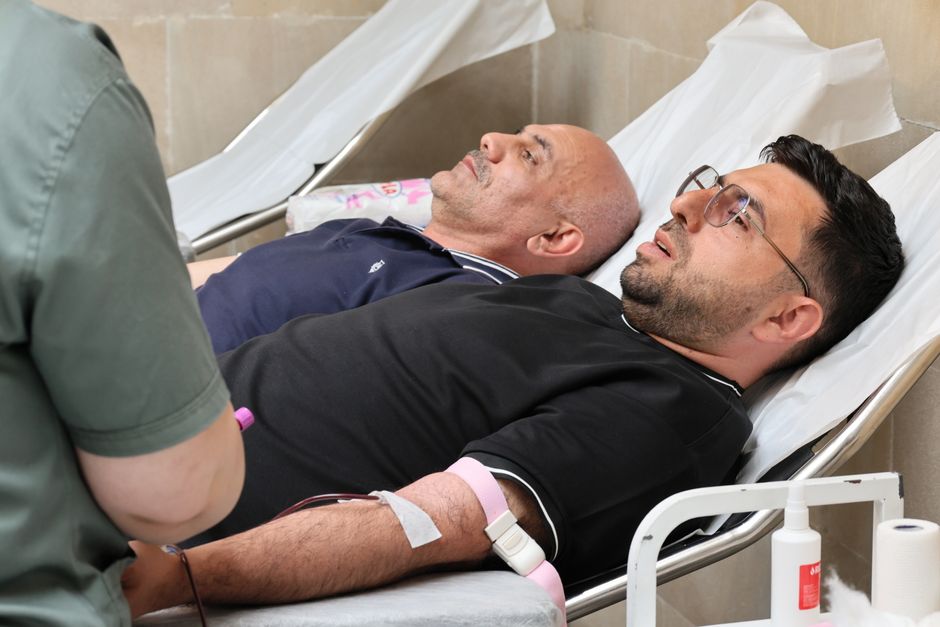
The first is peripheral blood stem cell donation, often called PBSC. It now accounts for the large majority of donations. For several days beforehand, the donor receives injections of a drug called filgrastim. This medicine pushes stem cells out of the bone marrow and into the bloodstream. On donation day, blood is drawn from one arm, run through a machine that separates out the stem cells, and returned through the other arm. The process takes several hours and does not require anesthesia.
The second is traditional bone marrow collection. This is a surgical procedure done under general or regional anesthesia. A doctor inserts a needle into the pelvic bone and draws out liquid marrow. The donor is asleep or numb and feels nothing during the collection itself.
Which method a patient needs depends on their disease and their doctor’s plan. Donors usually do not get to choose.
Is Donating Bone Marrow Hurt?
The discomfort differs by method, and honesty matters here more than reassurance.
With PBSC donation, the filgrastim injections are the main source of discomfort. Many donors report bone aches, headache, and a flu-like feeling during the days of injections. These effects come from the drug doing its job — moving stem cells into circulation — and they fade after donation. The needle sticks on donation day feel like any blood draw. Some people feel tired or chilled during the hours-long process because blood is circulating outside the body.
With surgical marrow collection, the procedure itself is painless because of anesthesia. The soreness arrives afterward. Donors commonly describe an ache in the lower back or hip area where the needle entered. It can make sitting or walking uncomfortable for a few days. Some compare it to the soreness after a hard workout or a bruise deep in the muscle.
One clarification worth knowing: the hip area is the standard collection site, not the spine. The bone marrow is accessed through the pelvic bone at the back of the hip. People often picture a needle going into the spinal column, which is not what happens.
How Painful Is the Recovery After Donation?
Most donors are back to normal activities within a short window. For PBSC donors, the flu-like effects from the injections typically ease within a few days after the last dose. Some feel back to themselves within 24 to 48 hours.
Surgical marrow donors usually feel tired and sore for roughly one to two weeks. The ache tends to improve steadily. Many return to work within a week, though jobs that involve heavy lifting or physical strain may need more time.
Fatigue is common after either method. Your body is replacing the stem cells it gave away, and that takes energy. The marrow regenerates on its own. Donors do not lose permanent marrow capacity — the body rebuilds what was collected.
Over-the-counter pain relievers are often enough for the soreness. Donation centers give specific instructions about which medications are acceptable, so follow their guidance rather than guessing.





What Side Effects Should Donors Expect?
Side effects are common and usually mild to moderate. They are also temporary.
- Bone or joint aches from filgrastim injections
- Headache and fatigue during the injection period
- Soreness at the needle site in the hip after surgical collection
- Tiredness for several days after donation
- Chills or a metallic taste during the blood-filtering process
- Bruising where needles were placed
Serious complications are rare but not zero. Filgrastim can, in uncommon cases, cause an enlarged spleen, which is why donors are asked to report severe abdominal or left-shoulder pain right away. Anesthesia carries its own small risks for the surgical method. Donation centers screen donors carefully and monitor them throughout, which is part of why the process takes planning rather than happening on a whim.
Long-term safety data on filgrastim in healthy donors is reassuring but not unlimited. Registries continue to track donors over time. If you are considering donation, it is fair to ask the center what follow-up they provide.
How Does Donation Compare to What the Patient Faces?
Donors sometimes feel their discomfort is trivial next to what the recipient endures — and that perspective is common. But it is not a reason to dismiss your own concerns.
For the patient, a stem cell transplant often follows intensive chemotherapy or radiation that wipes out their own marrow. The donation is one piece of a long, difficult treatment. Donors describe the experience as meaningful, and many say the temporary discomfort was easier than they expected.
That said, deciding to donate is a personal choice. Understanding the real sensations involved — the injections, the soreness, the fatigue — helps people make that choice with clear eyes rather than fear of the unknown.
Who Can Donate, and What Does Screening Involve?
Donors are matched to patients through genetic markers, most often human leukocyte antigens, or HLA. A close genetic match lowers the risk of the patient’s body rejecting the donated cells.
Age limits and health requirements vary by registry and country. In general, donors must be adults in good health, and many programs set an upper age limit in the range of the mid-50s to early 60s. Exact criteria differ, so check with the specific registry rather than relying on a general figure.
Screening includes a health questionnaire, blood tests, and a physical exam. This protects both the donor and the patient. Donation is voluntary at every stage, and donors can withdraw before the procedure.
Does Donating Bone Marrow Cause Lasting Harm?
The evidence does not show lasting harm from donation for most healthy donors. The body replaces the collected stem cells, and marrow function returns to normal.
Some donors report lingering fatigue for a few weeks. A small number describe ongoing aches, though these reports are not well studied and the evidence is limited. Registries continue to follow donors to learn more about long-term outcomes.
What is well established is that the short-term discomfort is real, manageable, and temporary for the great majority of donors. The procedure is not painless, and pretending otherwise does not help anyone. But the fear that often keeps people from considering donation tends to be larger than the reality.
Frequently Asked Questions
Does bone marrow donation hurt a lot?
Most donors describe mild to moderate discomfort rather than severe pain. The injection period causes flu-like aches, and surgical donors feel soreness in the hip for a few days.
How long does it take to recover from bone marrow donation?
PBSC donors often feel normal within a few days. Surgical marrow donors usually recover over one to two weeks, with soreness easing steadily.
Are you awake during bone marrow donation?
Surgical marrow collection is done under general or regional anesthesia, so you are asleep or numb. PBSC donation does not require anesthesia, and you stay awake during the blood-filtering process.
Can you go back to work after donating bone marrow?
Many donors return to desk work within about a week. Jobs involving heavy lifting or physical strain may need more recovery time.
