
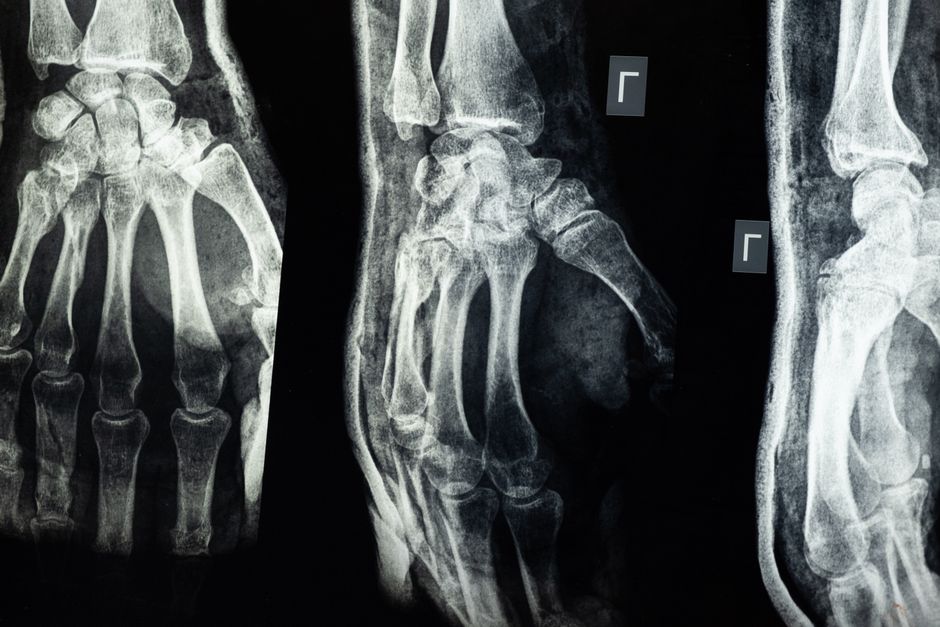
Low bone density happens when your body loses bone faster than it can replace it. This process speeds up as you age, but certain factors can make it happen much sooner. The main risk factors include getting older, having low hormone levels (especially estrogen in women and testosterone in men), not getting enough calcium and vitamin D, smoking, heavy alcohol use, and having a family history of osteoporosis. Some medical conditions and medications also play a big role. The good news is that many of these risks are things you can manage.
What Causes Low Bone Density Key Risk Factors to Develop in the First Place?
Your bones are living tissue that constantly breaks down and rebuilds. This process is called remodeling. Until about age 30, you build more bone than you lose. That is when you reach your peak bone mass. After that, bone loss slowly starts to outpace bone gain.
The speed of this loss depends on several things. Some are in your control. Some are not. Age is the biggest unavoidable factor. After age 50, bone loss speeds up significantly. For women, the drop in estrogen during menopause causes rapid bone loss for about 5 to 7 years. Men lose bone more slowly, but low testosterone can also be a cause.
Genetics matter a lot too. The National Institutes of Health reports that your bone density is 60 to 80 percent determined by your genes. If your mother or father had a hip fracture from a minor fall, your risk is higher. You cannot change your genes, but knowing your family history lets you take early action.
How Much Do Diet and Nutrition Actually Affect Bone Density?
Diet is a major factor, but not in the way most articles claim. Calcium is essential, but more is not always better. Your body can only absorb about 500 milligrams of calcium at one time. Taking a 1,000 mg supplement all at once is mostly wasted.
Vitamin D is just as important because your body cannot absorb calcium without it. Research published in the Journal of Bone and Mineral Research found that low vitamin D levels are linked to lower bone density even when calcium intake is adequate. Many adults in the US are deficient, especially in winter months or if they avoid sun exposure.
| Nutrient | Daily Recommended Intake (Adults 50+) | Best Food Sources |
|---|---|---|
| Calcium | 1,200 mg | Dairy, leafy greens, fortified foods |
| Vitamin D | 800 IU | Fatty fish, fortified milk, sunlight |
| Protein | 1.0-1.2 g per kg body weight | Meat, beans, nuts, eggs |
| Magnesium | 320-420 mg | Nuts, seeds, whole grains |
Protein is often overlooked. Some people worry that protein makes bones more acidic and causes calcium loss. The evidence does not support this. A 2017 review in Osteoporosis International found that higher protein intake is actually linked to better bone density, especially in older adults. Your bones need protein for their structure, not just minerals.
What Role Do Hormones Play in Bone Density Loss?
Hormones act as the main regulators of bone remodeling. Estrogen is the most important for women. It slows down the cells that break down bone, called osteoclasts. When estrogen drops sharply at menopause, those cells become more active. Bone loss can reach 2 to 3 percent per year during the first 5 years after menopause.
For men, testosterone helps maintain bone density. Low testosterone is linked to lower bone mass and higher fracture risk. But the decline in men is usually gradual, not sudden like in women. Thyroid hormone also matters. Both an overactive thyroid and taking too much thyroid medication can accelerate bone loss.
Parathyroid hormone has a complex role. When calcium levels in your blood drop too low, the parathyroid glands release more parathyroid hormone. This pulls calcium from your bones to keep your blood levels stable. Chronic low calcium intake forces this process to happen repeatedly, weakening bones over time.
Cortisol, the stress hormone, is another factor. Long-term high cortisol levels, whether from chronic stress or from taking corticosteroid medications, directly suppress bone formation. This is one of the most common medication-related causes of low bone density.





Which Medications and Medical Conditions Increase Risk?
Several prescription medications are known to reduce bone density. The most common are corticosteroids like prednisone. The American College of Rheumatology states that taking 5 mg or more of prednisone daily for three months or longer significantly increases fracture risk. This is called glucocorticoid-induced osteoporosis.
Other medications that can affect bone health include:
- Proton pump inhibitors (PPIs) for acid reflux, when used long-term
- Selective serotonin reuptake inhibitors (SSRIs) for depression
- Certain diabetes medications, especially thiazolidinediones
- Anticonvulsants used for epilepsy
- Chemotherapy drugs and aromatase inhibitors for breast cancer
Medical conditions that increase risk include rheumatoid arthritis, inflammatory bowel disease, celiac disease, chronic kidney disease, and type 1 diabetes. These conditions cause inflammation that affects bone remodeling or interfere with nutrient absorption. Celiac disease is often undiagnosed and can cause low bone density even without digestive symptoms. The Celiac Disease Foundation recommends bone density testing for anyone diagnosed with celiac disease, regardless of age.
What Lifestyle Habits Actually Matter for Bone Density?
Smoking is one of the strongest lifestyle risk factors. The chemicals in tobacco smoke directly damage bone cells and reduce estrogen levels. Studies have found that smokers have lower bone density and a 25 to 30 percent higher risk of hip fracture than nonsmokers. This effect is dose-dependent, meaning the more you smoke, the higher the risk.
Alcohol is more complicated. Heavy drinking, defined as more than two drinks per day for men or one for women, clearly harms bone health. Alcohol interferes with calcium absorption and hormone production. It also increases fall risk. But moderate drinking may have a neutral or even slightly protective effect in some studies. The safest advice is to stay within recommended limits or avoid alcohol entirely if you already have low bone density.
Physical activity matters, but not all exercise is equal. Walking is good for overall health but does little to build bone density. Weight-bearing and resistance exercises are what stimulate bone formation. Activities like jogging, jumping rope, stair climbing, and lifting weights put stress on bones that signals them to get stronger. The National Osteoporosis Foundation recommends 30 minutes of weight-bearing exercise most days plus strength training twice per week.
Body weight is another factor. Being underweight, especially with a BMI below 19, is a known risk factor for low bone density. Fat tissue produces some estrogen, which helps protect bones. But being overweight does not protect bones either, because it increases inflammation and can lead to other health problems. A healthy body weight is the goal.
Common Misconceptions About Bone Density Risk Factors
One widespread myth is that drinking milk prevents osteoporosis. Milk is a good source of calcium, but it is not a magic solution. Countries with the highest dairy consumption also have some of the highest hip fracture rates. This does not mean milk is bad. It means bone health depends on many factors, not just one food.
Another common claim is that calcium supplements can reverse bone loss. They cannot. Supplements can slow bone loss in people who are deficient, but they do not rebuild bone that is already gone. Some studies have even raised concerns about high-dose calcium supplements increasing the risk of kidney stones and possibly heart problems. Getting calcium from food is safer and more effective.
A third misconception is that only women need to worry about bone density. Men account for about 25 percent of all hip fractures, and they are more likely to die from complications after a fracture. Men are also less likely to get tested or treated. The International Osteoporosis Foundation reports that osteoporosis in men is underdiagnosed and undertreated worldwide.
Some people believe that taking a bone density test once is enough. Bone density changes slowly, but a single test only tells you where you stand right now. Follow-up testing every one to two years is recommended for people on treatment or with multiple risk factors. A one-time normal result does not guarantee future bone health.
Frequently Asked Questions
Can low bone density be reversed?
Bone density can be improved but not fully reversed to youthful levels. Medications and lifestyle changes can increase density by 1 to 5 percent per year.
Is low bone density the same as osteoporosis?
No. Low bone density, called osteopenia, is a milder condition. Osteoporosis is more severe and means bones are significantly thinner and more likely to break.
What is the best exercise for bone density?
Weight-bearing and resistance exercises like jogging, jumping, and lifting weights are most effective. Swimming and cycling do not build bone density.
At what age should I get a bone density test?
Women should start at age 65. Men at age 70. Earlier testing is recommended if you have risk factors like early menopause, smoking, or a family history of osteoporosis.
