
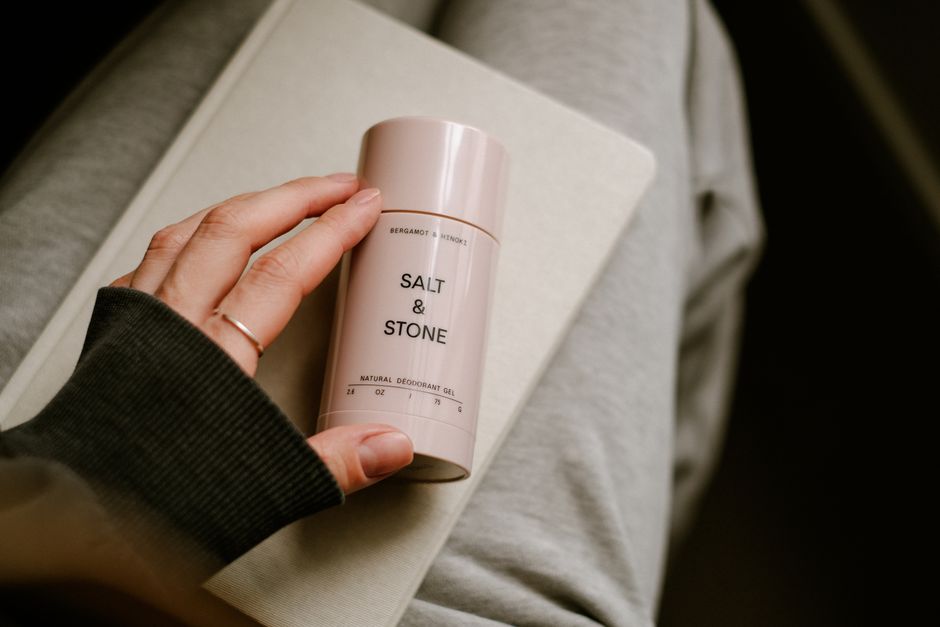
The short answer is no, deodorant is not bad for you in any proven, harmful way for most people. The real concern and confusion comes from antiperspirants, which are a different product that stops sweat. After looking at decades of research and public health data, the fear that deodorant causes cancer or other serious health problems is not supported by strong evidence. This article breaks down what the science actually says so you can make your own choice without the hype.
What Is the Difference Between Deodorant and Antiperspirant?
Most people use these words like they mean the same thing. They do not. Deodorant deals with smell. Antiperspirant deals with sweat. This distinction matters because most of the health concerns are actually about antiperspirants, not deodorants.
Deodorant works by killing the bacteria on your skin that cause odor when they break down sweat. It does not stop you from sweating. Antiperspirant uses aluminum-based compounds to physically block your sweat glands so sweat cannot reach the skin surface. The aluminum is what people worry about.
The FDA classifies antiperspirants as over-the-counter drugs because they change how your body works. Deodorants are classified as cosmetics. This regulatory difference alone tells you that antiperspirants are doing something more active inside your body than deodorants are.
Does Aluminum in Antiperspirant Cause Breast Cancer?
This is the most common question and the one with the most research behind it. The concern is that aluminum compounds can be absorbed through the skin near the breast tissue and mimic estrogen, which could promote cancer cell growth. It sounds logical, but the actual evidence does not support it.
The American Cancer Society and the National Cancer Institute both state that there is no strong evidence linking aluminum in antiperspirants to breast cancer. A 2014 review published in the Journal of the National Cancer Institute looked at all available studies and found no consistent link. Some smaller studies suggested a possible connection, but larger, better-designed studies did not confirm it.
One reason the theory persists is because breast cancer is more common in the upper outer quadrant of the breast, which is closest to the underarm. But researchers point out that this area also has the most breast tissue. The location alone does not prove antiperspirant is the cause.
The bottom line here is that if aluminum in antiperspirant caused breast cancer, we would expect to see a clear rise in cases matching the rise in product use. That pattern does not exist in the data.
Is Deodorant Bad For You If You Have Kidney Disease?
This is a different situation where the concern is more real, but only for a specific group of people. Your kidneys filter out excess aluminum from your blood. If your kidneys do not work well, aluminum can build up in your body.
For people with advanced chronic kidney disease, especially those on dialysis, some doctors recommend avoiding aluminum-based antiperspirants. The concern is that enough aluminum could be absorbed through the skin to add to the body’s total aluminum load. This is not a risk for healthy people with normal kidney function.
The National Kidney Foundation has noted this potential concern but does not issue a blanket warning. If you have kidney disease, it is worth asking your doctor. For everyone else, this is not a reason to avoid antiperspirant.
One clarification worth making here: deodorant without aluminum does not pose this same risk at all. The concern is entirely about antiperspirant compounds.





What Does Research on Parabens and Fragrance Show?
Parabens are preservatives used in many deodorants and other personal care products to prevent bacteria and mold growth. They have been studied because they can weakly mimic estrogen in the body. Some studies have found parabens in breast tissue samples, which raised concern.
But here is what the research actually shows. The amount of parabens absorbed from deodorant is very small compared to the amount your body gets from food and other sources. The FDA has stated that parabens are safe at the levels typically used in cosmetics. The European Commission has also reviewed the evidence and concluded they are safe.
Fragrance is a different story. The word “fragrance” on an ingredient list can hide dozens of chemicals that manufacturers do not have to disclose because they are considered trade secrets. Some of these chemicals can cause skin irritation or allergic reactions in sensitive people.
If you have sensitive skin or notice redness, itching, or a rash under your arms, fragrance is the most likely culprit. This is not a cancer risk. It is a skin sensitivity issue. Switching to a fragrance-free deodorant often solves the problem within a few days.
What About Natural Deodorants — Are They Actually Better?
Natural deodorants have become very popular. They typically use baking soda, coconut oil, shea butter, arrowroot powder, or essential oils instead of aluminum and synthetic chemicals. Many people report that switching to natural deodorant makes them feel better about what they put on their skin.
That feeling is valid, but there is no evidence that natural deodorants are healthier or safer than conventional ones for the general population. Both are safe. The main difference is effectiveness. Natural deodorants do not stop sweating. They only mask or neutralize odor. For some people this works fine. For others it does not last through a workday or a workout.
One common issue with natural deodorants is skin irritation from baking soda. Baking soda is alkaline, and your underarm skin has a slightly acidic pH. For some people this causes a red, itchy rash within a few days of use. If that happens, look for a natural deodorant that uses magnesium hydroxide or zinc instead of baking soda.
Another thing to know: essential oils in natural deodorants can also cause allergic reactions. Lavender and tea tree oil are common triggers. “Natural” does not automatically mean “gentle.”
| Ingredient | Found In | Known Concern | Evidence Level |
|---|---|---|---|
| Aluminum compounds | Antiperspirants | Possible cancer risk | Weak — large studies show no link |
| Parabens | Many deodorants | Hormone disruption | Low — safe at typical levels |
| Fragrance | Most deodorants | Skin irritation, allergies | Moderate — real but not dangerous |
| Baking soda | Natural deodorants | Skin irritation, rash | High — common and well-documented |
| Essential oils | Natural deodorants | Allergic reactions | Moderate — depends on individual |
What Are the Most Common Side Effects of Deodorant?
The most common side effects are skin problems. Contact dermatitis, which is a red, itchy, or bumpy rash, happens to about 10 to 20 percent of people who use deodorant or antiperspirant regularly. This is not a sign that the product is toxic. It is a sign that your skin does not like something in the formula.
Fragrance is the most common trigger. Propylene glycol, which is a humectant used in some deodorants, is another common cause. If you develop a rash, stop using the product and switch to a fragrance-free, hypoallergenic option. The rash usually clears up within a week.
Some people get small, painful bumps under their arms after shaving and applying deodorant. This is often a mild infection of the hair follicles called folliculitis. It is not caused by the deodorant itself. It happens because shaving creates tiny openings in the skin and bacteria get in. Keeping the area clean and using an antibacterial soap for a few days usually helps.
One side effect that gets a lot of attention online is yellow armpit stains on white shirts. This is real. The yellow color comes from a reaction between aluminum in antiperspirant and proteins in your sweat. It is not harmful. It is just annoying. Switching to a deodorant without aluminum will prevent new stains.
Frequently Asked Questions
Does deodorant cause cancer?
No major health organization, including the American Cancer Society and the National Cancer Institute, has found strong evidence that deodorant or antiperspirant causes cancer. The research does not support this claim.
Is aluminum-free deodorant safer than regular deodorant?
For people with healthy kidneys, aluminum-free deodorant is not proven to be safer. Both are safe. The choice comes down to personal preference and whether you want to stop sweating or just control odor.
Can deodorant cause kidney problems?
Not in people with normal kidney function. For those with advanced kidney disease, some doctors recommend avoiding aluminum-based antiperspirants as a precaution. Regular deodorant without aluminum is not a concern.
Why do natural deodorants irritate my skin?
Baking soda is the most common cause. It raises the pH of your underarm skin, which can cause a rash. Essential oils can also cause allergic reactions. Try a baking soda-free formula if irritation occurs.
