
Cuban food can be a healthy choice, but it depends entirely on what you order and how it is prepared. Traditional Cuban cooking relies on simple ingredients like black beans, rice, plantains, pork, and fresh citrus marinades, which offer real nutritional benefits. However, many classic dishes are also fried or loaded with salt and fat, turning a potentially healthy meal into a heavy one. The key is knowing which dishes support your health goals and which ones are best saved for an occasional treat.
What Makes Cuban Food Healthy at Its Core?
The foundation of Cuban cooking is surprisingly nutritious when you look at the individual ingredients. Black beans are a standout. The American Heart Association notes that beans are packed with soluble fiber, which helps lower cholesterol and keeps blood sugar stable. A single cup of cooked black beans provides about 15 grams of protein and 15 grams of fiber.
Rice and beans together form a complete protein, meaning you get all the essential amino acids your body needs without eating meat. This combination is a staple in Cuban cuisine and is genuinely good for you. Mojo marinade, made from sour orange juice, garlic, and oregano, is another healthy element. It adds flavor without heavy cream or butter, and garlic has compounds linked to immune support.
Plantains appear in many forms. Green plantains are starchy and rich in resistant starch, which acts like fiber and feeds good gut bacteria. Ripe plantains are sweeter and higher in sugar but still provide potassium and vitamin A. When baked or boiled, plantains are a solid choice. The problem starts when they are fried.
Which Cuban Dishes Should You Eat Regularly?
Some dishes are genuinely good for everyday eating. Black bean soup is one of the best options. It is low in fat, high in fiber, and filling. Most versions are vegetarian, though some add ham for flavor. Ask if the ham can be left out or go for a straight vegetarian version.
Grilled fish with mojo is another smart pick. Fish is a lean protein source, and the citrus marinade adds flavor without extra calories. Grilling keeps the fat content low. A 6-ounce serving of grilled fish with mojo provides about 30 grams of protein and under 10 grams of fat.
Yuca con mojo (boiled cassava with garlic sauce) is a root vegetable dish that is often overlooked. Yuca is a good source of vitamin C and resistant starch. The key is that it is boiled, not fried. The garlic sauce adds flavor without heavy cream. A half-cup serving contains about 120 calories and 2 grams of fiber.
Congri (rice and black beans cooked together) is a staple side dish. It provides fiber, protein, and complex carbohydrates. A cup of congri has roughly 200 calories, 8 grams of protein, and 6 grams of fiber. It is filling and nutrient-dense.
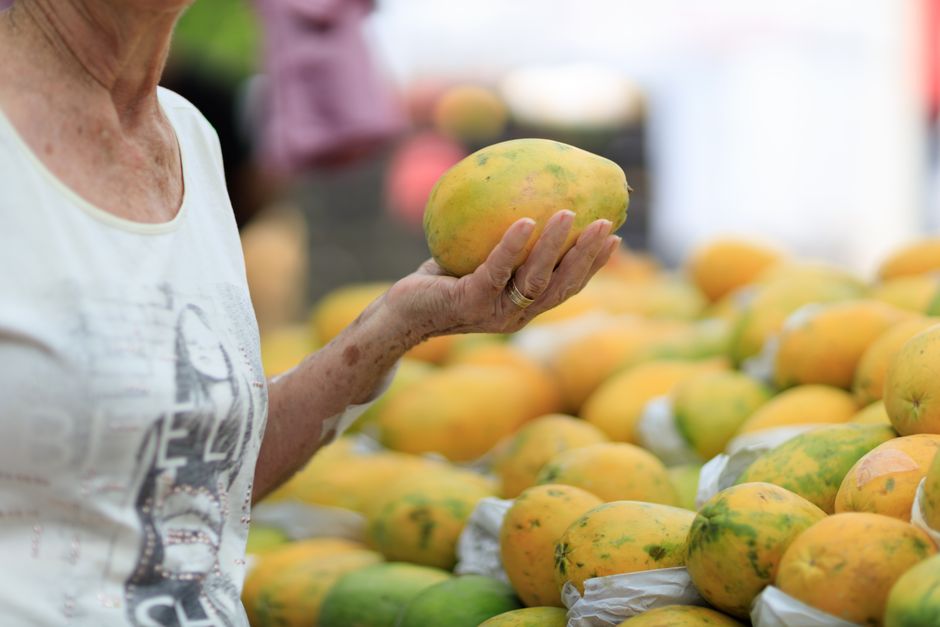
Fresh fruit is common in Cuban meals. Mango, papaya, and guava are naturally sweet and packed with vitamins. A cup of fresh mango provides 100 percent of your daily vitamin C needs. Skip the syrup-soaked versions often served as dessert.
Which Cuban Dishes Are Best Avoided or Limited?
Some classic Cuban dishes are heavy on fat, salt, and refined carbohydrates. Ropa vieja (shredded beef in tomato sauce) sounds healthy, but the beef is typically simmered in oil and served with a heavy sauce. A restaurant portion can contain 500 to 700 calories and over 20 grams of fat.
Lechon asado (roasted pork) is a centerpiece of Cuban celebrations. The pork itself is leaner than beef, but the skin is often crispy and fatty. A 6-ounce serving of roasted pork with skin can have 400 calories and 25 grams of fat. Remove the skin and the numbers drop significantly.
Fried plantains (tostones and maduros) are where a healthy ingredient goes wrong. Tostones are twice-fried green plantains. A single cup of tostones has around 250 calories and 12 grams of fat. Maduros (fried ripe plantains) are caramelized in oil and can pack 15 grams of sugar per serving. Both are fine as an occasional treat, not a daily side.
Pastelitos (Cuban pastries) are small pies filled with meat, cheese, or guava. They are made with puff pastry and are high in saturated fat and refined flour. One pastelito can contain 300 calories and 18 grams of fat. They offer little nutritional value.
Cuban sandwiches are a classic, but they are calorie bombs. Roasted pork, ham, Swiss cheese, pickles, mustard, and bread are pressed together. A standard Cuban sandwich has between 500 and 800 calories and 30 to 40 grams of fat. Most of that fat comes from the cheese and the pork. The bread is refined white bread with minimal fiber.



How Does Cooking Method Change the Health Profile?
Cooking method is the single biggest factor in whether a Cuban dish is healthy or not. Traditional Cuban cooking uses a lot of frying. Many dishes that start with healthy ingredients end up fried in lard or vegetable oil, which adds calories and unhealthy fats. Lard is high in saturated fat, which the Dietary Guidelines for Americans recommend limiting to less than 10 percent of daily calories.
Grilling and baking are common in Cuban kitchens and are the healthier choices. Grilled meats retain their protein without added fat. Baked plantains are a much better option than fried ones. A baked plantain has about 100 calories and less than 1 gram of fat, compared to 250 calories and 12 grams of fat for fried tostones.
Boiling and steaming are used for yuca, boniato (Cuban sweet potato), and malanga (taro root). These methods preserve the fiber and nutrients without adding fat. A boiled yuca serving has 120 calories and 2 grams of fiber. The same serving fried has over 300 calories and 15 grams of fat.
Mojo marinades are a smart choice because they rely on citrus and garlic rather than oil. Mojo is low in calories and adds antioxidants from garlic and vitamin C from citrus. A tablespoon of mojo has about 10 calories and almost no fat.
What Does the Research Say About Cuban Food and Health?
There is limited direct research on Cuban food as a cuisine and its health effects. Most of the evidence comes from looking at the individual ingredients and cooking methods. A study published in the Journal of Nutrition found that diets high in legumes like black beans are linked to lower rates of heart disease and type 2 diabetes. This supports the inclusion of beans and rice in a healthy diet.
Research from the American Journal of Clinical Nutrition shows that resistant starch, found in green plantains and yuca, improves insulin sensitivity and gut health. This means that properly prepared Cuban root vegetables can be beneficial for blood sugar control.
On the other hand, a study in Nutrients found that high consumption of fried foods is associated with a 28 percent higher risk of heart disease. This is relevant because many Cuban dishes are fried. The same study noted that replacing fried foods with baked or boiled versions lowered the risk significantly.
The CDC reports that Hispanic adults in the US have a 17 percent higher rate of obesity than non-Hispanic white adults. While this is influenced by many factors, traditional diets that shift toward more fried and processed foods contribute to the trend. Traditional Cuban diets were originally lower in fat and higher in fiber than modern versions.
How Can You Enjoy Cuban Food Without Overdoing It?
You do not need to avoid Cuban food entirely. A few simple swaps make a big difference. Order black bean soup as a starter instead of fried appetizers. It fills you up with fiber and protein before the main course.
Choose grilled or baked proteins over fried ones. Ask if the fish or chicken can be grilled instead of fried. Most Cuban restaurants will accommodate this request. Request sauce on the side for dishes like ropa vieja or picadillo. This lets you control how much goes on your plate.
Replace fried plantains with a side of boiled yuca or a fresh salad. Many restaurants offer a simple lettuce and tomato salad as a side option. Skip the Cuban sandwich and go for a plate of grilled pork with rice and beans instead. You get similar flavors with more fiber and less fat.
Watch your portion sizes. Cuban restaurant portions are often large. Split a main dish with someone or take half home for another meal. A typical serving of ropa vieja is enough for two people. Stick to one starch per meal. If you have rice, skip the plantains. If you want plantains, skip the rice.
Is Cuban Food Healthy Dishes To Eat And Avoid: A Quick Comparison
| Dish | Eat or Avoid | Why |
|---|---|---|
| Black bean soup | Eat regularly | High fiber, low fat, filling |
| Grilled fish with mojo | Eat regularly | Lean protein, healthy marinade |
| Boiled yuca con mojo | Eat regularly | Resistant starch, low calorie |
| Congri (rice and beans) | Eat regularly | Complete protein, fiber |
| Ropa vieja | Limit | High fat, high calorie |
| Lechon asado with skin | Limit | High saturated fat |
| Fried plantains | Occasional treat | High fat, refined carbs |
| Cuban sandwich | Occasional treat | High calorie, low fiber |
| Pastelitos | Avoid mostly | High saturated fat, low nutrients |
Common Misconceptions About Cuban Food
A common myth is that Cuban food is always heavy and unhealthy because of the pork and rice. This is not true. The traditional Cuban diet was built around beans, rice, root vegetables, and lean meats. The heavy versions you see in restaurants today are often Americanized or modernized with more oil, salt, and frying.
Another misconception is that all plantains are bad. Green plantains are low in sugar and high in resistant starch. The problem is the frying, not the plantain itself. Baked or boiled plantains are a healthy carbohydrate source. Ripe plantains are higher in sugar but still provide vitamins. The key is preparation, not the ingredient itself.
Some people think mojo marinade is unhealthy because it contains oil. Traditional mojo uses very little oil, mostly citrus juice and garlic. Restaurant versions may add more oil, but you can ask for it on the side. Mojo is one of the healthiest condiments in Cuban cooking.
Frequently Asked Questions
Is Cuban food high in sodium?
Many Cuban dishes are high in sodium due to the use of salt in marinades and cooking. You can ask for low-salt versions or limit dishes with heavy sauces.
Can I eat Cuban food on a low-carb diet?
You can eat grilled meats and vegetables but you will need to skip the rice, beans, and plantains. Black bean soup is lower in carbs than rice and beans.
Is Cuban food good for weight loss?
It can be if you choose grilled proteins, black bean soup, and boiled vegetables. Avoid fried items and large portions of rice and sandwiches.
What is the healthiest Cuban dessert?
Fresh fruit like mango or papaya is the healthiest option. Flan and rice pudding are high in sugar and should be occasional treats.
