
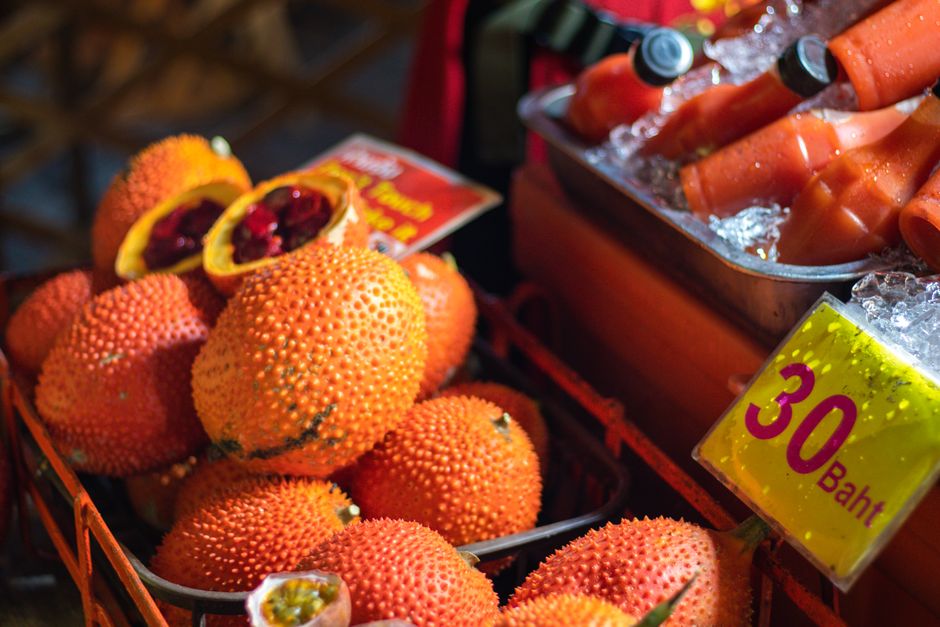
Thai food is one of the most popular cuisines in the US, and for good reason. The flavors are bold, fresh, and satisfying. But is it actually healthy? The honest answer is that it depends entirely on what you order and how it is prepared. Many traditional Thai dishes are packed with vegetables, lean proteins, and herbs that offer real health benefits. But some popular American-Thai dishes are loaded with sugar, sodium, and refined oils. This article breaks down what the evidence actually says so you can make informed choices.
What Makes Thai Food Healthy at Its Core?
Traditional Thai cooking relies on fresh ingredients that are genuinely good for you. Herbs like lemongrass, galangal, and kaffir lime leaves are not just for flavor. Research published in the Journal of Medicinal Food has found that lemongrass contains compounds with anti-inflammatory and antioxidant properties. Galangal, a relative of ginger, has been studied for its potential to reduce nausea and support digestion.
Vegetables are a major part of most Thai dishes. Cabbage, bok choy, bell peppers, and Thai basil show up regularly. These provide fiber, vitamins A and C, and various phytonutrients. The American Heart Association notes that a diet rich in vegetables from diverse cuisines can lower the risk of heart disease and certain cancers. Thai food also uses coconut milk, which contains medium-chain triglycerides (MCTs). Some studies suggest MCTs may slightly increase metabolism, though the effect is modest and not a weight loss solution.
Protein sources in Thai cuisine are often lean. Chicken, shrimp, tofu, and fish are common. These are grilled, steamed, or stir-fried quickly, which preserves nutrients better than deep frying. The balance of protein, vegetables, and healthy fats in a well-made Thai meal is closer to what nutritionists recommend than many other takeout options.
Where Thai Food Can Go Wrong for Your Health
The biggest problem with Thai food in many American restaurants is sugar. A single serving of Pad Thai can contain 30 to 40 grams of sugar. That is close to the American Heart Association’s recommended daily limit for added sugar in one meal. The sugar comes from tamarind paste, palm sugar, and sometimes plain white sugar added to the sauce. It is not a small amount.
Sodium is another concern. Fish sauce, soy sauce, and oyster sauce are staples in Thai cooking. These are all very high in salt. The CDC reports that about 90% of Americans consume too much sodium. One bowl of Tom Yum soup from a restaurant can easily contain over 1,000 milligrams of sodium, which is nearly half the daily recommended limit.
Fried dishes like spring rolls, crab rangoon, and crispy duck are common on Thai menus. These are typically deep-fried in palm oil or soybean oil, which adds calories and unhealthy trans fats. A single order of fried spring rolls can have over 200 calories and 10 grams of fat, most of it from the frying oil. The issue is not the food itself but how it is prepared.
Portion sizes at American Thai restaurants are also much larger than what is traditional in Thailand. A typical plate of Pad See Ew in the US is often double the portion served in Bangkok. That means double the calories, sugar, and sodium without you even noticing.
Is Thai Food Healthy Compared to Other Takeout Options?
Comparing Thai food to other popular cuisines helps put it in perspective. The table below shows approximate nutritional values for a typical entree from each cuisine. These are averages from restaurant data and may vary.
| Cuisine | Typical Entree Calories | Sugar (g) | Sodium (mg) | Vegetable Content |
|---|---|---|---|---|
| Thai (Pad Thai) | 600-800 | 30-40 | 1000-1500 | Moderate |
| Chinese (General Tso’s Chicken) | 700-1000 | 25-35 | 1500-2000 | Low |
| Italian (Fettuccine Alfredo) | 800-1200 | 5-10 | 1000-1500 | Low |
| Mexican (Chicken Burrito) | 900-1200 | 10-15 | 1500-2000 | Moderate |
| American (Cheeseburger and Fries) | 1000-1500 | 10-15 | 1500-2500 | Very Low |
Thai food tends to have more vegetables than Chinese or American fast food. But the sugar content in Pad Thai and similar dishes is notably high. If you compare a well-made Thai green curry with vegetables to a cheeseburger and fries, the Thai dish wins easily. But compared to a grilled chicken salad from anywhere, Thai food can be higher in calories and sugar.





How to Order Thai Food That Is Actually Healthy
You do not need to avoid Thai food to eat healthy. You just need to know what to look for. Start with the cooking method. Dishes that are steamed, grilled, or stir-fried in minimal oil are your best choices. Anything described as “crispy,” “battered,” or “deep-fried” should be an occasional treat, not a regular pick.
Choose soups and salads as your base. Tom Yum soup is a clear broth with shrimp, mushrooms, and herbs. It is low in calories and high in flavor. Som Tum (green papaya salad) is made with shredded papaya, tomatoes, green beans, and a lime dressing. It is naturally low in calories and packed with vegetables. Both are excellent starting points.
For your main dish, look for options that are not heavily sauced. Grilled chicken or beef with vegetables is a solid choice. Ask for brown rice instead of white rice when available. Brown rice has more fiber and keeps you full longer. The American Diabetes Association recommends choosing whole grains when possible to help manage blood sugar.
Here are practical tips for ordering:
- Ask for sauces on the side. You control how much goes on the food.
- Request steamed vegetables instead of fried rice or noodles.
- Skip the spring rolls and crab rangoon as appetizers.
- Order a broth-based soup like Tom Yum instead of a coconut-heavy soup like Tom Kha.
- Share a dish with someone else to cut portion size in half.
What About Coconut Milk and Peanuts in Thai Food?
Coconut milk gets a lot of attention in health circles. Some people claim it is a superfood. Others say it is too high in saturated fat. The truth is somewhere in between. Coconut milk is high in saturated fat. The American Heart Association recommends limiting saturated fat to about 13 grams per day on a 2,000-calorie diet. A single cup of coconut milk used in a curry can contain 40 to 50 grams of total fat, with most of it being saturated. That is more than three times the daily limit in one dish.
However, the type of saturated fat in coconut milk is mostly lauric acid. Some research suggests it raises HDL (good) cholesterol more than other saturated fats do. A 2018 review in Nutrition Reviews found that coconut oil consumption increased HDL cholesterol in some studies, but also raised LDL (bad) cholesterol. The net effect on heart disease risk is still unclear. If you have high cholesterol or heart disease risk, it is wise to use coconut milk sparingly.
Peanuts are common in Thai dishes like Pad Thai and satay. Peanuts are a good source of protein, healthy fats, and vitamin E. They are also calorie-dense. A quarter cup of peanuts has about 200 calories. If you are watching your weight, a handful is fine. Eating the whole serving of peanuts on top of a Pad Thai dish adds significant calories without much extra volume.
Common Misconceptions About Thai Food Health
One widespread myth is that all Thai food is healthy because it uses fresh herbs. The herbs are healthful, but they do not cancel out the sugar, salt, and oil in a dish. A plate of Drunken Noodles with its sweet soy sauce base is still high in sugar regardless of how much basil is on top.
Another misconception is that Thai food is automatically low in calories because it is Asian cuisine. This is not true. Many Thai dishes are calorie-dense because of the coconut milk, oil, and sugar. A single serving of Massaman Curry can have over 700 calories. The idea that Asian food is always light is a stereotype, not a fact.
Some people also believe that ordering “Thai spicy” makes a dish healthier because it burns more calories. Spicy food may slightly increase metabolism temporarily, but the effect is tiny. A study from Obesity Reviews found that capsaicin from chili peppers increased energy expenditure by about 50 calories per day on average. That is not enough to offset a high-calorie meal. The health benefit of spicy food is more about flavor without needing extra salt or sugar, not about calorie burning.
Is Thai Food Healthy for Weight Loss?
Thai food can fit into a weight loss plan, but you have to be selective. The key is to focus on dishes that are vegetable-heavy and avoid those that are fried or sugar-laden. Larb, a minced meat salad with lime and herbs, is an excellent choice. It is high in protein, low in calories, and full of flavor. A serving of Larb typically has around 200 to 300 calories.
Stir-fried vegetables with chicken or tofu in a light sauce is another good option. Ask for less oil in the cooking process. Most restaurants will accommodate this request. Skip the white rice entirely or ask for a half portion. The calories from rice alone can add 200 to 300 calories to a meal.
The evidence on meal timing also matters. Eating a heavy Thai meal late at night can disrupt sleep because of the fat and sugar content. The National Sleep Foundation notes that high-fat meals close to bedtime can interfere with sleep quality. If you are eating Thai food for dinner, try to eat it at least two to three hours before bed.
Frequently Asked Questions
Is Thai food healthy for weight loss?
Yes, if you choose vegetable-heavy dishes like Larb or Tom Yum soup and avoid fried items and sugary sauces. Portion control is essential.
Is Thai food high in sugar?
Many popular Thai dishes like Pad Thai and Drunken Noodles are high in added sugar from tamarind paste and palm sugar. Ask for sauces on the side to reduce sugar intake.
Is Thai food healthier than Chinese food?
Thai food typically has more vegetables and less deep frying than American-Chinese food, but both cuisines can be high in sodium and sugar depending on the dish.
Can I eat Thai food if I have high blood pressure?
You can, but you need to avoid dishes heavy in fish sauce and soy sauce. Request low-sodium preparation and choose broth-based soups over coconut-based ones.
