
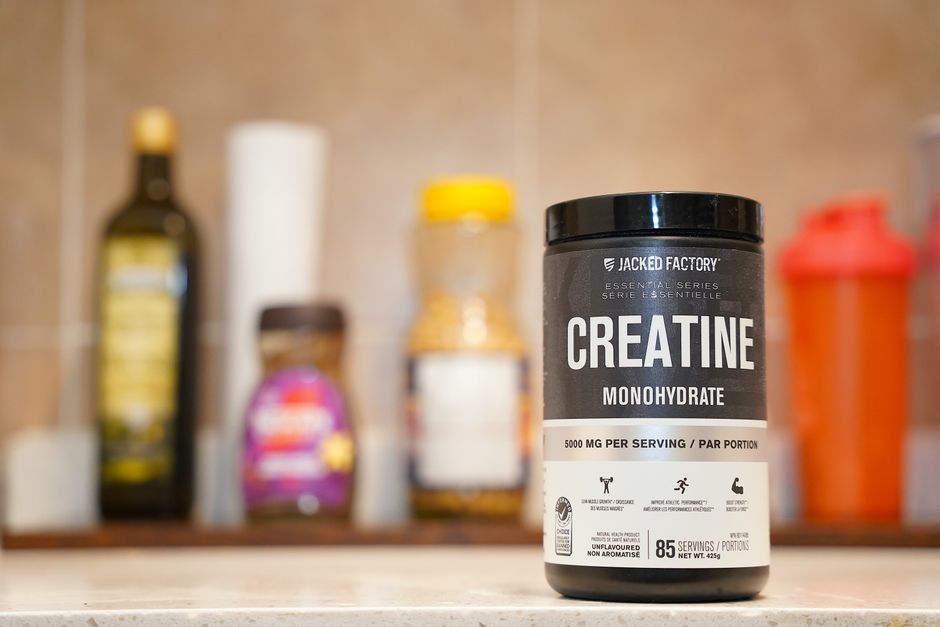
Creatine is one of the most studied supplements in sports nutrition, and it is also one of the most stable. Yes, creatine can go bad, but it does not happen the way most people think. It does not suddenly become toxic or dangerous. The real issue is that over time, and with exposure to moisture and heat, creatine breaks down into creatinine. When that happens, the powder loses its effectiveness. If your creatine has been stored properly and is dry, it will likely last well past its expiration date. If it has been exposed to humidity, heat, or contamination, it may be time to replace it.
What Makes Creatine Degrade?
Creatine is a molecule made of three amino acids: arginine, glycine, and methionine. In its supplement form, it is usually creatine monohydrate. The powder is stable when kept dry and cool. The biggest enemy of creatine is moisture.
When creatine comes into contact with water, it begins a chemical reaction that converts it into creatinine. Creatinine is a waste product that your body naturally produces and removes through the kidneys. It is not harmful in the amounts found in a degraded supplement, but it is completely useless as a performance aid. Creatinine does not increase muscle phosphocreatine stores, and it does not help with ATP regeneration.
Heat also speeds up this breakdown. The higher the temperature and the more humidity present, the faster creatine converts to creatinine. This is why storage matters more than the expiration date printed on the label.
How Long Does Creatine Actually Last?
Most manufacturers print an expiration date of two to three years from the date of production. That date assumes the product is stored in its original sealed container in a cool, dry place. If you open the tub and use it regularly, the clock moves faster.
Once opened, creatine is exposed to air and humidity every time you take the lid off. In a normal home environment, an opened container of creatine will remain effective for about one to two years. In a humid bathroom or a warm kitchen, that window shrinks significantly.
The most honest way to judge your creatine is not by the date on the jar. It is by how it looks, how it smells, and how it has been stored. If it looks and smells normal, it is almost certainly still fine.
How to Tell If Your Creatine Has Gone Bad
There are clear signs that creatine has degraded. The first is clumping. Creatine powder should be fine and free-flowing. If you see hard clumps or a solidified mass, moisture has gotten in. That moisture has already started the conversion to creatinine.
The second sign is smell. Fresh creatine monohydrate has almost no odor. It is essentially neutral. If your creatine smells fishy, sour, or ammonia-like, it has broken down. The ammonia smell is a strong indicator that the molecule has degraded significantly.
The third sign is a change in texture when you mix it. Creatine monohydrate does not dissolve completely in water. It settles at the bottom of a glass. That is normal. But if the powder turns into a thick paste or refuses to mix at all, that points to moisture damage.
If you see mold, discoloration, or any signs of organic growth, throw it out immediately. That is not a creatine problem. That is a contamination problem, and it is not safe to consume.

Does Expired Creatine Become Dangerous?
No. Expired creatine does not become toxic. The breakdown product, creatinine, is a normal waste product that your kidneys filter out constantly. Consuming degraded creatine is not a safety concern for healthy people. The concern is purely about effectiveness.
What you need to watch for is not the creatine itself but what might be growing in the container. If moisture gets in and the powder sits for months, bacteria and mold can grow. That is a genuine health risk. If you see any signs of microbial growth, do not consume it.
For people with pre-existing kidney conditions, the situation is slightly different. If you have kidney disease or reduced kidney function, you should not be taking creatine without medical supervision at all. That advice applies regardless of whether the creatine is fresh or expired.
How to Store Creatine So It Lasts
Storage is simple. Keep creatine in its original container with the lid tightly sealed. Store it in a cool, dry place away from direct sunlight. A pantry or a bedroom closet works well. A bathroom cabinet does not, because showers create humidity.
Do not store creatine in the refrigerator. Condensation forms when you take a cold container into a warm room, and that moisture will ruin the powder. Do not scoop creatine with a wet spoon. If even a few drops of water get into the tub, they can start the degradation process.
If you live in a very humid climate, consider buying smaller containers so the powder is exposed to air for less time. Some people transfer creatine to an airtight glass jar. That works, but only if the jar is completely dry and sealed properly.
Does Liquid Creatine Go Bad Faster?
Yes, and this is where the marketing noise gets loud. Liquid creatine drinks and ready-to-drink creatine products have a fundamental problem. In liquid form, creatine is not stable. It begins converting to creatinine almost immediately.
Manufacturers have tried to solve this with buffered creatine or creatine salts, but the evidence that these forms are stable in liquid is limited. Some research suggests that even in commercial liquid products, a significant portion of the creatine has degraded by the time the product reaches the consumer.
This is why the vast majority of sports nutrition experts recommend creatine monohydrate powder. It is the most studied form, the most stable form, and the most cost-effective form. Liquid creatine products are convenient, but you may be paying for a product that has already lost much of its potency before you open it.
What About Creatine Capsules and Gummies?
Creatine capsules are generally stable because the powder inside is sealed from moisture. They last about as long as powder, assuming the capsules themselves do not break or soften. If capsules become soft, sticky, or discolored, the gelatin shell is degrading, and moisture has likely reached the creatine inside.
Creatine gummies are a different story. Gummies contain water by design. That means the creatine in them is already degrading. The manufacturers add stabilizers and adjust the pH to slow this down, but the fundamental problem remains. A gummy cannot hold creatine in its stable form indefinitely.
If you use gummies, treat them like perishable food. Check the expiration date carefully and consume them well before it. If the gummies become hard, chewy in an unusual way, or develop an off taste, replace them.
Can You Use Creatine Past the Expiration Date?
In most cases, yes. If the powder looks normal, smells normal, and has been stored properly, it is almost certainly still effective even if the date on the label has passed. The expiration date on creatine is conservative. Manufacturers cannot guarantee stability beyond that date, but that does not mean the product fails on day one after the date.
The more important question is whether you want to rely on a product that has been sitting in your pantry for years. Creatine is inexpensive. A month’s supply costs less than a meal at a restaurant. If you have any doubt about the quality of your creatine, the simplest solution is to buy a fresh container.
There is no evidence that consuming creatine past its expiration date causes harm. The only real risk is that it no longer works, and you are wasting your time and effort taking it.
Does Creatine Expire Faster Once Mixed in Water?
Yes. Once creatine powder is mixed into water, the clock runs fast. The creatine begins converting to creatinine immediately. This is why you should drink your creatine shortly after mixing it. Do not mix a big jug of creatine water in the morning and sip it all day. By the end of the day, a meaningful portion of the creatine has degraded.
This is also why you should not mix creatine into hot liquids. Heat accelerates the breakdown. Coffee, tea, and hot oatmeal all speed up the conversion. If you want to mix creatine into a warm beverage, let the beverage cool first. Cold or room temperature water, juice, or a protein shake are all fine choices.
Frequently Asked Questions
Can creatine go bad if it is stored properly?
Yes, but slowly. Even in ideal conditions, creatine gradually converts to creatinine over several years. Properly stored creatine will typically remain effective for two to three years from the manufacturing date.
Is it safe to take creatine that expired a year ago?
For healthy people, yes. Expired creatine is not toxic, but it may have lost potency. If the powder looks and smells normal, it is safe to consume, though it may be less effective.
Why does my creatine smell like fish or ammonia?
That smell means the creatine has degraded into creatinine. Ammonia is a breakdown byproduct. The creatine is no longer effective and should be replaced.
Can I still use clumpy creatine?
You can, but the clumps indicate moisture exposure, which means some creatine has already converted to creatinine. The product is safe but less potent. If there are hard clumps, break them up and use the powder soon.
