
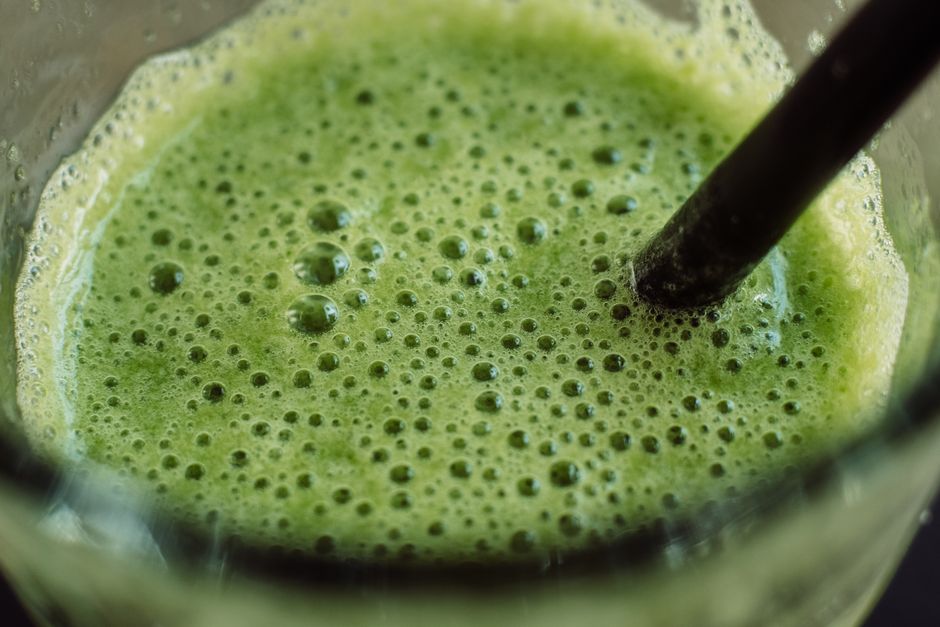
Cold foam sits on top of your iced coffee like a fluffy cloud. It looks indulgent. It tastes sweet and creamy. But many people wonder if that daily topping is quietly undermining their health goals. The short answer is that cold foam is not inherently bad for you, but it is a sweetened dairy product that adds calories, sugar, and saturated fat to your drink. The real issue is portion size and frequency, not the foam itself.
What Exactly Is Cold Foam Made Of?
Cold foam starts as milk. Baristas whip nonfat milk with air until it becomes a thick, velvety foam. The key difference from steamed milk foam is temperature — cold foam never gets heated, which changes its texture and how it holds its shape.
Most coffee chains use nonfat milk as the base because it foams well and keeps the drink lighter. But the flavor does not come from the milk alone. Nearly every commercial cold foam recipe includes a sweetener. At major chains, that is typically a vanilla syrup or a proprietary sweet cream blend.
Some shops use heavy cream or half-and-half to make a richer version. That version is significantly higher in fat and calories than the standard nonfat foam. If you order cold foam without asking about the base, you are likely getting the sweetened nonfat version.
Is Cold Foam Bad For You The Nutrition Breakdown
A standard serving of cold foam is about two to four tablespoons. That sounds small. But the numbers add up quickly when you look at the full picture.
A typical sweetened cold foam topping contains roughly 50 to 100 calories. It also adds about 10 to 20 grams of sugar, depending on the recipe and the chain. For comparison, the American Heart Association recommends no more than 36 grams of added sugar per day for men and 25 grams for women. One cold foam topping can consume most of that allowance before you even take a sip of the coffee itself.
The fat content depends entirely on the milk used. Nonfat cold foam has minimal fat. Heavy cream versions can add 10 to 15 grams of saturated fat per serving. That is a substantial portion of the daily recommended limit of about 20 grams for a 2,000-calorie diet.
The protein content is modest. A nonfat milk foam gives you about 2 to 3 grams of protein. That is not enough to meaningfully affect satiety or muscle maintenance.
How Cold Foam Compares to Other Coffee Add-Ins
Understanding where cold foam sits in the spectrum of coffee toppings helps put it in perspective.
| Coffee Add-In | Approximate Calories | Approximate Sugar | Main Nutritional Concern |
|---|---|---|---|
| Black coffee | 0 | 0 | None |
| Splash of whole milk | 15-20 | 1-2g | Minimal |
| Sweetened cold foam | 50-100 | 10-20g | Added sugar |
| Whipped cream | 50-80 | 5-8g | Saturated fat |
| Flavored syrup (pump) | 20-40 | 5-10g | Added sugar |
Cold foam is not the worst option on the menu. A caramel drizzle or a flavored syrup pump can add similar or greater amounts of sugar. But cold foam is easy to overlook because it seems like a small detail. That is exactly why it causes trouble — people do not count it.




What Happens to Your Blood Sugar When You Drink Cold Foam
The sugar in cold foam enters your bloodstream quickly. Liquid sugars digest faster than sugars locked inside solid food. Within about 30 to 60 minutes, your blood glucose rises and your pancreas releases insulin to bring it back down.
This is not dangerous for a healthy person who drinks one sweetened coffee occasionally. The body handles it fine. But for people with insulin resistance, prediabetes, or type 2 diabetes, the rapid glucose spike is a genuine concern. Even for healthy people, repeated daily spikes contribute to metabolic strain over time.
The fat in cold foam can slow the sugar absorption slightly. A heavy cream version will not spike blood sugar as quickly as a nonfat version. But the fat does not cancel out the sugar. It just delays it.
One non-obvious point: the sweetness of cold foam can train your palate to expect sweeter coffee. Over time, plain coffee starts to taste bitter and unappealing. This is a behavioral effect, not a metabolic one, but it matters for long-term habits.
Does Cold Foam Affect Digestion or Lactose Intolerance
Cold foam is a dairy product. If you are lactose intolerant, it can cause bloating, gas, and stomach discomfort. The amount of lactose in a few tablespoons of nonfat milk is small, but it may still trigger symptoms in sensitive individuals.
Some people tolerate cold foam better than warm milk. The texture and temperature do not actually change the lactose content. That is a myth. The lactose molecule is identical whether the milk is hot or cold. If you react to milk, you will likely react to cold foam.
There is one interesting detail. Cold foam is aerated, meaning it contains trapped air bubbles. For some people, swallowing aerated foam can cause belching or mild bloating simply because of the swallowed air. This is temporary and harmless, but it can be uncomfortable.
Are There Healthier Versions of Cold Foam
You can make cold foam at home with full control over the ingredients. The basic recipe requires only cold milk and a frother. A handheld milk frother costs about ten to fifteen dollars and produces the same texture as commercial cold foam.
To reduce sugar, skip the syrup entirely. A dash of cinnamon or vanilla extract adds flavor without calories. For a richer texture without heavy cream, use whole milk or a splash of unsweetened oat milk. Oat milk foams reasonably well but contains more carbohydrates than dairy milk.
If you order cold foam at a coffee shop, ask what is in it. Many baristas will tell you the base and whether it is sweetened. You can request unsweetened cold foam at some chains, though not all offer it. You can also ask for foam on the side so you control how much goes into your drink.
No clinical guidelines exist specifically for cold foam consumption. But general dietary guidance applies: added sugar should be limited, and dairy fat should be consumed in moderation. A reasonable approach is to treat cold foam as an occasional treat rather than a daily habit.
What About Plant-Based Cold Foam Options
Plant-based cold foam is becoming more common. Oat milk and coconut milk are the most frequent bases. These are not automatically healthier than dairy versions.
Oat milk contains more carbohydrates than dairy milk and often has added sugar in commercial formulations. Coconut milk is higher in saturated fat than nonfat dairy milk. Neither provides the protein content of dairy milk.
If you choose plant-based cold foam for taste or dietary preference, that is fine. If you choose it because you assume it is healthier, check the nutrition information first. Some plant-based foams contain as much sugar as the dairy versions.
How Often Can You Drink Cold Foam Without Worry
There is no universal safe frequency. It depends on your overall diet, activity level, metabolic health, and what else you eat and drink that day.
A practical guideline is to count cold foam as part of your daily added sugar budget. If you drink one sweetened coffee with cold foam, you have likely used up most or all of your recommended added sugar for the day. That means the rest of your day should be relatively sugar-free.
For people managing diabetes or prediabetes, the safest approach is to choose unsweetened foam or skip it entirely. The sugar content is simply too high to fit comfortably into most diabetes meal plans.
For healthy, active individuals, occasional cold foam — a few times per week rather than daily — is unlikely to cause measurable harm. The issue is not the foam itself. The issue is that it becomes a default habit that adds unnecessary sugar to every single day.
Frequently Asked Questions
Is cold foam healthier than whipped cream?
Cold foam is generally lower in calories and saturated fat than whipped cream when made with nonfat milk. But sweetened cold foam often contains more sugar than whipped cream, so neither is clearly healthier.
Does cold foam have more sugar than regular milk foam?
Cold foam and steamed milk foam have similar sugar content when made from the same milk. The difference is that cold foam is usually sweetened with syrup, while steamed milk foam typically is not.
Can I get unsweetened cold foam at coffee shops?
Some coffee chains offer unsweetened cold foam upon request, but many do not. Ask the barista what the foam is made from and whether it contains added sugar before ordering.
Is cold foam bad for weight loss?
Cold foam adds 50 to 100 calories to your drink, and those calories are mostly sugar with little protein or fiber. If you are tracking calories for weight loss, cold foam can slow progress unless you account for it in your daily total.
